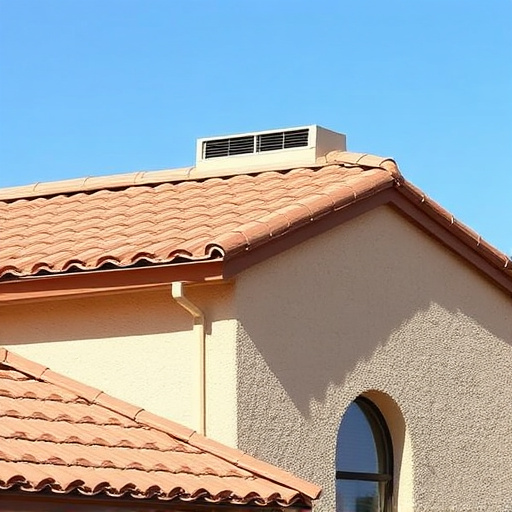
In the scorching desert heat, a well-ventilated home is not just a comfort-it's a necessity. Proper attic ventilation plays a crucial role in maintaining optimal indoor air quality, preventing costly damage from excessive moisture, and ensuring your home's structural integrity. However, many homeowners overlook the signs of poor ventilation-like rising energy bills, musty odors, and uncomfortable upstairs rooms-until problems arise. This guide, tailored to the unique challenges of desert heat, explores the importance of ventilation upgrades during a roof replacement, addressing everything from ridge versus off-ridge vents to the role of radiant barriers in keeping your attic cool. By the end, you'll understand how these upgrades can enhance your home's comfort, health, and value.
- Planning Ventilation Upgrades for Desert Heat
- Removing Old Systems: Safety First
- Selecting Efficient, Natural Ventilation Solutions
- Integrating Radiant Barriers for Optimal Cooling
Planning Ventilation Upgrades for Desert Heat
Planning Ventilation Upgrades for Desert Heat
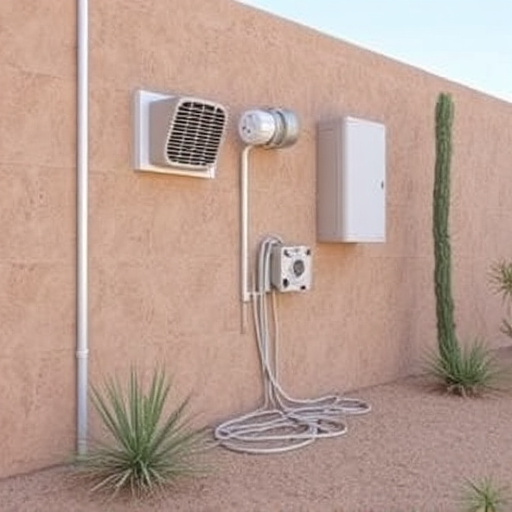
In the rugged, sun-drenched Catalina Foothills and Rancho Vistoso, maintaining a comfortable home during the desert heat requires strategic ventilation solutions. When considering a roof replacement, upgrading ventilation is not just an option; it's an investment in your home's health and energy efficiency. A roofer with an Arizona ROC license can guide you through this process, ensuring your attic and entire home stay cool, dry, and well-ventilated.
The first step is identifying the current ventilation setup. Signs of poor ventilation, like elevated cooling costs, excessive moisture buildup, or even mold growth, can signal the need for an upgrade. Unlike traditional ridge vents, which are effective in many climates, off-ridge vents are often recommended in desert regions to encourage a continuous flow of fresh air through the attic. For homes with concrete tile roofs, venting beneath these surfaces requires specialized techniques to avoid leaks. Solar attic fans, for instance, can supplement natural ventilation, expelling hot air and replacing it with cool outdoor air.
When balancing intake and exhaust vents, consider the unique challenges of the desert environment. Soffit vents on stucco homes, for example, can efficiently draw in cool, dry air, while strategically placed exhaust fans in bathrooms and kitchens aid in removing humid air. In hot, monsoon-prone areas like these, radiant barriers on the roof can further enhance cooling efficiency by reflecting heat away from the home. While whole house fans and vaulted ceiling ventilation offer powerful alternatives to air conditioning, they must be carefully designed and installed to ensure proper intake and exhaust. By focusing on these ventilation upgrades, homeowners can not only enjoy a more comfortable living space but also extend the life of their roofs and underlayments, saving on costly cooling bills.
Removing Old Systems: Safety First
When replacing your roof, proper ventilation removal is crucial for a successful and safe upgrade. Before any new system installation, a licensed Oro Valley area roofing contractor will assess the existing ventilation, especially when dealing with stucco homes. This process involves a thorough inspection to identify the old ventilation components, many of which may be outdated or non-compliant with current energy efficiency standards.
In desert climates, like ours, ventilation removal goes beyond simply taking down old vents. It's about understanding the unique challenges posed by the heat and humidity, especially during the monsoon season. Removing old ridge vents or off-ridge vents may reveal issues with underlayment integrity, which is critical for moisture control. Experts will look for signs of mold growth, common in attics with poor air circulation, as this can impact both indoor air quality and your health, particularly for allergy sufferers.
Safety is paramount, and removing old ventilation systems can be tricky, especially when dealing with concrete tile roofs. Professional contractors are trained to handle these tasks, ensuring that the old ventilation is not only taken out but also replaced with modern, efficient solutions. This may include installing solar attic fans, which can significantly reduce cooling costs and improve overall attic air quality. They'll address any issues with soffit vents on stucco homes, ensuring proper intake and exhaust balancing. By incorporating radiant barriers, a contractor can further enhance energy efficiency and prevent your attic from overheating, a common problem in our desert heat.
Selecting Efficient, Natural Ventilation Solutions
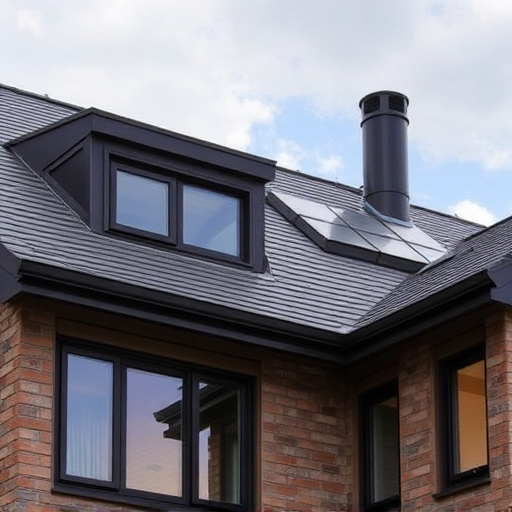
When upgrading your ventilation system during a roof replacement, consider natural, efficient solutions that can significantly improve indoor air quality and comfort, especially in the desert heat. A well-designed ventilation system not only reduces energy costs but also prevents issues like mold growth, which can be exacerbated by monsoon humidity. One effective strategy is incorporating radiant barriers, which reflect heat and keep your attic cooler, thereby reducing the load on your air conditioning system.
For homes with flat roofs or stucco exteriors, low-profile tile vents are a popular and discreet option. These vents are designed to blend in with the roofing material, ensuring both functionality and aesthetic appeal. To traditional ridge and soffit vents, these vents can provide balanced intake and exhaust, enhancing overall attic ventilation. Installers, like an experienced Oro Valley roof specialist, can help select the right size and placement for optimal performance.
Another consideration is the integration of whole-house fans, which can replace or augment traditional HVAC systems. These fans draw cool air from the outside and distribute it throughout your home, offering a cost-effective and energy-efficient cooling solution. This approach is particularly beneficial for upstairs rooms, which often suffer from poor natural circulation. Combining these fans with soffit vents on stucco homes or flat roof ventilation can create a powerful cross-breeze, further improving air circulation and reducing the need for artificial cooling.
Integrating Radiant Barriers for Optimal Cooling
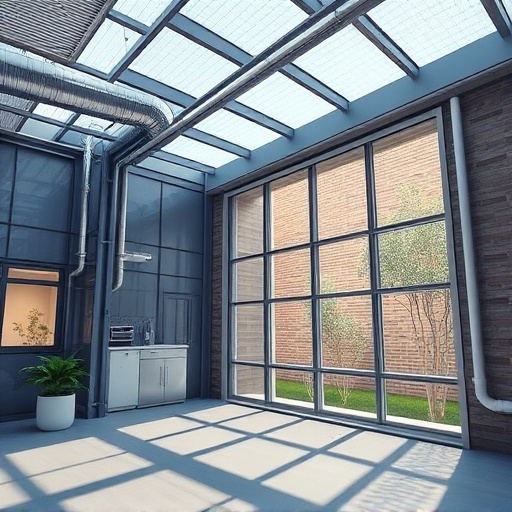
When replacing your roof in Sun City Oro Valley, integrating radiant barriers can be a major improvement for your home's cooling efficiency. These reflective materials, often installed under the roofing material, play a crucial role in managing desert heat and preventing your attic from overheating. By reflecting radiant heat, they help maintain a comfortable indoor temperature, reducing the load on your HVAC system and potentially lowering cooling bills.
A roofing contractor serving Oro Valley and Marana can assist in strategically placing radiant barriers, especially under flat roofs, where heat absorption is more significant. In such cases, low-profile tile vents can be installed alongside the barriers to facilitate proper ventilation. This dual approach ensures that hot air escapes effectively while keeping dust, pests, and birds out using fine mesh screens. Unlike traditional ridge or soffit vents, this method focuses on preventing heat gain rather than solely on air circulation.
Consider the following: in the monsoon season, when humidity adds to the desert heat, properly installed radiant barriers can significantly reduce the risk of attic mold growth. By keeping the attic cooler, you promote better air quality and extend the life of your roofing underlayment. When reroofing a home with no attic space, radiant barriers can be vented to the exterior, allowing for passive cooling without the need for powered ventilation systems. This not only reduces energy consumption but also ensures your home stays comfortable, even in the intense desert heat.
Frequently Asked Questions About a Guide to Ventilation Upgrades During a Roof Replacement
What is the purpose of ventilation upgrades during a roof replacement?
Ventilation upgrades play a crucial role in modern roofing projects. They ensure proper air circulation under the new roof, which helps to: (1) prevent moisture buildup, (2) reduce heat and humidity, and (3) mitigate the risk of mold and mildew growth. By installing adequate ventilation, you're not just enhancing your home's energy efficiency but also prolonging the lifespan of your roof.
How do I know if my roof needs better ventilation?
Look for signs of excessive moisture, mold, or musty odors, especially in the attic or upper levels of your home. Roofs that lack proper ventilation often experience rapid deterioration of shingles, which can lead to leaks and more serious structural damage. If you suspect a problem, consult with a professional roofing contractor to assess your current ventilation system.
What types of ventilation systems are available?
The most common types include: (1) Soffit ventilation: Installing vents in the soffit, or the board under the roof overhang, allows cold air to enter and escape, facilitating air flow; (2) Rooftop vents: These are located on the roof's surface and help expel hot air, promoting a constant flow of fresh air; and (3) Ridger vents: Running along the peak of the roof, these vents create a continuous path for air to circulate, even when windows or doors are closed.
How do I choose the best ventilation system for my roof?
The best system depends on your roof's size, shape, and climate. A licensed roofing contractor can help you determine the most suitable option. Consider factors like: (1) local weather patterns, (2) the direction your roof faces, (3) the type of roofing material used, and (4) your home's overall energy efficiency goals.
Can ventilating my roof save me money on energy bills?
Absolutely. Proper ventilation can significantly reduce energy costs. By controlling the temperature and humidity levels in your attic, you can lower the workload on your air conditioning system. Improved ventilation can extend the life of your roof, reducing the need for costly repairs or premature replacements.
Who should install a new ventilation system?
Always hire a licensed and experienced roofing contractor for such work. They have the necessary tools, knowledge, and safety training to install a ventilation system correctly. A professional job ensures your new ventilation system functions optimally, providing the best protection for your home.
As you plan a roof replacement, prioritizing ventilation upgrades is crucial, especially in the desert heat. By removing old systems, selecting efficient natural solutions like ridge or soffit vents, and integrating radiant barriers, you can achieve optimal cooling and energy efficiency. These steps not only enhance your home's comfort but also extend the lifespan of your roof and underlayment. Taking proactive measures against poor ventilation, such as keeping rain out of vents and maintaining a balanced intake and exhaust system, is key to preventing attic mold and ensuring a healthy indoor environment. Consider whole house fans and swamp coolers as cost-effective alternatives to traditional HVAC systems. With these strategies, you can revolutionize your home's ventilation, reduce cooling bills, and contribute to a more sustainable and comfortable living space.
When replacing your roof in Oro Valley, proper ventilation is key. A licensed contractor assesses current systems, focusing on unique desert challenges. This includes removing outdated vents, addressing underlayment integrity, and checking for mold. Radiant barriers are strategically installed to reflect heat and enhance energy efficiency. For stucco homes, low-profile tile vents provide discreet, effective ventilation. Whole-house fans, combined with soffit vents, offer an energy-efficient cooling alternative. In the monsoon season, these measures protect against heat gain, mold, and improved indoor air quality.