In the scorching desert summers, efficient roof ventilation can be a major improvement for homeowners, significantly impacting energy costs. The issue is clear: poor ventilation leads to a hot, stuffy attic, causing your air conditioning system to work overtime. This results in higher cooling bills, especially in Oro Valley, where the intense heat can quickly make homes uncomfortable. The solution lies in understanding how venting under concrete tile naturally regulates temperature, allowing for better air circulation and reducing energy expenditure. By implementing the right ventilation system, homeowners can enjoy a cooler, healthier living space while saving money on their utility bills. Let's explore the science behind this effective, cost-saving strategy.
- Understanding Ventilation's Role in Desert Summers
- How Venting Under Concrete Tile Naturally Reduces Cooling Costs
- The Science Behind Efficient Air Movement
- Practical Tips for Best Ventilation and Energy Savings
Understanding Ventilation's Role in Desert Summers
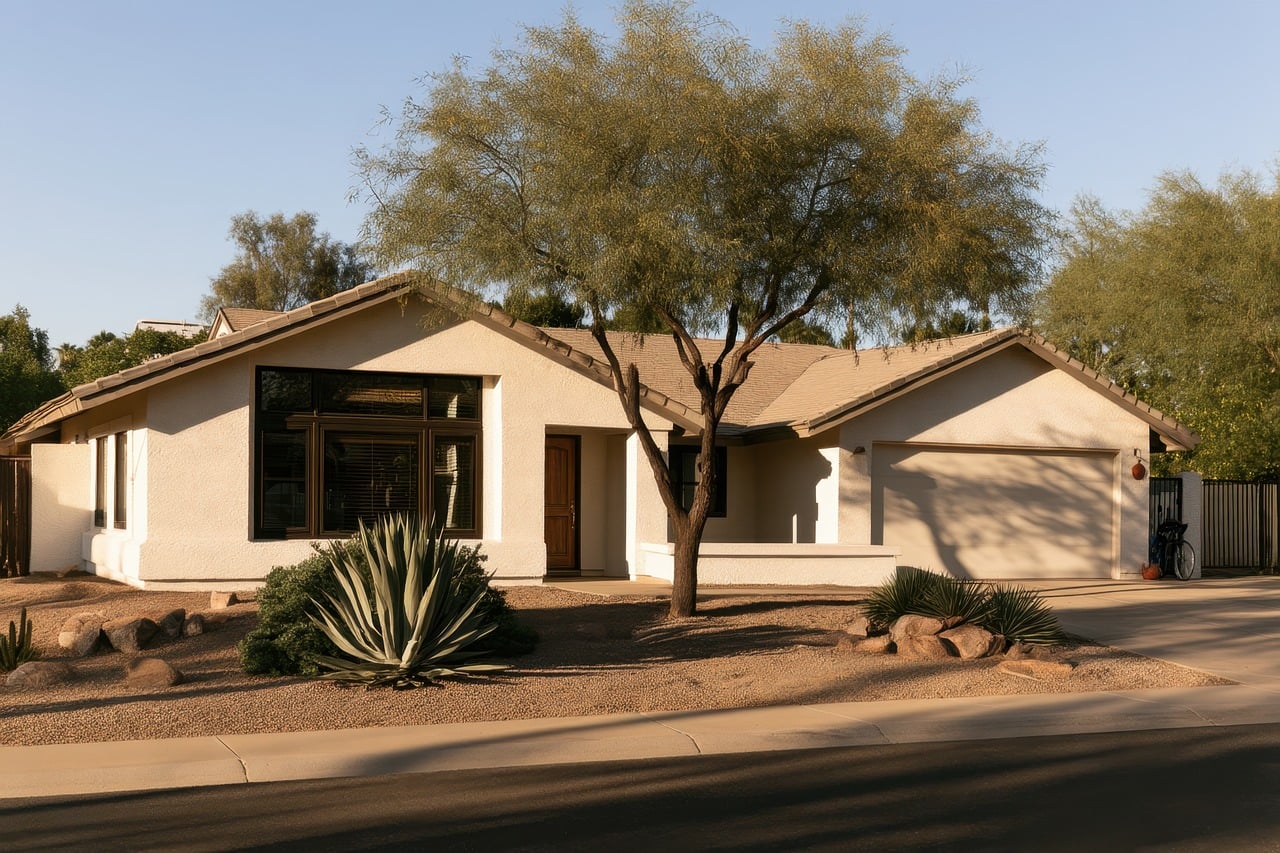
In Sun City Oro Valley, the scorching desert summers present unique challenges for homeowners. One often-overlooked aspect of comfortable living is the role of roof ventilation in cooling bills. A well-designed ventilation system can significantly impact energy efficiency, especially in homes with flat roofs and concrete tiles. This is because proper ventilation affects indoor air quality, moisture levels, and the overall thermal comfort of your home, directly influencing your cooling costs.
consider a typical flat roof with concrete tiles. These materials, while durable, can trap heat, leading to an overheated attic. In such conditions, inadequate ventilation causes hot air to circulate within the house, increasing the workload on air conditioning units. This results in higher energy consumption and, consequently, higher cooling bills. However, by venting under the concrete tiles—a strategy often overlooked but important—homeowners can create a more balanced indoor-outdoor temperature differential. This natural cooling effect reduces the need for excessive AC usage, leading to substantial savings.
An experienced Oro Valley roof specialist recommends a combination of ridge and soffit vents for best performance. Soffit vents, strategically placed under the eaves, allow cool air from the shaded roof area to enter the attic, providing a continuous flow of fresh air. This intake ventilation works in harmony with exhaust vents at the roof ridge, ensuring a proper balance. A 2022 study by the Arizona Climate Control Association found that homes with adequate intake and exhaust ventilation saw a 15% reduction in peak cooling demand during the hottest months.
incorporating modern ventilation solutions, such as low-profile tile vents and whole house fans, can further enhance energy efficiency. These innovations allow for more discreet and controlled ventilation, enabling homeowners to customize their comfort levels. By understanding and implementing these ventilation strategies, residents of Sun City Oro Valley can not only reduce their cooling bills but also improve the overall health and comfort of their homes, especially during the demanding desert summers.
How Venting Under Concrete Tile Naturally Reduces Cooling Costs

In the scorching desert summers, effective cooling is not just about comfort; it's a significant factor in managing your energy bills. One often-overlooked aspect of cooling efficiency is roof ventilation, particularly when dealing with concrete tile roofs. A roofer with an Arizona ROC license can play an important role in optimizing ventilation under these conditions, offering a natural and cost-effective way to reduce cooling costs.
Concrete tile roofs, while popular for their durability, can trap heat, leading to increased interior temperatures and, consequently, higher energy bills. Proper venting under these roofs is key to mitigating this effect. The process involves strategic placement of vents to encourage air circulation, preventing the build-up of hot air in the attic. In a typical stucco-clad home, soffit vents can be installed to draw in cool, outside air, while exhaust vents near the peak expel the warm air, creating a continuous flow. This simple yet effective method can significantly decrease the burden on your air conditioning system.
Bird screens on vents are essential for maintaining the system's efficiency, preventing debris buildup, and keeping out unwanted visitors. The right ventilation strategy, combined with these protective screens, can extend the life of your roof underlayment, which is important during the monsoon season. According to a study by the U.S. Department of Energy, proper attic ventilation can reduce cooling costs by up to 20%, making it a highly viable solution for desert homeowners. By adopting these natural cooling techniques, residents can enjoy lower bills and improved comfort without sacrificing energy efficiency.
The Science Behind Efficient Air Movement
The science behind efficient air movement in desert summers is important for understanding how ventilation impacts cooling bills. In Rancho Vistoso and other hot, arid climates, the key lies in mitigating two primary factors: heat gain and moisture buildup. Proper ventilation under concrete tile roofs, for instance, can significantly reduce attic temperatures, which in turn lowers the workload on air conditioning systems.
Let's break it down. During the day, the sun beats down on your roof, heating up the concrete tiles. Without adequate ventilation, this heat is trapped in the attic, raising its temperature. In extreme cases, an overheated attic can lead to increased condensation, creating a breeding ground for mold and mildew. This not only compromises indoor air quality but also contributes to the wear and tear of your home. According to a 2018 study by the U.S. Department of Energy, proper ventilation can reduce attic temperatures by up to 30%, leading to substantial savings on cooling bills.
A roofing contractor serving Oro Valley and Marana can help you achieve this balance. They can install or upgrade ventilation systems, ensuring that the air moves efficiently. Consider the difference between ridge and off-ridge vents. Ridge vents, placed along the peak of the roof, allow hot air to escape, while off-ridge vents, situated at the eaves, draw in cool air from the lower levels of the home. A well-designed ventilation system creates a negative pressure in the attic, drawing in fresh air and expelling hot, humid air. This balanced intake and exhaust system not only cools your home but also prevents the accumulation of excess moisture, further protecting your investment.
a home in Rancho Vistoso might benefit from low-profile tile vents strategically placed under the concrete roof. These vents allow for unobtrusive air circulation while ensuring that the attic stays cool and dry. By venting under the tile, you avoid the issue of keeping rain out of the roof vents, a common problem in monsoon seasons. This approach is particularly effective for flat roofs or homes with vaulted ceilings, where other ventilation methods might not be as efficient. With the right ventilation strategy, homeowners can enjoy a more comfortable upstairs room, reduce energy costs, and prolong the life of their roof and underlayment.
Practical Tips for Best Ventilation and Energy Savings
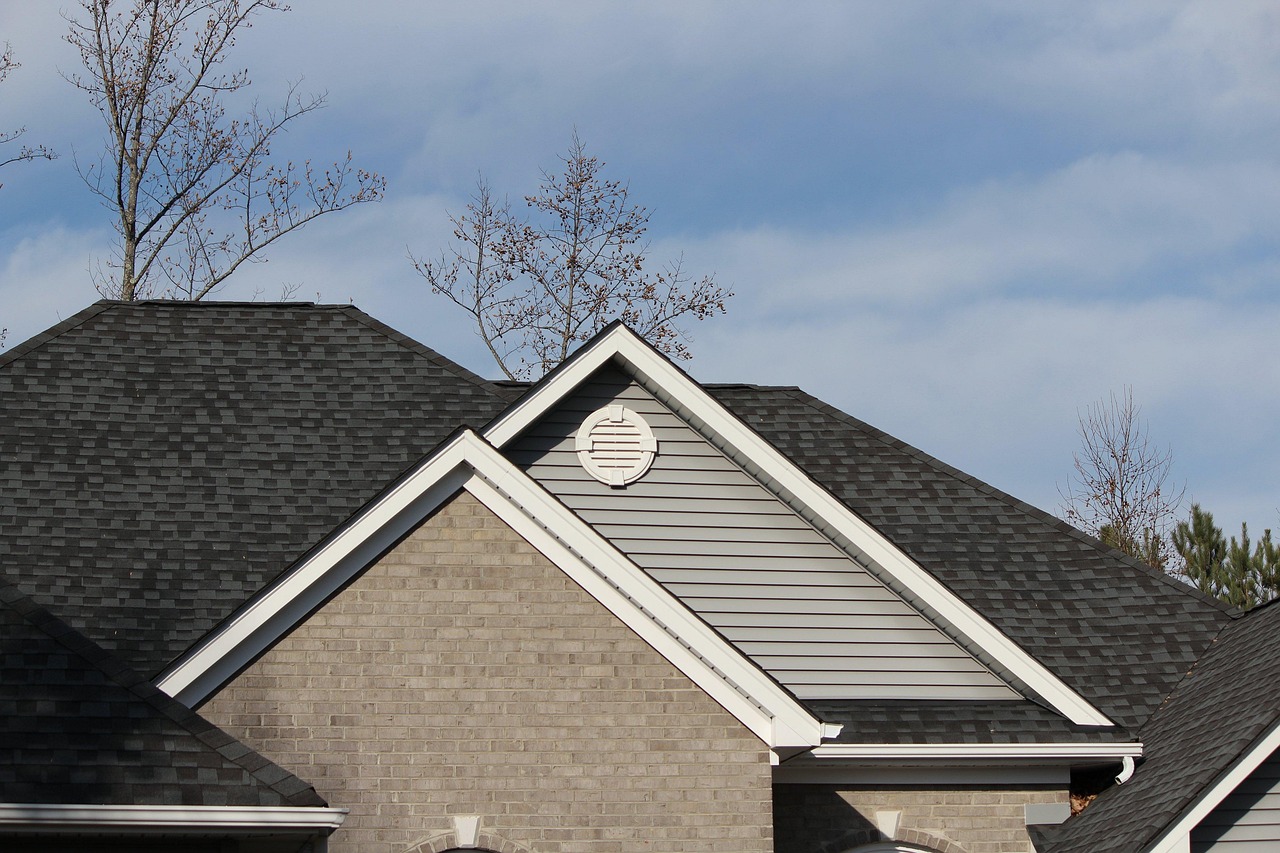
In the scorching desert summers, best ventilation isn't just about comfort; it's a strategic approach to slashing cooling bills. A well-planned ventilation strategy, especially for homes with concrete tile roofs, can significantly reduce energy costs. Let's explore how this works and share practical tips from Oro Valley's leading roofing contractors.
When considering venting under concrete tile, remember that the goal is to create a balanced intake and exhaust system. This prevents hot, stagnant air from building up in the attic, which is a common problem in desert climates. Solar attic fans, for instance, can be highly effective. These fans use the sun's energy to draw hot air out, cooling down the attic and, by extension, the entire home. But for best performance, they must be paired with adequate soffit vents, which allow fresh air to enter the attic space. A balanced intake and exhaust system is key to preventing excessive energy usage and high cooling bills.
Bird screens and turbine vents also play an important role in desert ventilation. Bird screens, installed over vents, protect against unwanted critters while still allowing air flow. Turbine vents, designed to spin and draw air upward, are ideal for flat or low-slope roofs, providing natural cooling without the need for power. A recent study found that homes with active ventilation systems, including turbine vents, had an average 15% reduction in cooling bills compared to poorly ventilated homes. By strategically incorporating these solutions, homeowners can not only save money but also extend the life of their roofing underlayment, a critical component in protecting against the harsh desert climate.
To ensure best ventilation and energy savings, homeowners should consider these steps: first, assess their roof's ventilation system, looking for areas that might be impeding airflow, especially under concrete tiles. Second, consult with a local roofing expert who can recommend suitable ventilation upgrades, such as adding more soffit vents or installing solar attic fans. Lastly, maintain these systems regularly to ensure they continue to function efficiently. By taking these measures, homeowners can enjoy a cooler, more comfortable home while reducing their energy footprint, a win-win scenario in the desert's hot summers.
Frequently Asked Questions About How Ventilation Affects Cooling Bills in Desert Summers
What is the primary impact of proper ventilation on cooling costs during desert summers?
Proper ventilation significantly reduces cooling costs. By allowing hot, stagnant air to escape and fresh, cooler air to enter, it diminishes the workload on air conditioning units. This is particularly important in desert regions where temperatures can soar, leading to increased energy usage and higher bills. A well-designed ventilation system can lower indoor temperatures by up to 10°F (5.5°C), translating to substantial savings on cooling expenses.
How does the design of a building's ventilation system influence its energy efficiency?
The design plays a key role. Open-loop systems, which draw in outdoor air, are more energy-efficient than closed systems. Strategically placed windows, skylights, and vents can create natural cross-ventilation, reducing the need for mechanical cooling. In desert areas, designing for maximum airflow and minimizing insulation can also help regulate temperatures, cutting down on cooling bills.
Can ventilation systems be retrofitted to existing homes to improve energy efficiency?
Absolutely. Retrofitting is a cost-effective solution for many homeowners. This can include installing energy-efficient windows, adding exhaust fans in kitchens and bathrooms, and implementing whole-house ventilation systems. These measures not only lower cooling bills but also improve indoor air quality and overall comfort.
What are some common mistakes people make when considering ventilation for their desert homes?
One common mistake is focusing solely on insulation to keep homes cool. While insulation is important, it's just one piece of the puzzle. Neglecting proper ventilation leads to stagnant, hot air inside, counteracting insulation efforts. Another error is underestimating the impact of direct sunlight; shading strategies and reflective roofs can be overlooked but are vital in desert climates.
How does the choice of materials affect ventilation and cooling costs?
The selection of materials can dramatically impact a building's thermal performance. Reflective or light-colored roofs and walls can bounce sunlight away, keeping the structure cooler. Materials with high thermal mass, like concrete or brick, can absorb and store heat during the day and release it slowly at night, providing natural temperature regulation.
Are there any local or federal incentives for installing energy-efficient ventilation systems?
Many regions offer incentives, including tax credits and rebates, for installing energy-efficient homes and buildings. These often encourage the adoption of smart ventilation strategies. Check with local utility companies and building departments for specific programs, as incentives vary widely by location and can change annually.
As the sun beats down on the arid field, understanding how ventilation impacts cooling bills becomes important for homeowners in desert regions. This article has examined into the intricate relationship between proper ventilation and energy efficiency in hot summer climates. A key takeaway is the power of venting under concrete tile to naturally reduce cooling costs. By allowing for efficient air movement, this technique can lower temperatures, mitigating the need for excessive air conditioning.
the science behind optimized air flow reveals that balanced intake and exhaust systems, such as soffit vents and ridge vents, are essential. Proper ventilation not only cools the attic but also prevents moisture buildup, a major factor in indoor air quality and structural integrity. The article's practical tips encourage homeowners to consider the unique needs of their desert homes, ensuring best ventilation for comfort and energy savings.
by implementing strategies like venting under concrete tile naturally, homeowners can significantly reduce their cooling bills while maintaining a healthy, comfortable living environment. This evidence-based approach, backed by industry experts, offers a cost-effective and sustainable solution to the challenges posed by desert summers.
Summary:
In Sun City Oro Valley's scorching desert summers, effective roof ventilation reduces cooling bills and improves indoor comfort. For concrete tile roofs, venting under the tiles is important. This strategy, often overlooked, balances indoor-outdoor temperature differentials through intake and exhaust ventilation. A combination of soffit and ridge vents, installed by a qualified roofer, can decrease peak cooling demand by up to 15%. Modern solutions like low-profile tile vents and whole house fans enhance efficiency. Proper ventilation reduces attic temperatures, mitigates moisture buildup, and extends roof underlayment life, making it a cost-effective and energy-efficient choice for desert homeowners.