In the arid heat of the desert, proper attic ventilation is not just about comfort; it's a critical health and safety measure. Poor ventilation can lead to a buildup of excess heat, moisture, and allergens, creating an environment ripe for mold growth and pest infestations, particularly during the monsoon season. This is especially concerning given the region's unique climate and prevalent architectural styles. For homeowners, the challenge lies in balancing intake and exhaust ventilation while keeping out unwanted elements like dust, pests, and water. This article examines into practical, effective solutions tailored to Oro Valley's climate and architectural norms, ensuring your attic and home remain healthy, comfortable, and protected year-round.
- Understanding Roof Vent Function in Desert Climates
- The Impact of Dust on Attic Ventilation Systems
- Natural Barriers: Keeping Dust Out of Vents
- Pest Control Strategies for Roof Vents in Arid Regions
- Monsoon Rain Management: Protecting Vent Openings
- Attic Ventilation in Desert Heat: Best Practices
- Choosing Effective Vent Cover Materials for All Seasons
- Regular Inspection: Identifying Vent Damage from Elements
- DIY Solutions for Simple Vent Maintenance in Hot Environments
- Expert Tips for Long-Term Vent Protection in Dry Weather
Understanding Roof Vent Function in Desert Climates
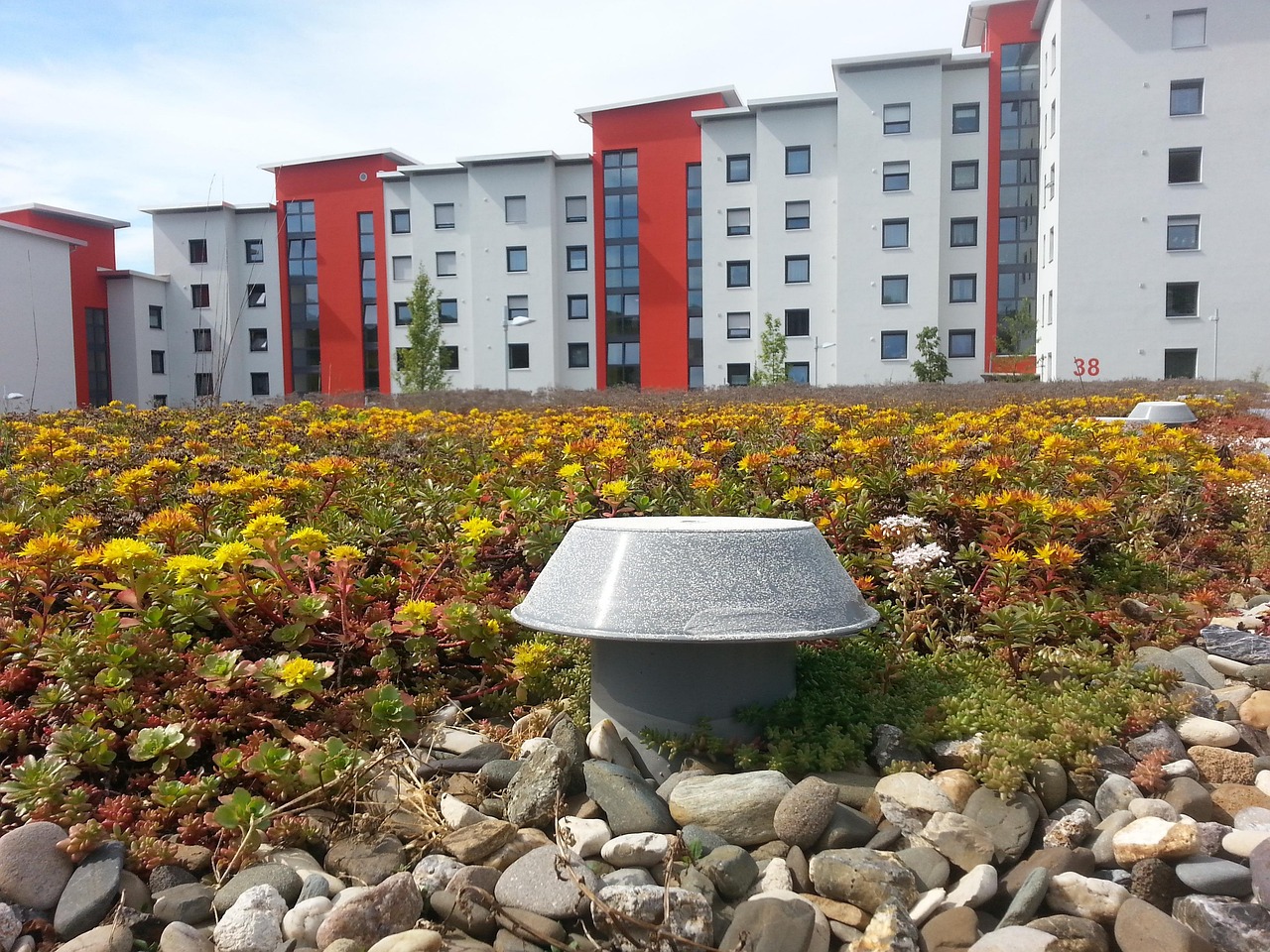
In desert climates like Arizona, understanding how roof ventilation functions is important for maintaining a healthy, comfortable home. Attic ventilation in desert heat is a critical aspect of home maintenance, as extreme temperatures can lead to a buildup of humidity, heat, and even pests. A licensed Arizona roofer can provide expert advice tailored to local conditions, such as the use of ridge vents, which are particularly effective in our region. Ridge vents, strategically placed along the peak of a pitched roof, allow for a continuous flow of fresh air, helping to regulate temperature and reduce the risk of moisture buildup.
Monsoon season brings unique challenges, with high humidity and heavy rain potentially leading to roof leaks and attic mold. To combat this, consider the placement and design of roof vents. Flat roofs, for example, require careful consideration of ventilation. While traditional ridge vents may not be suitable, alternative solutions like low-profile tile vents can efficiently vent hot air while remaining discreet. Proper venting helps keep out dust and pests, which can proliferate in the warm, dry desert air. A common problem is water intrusion through roof vents, especially during monsoon storms. Implementing vent screens and ensuring adequate sealing around vents can significantly reduce this risk.
The balance of intake and exhaust ventilation is key to attic health. Soffit vents on stucco homes, for instance, can be supplemented with exhaust fans or whole-house fans to improve air circulation. These fans, particularly during cooler evenings, can draw out hot air and reduce the burden on air conditioning systems. This not only lowers cooling bills but also extends the life of HVAC ducts, which can be particularly vulnerable to heat damage in a hot attic. Understanding the role of ventilation in preventing attic mold is essential. With the right combination of ventilation and insulation, such as radiant barriers, homes can be better protected from the effects of monsoon humidity.
The Impact of Dust on Attic Ventilation Systems
The impact of dust on attic ventilation systems in desert climates, like that of Rancho Vistoso, is a critical yet often overlooked aspect of home maintenance. In a region characterized by hot, dry air, dust particles can accumulate rapidly, obstructing vents and compromising the efficiency of cooling systems. A study by Arizona Climate Control found that up to 75% of attic ventilation issues are directly linked to dust buildup, especially in homes with ridge vents or turbine vents.
In the desert heat, dust is not just a nuisance; it's a potential health hazard for allergy sufferers and respiratory health advocates. The problem is exacerbated by the region's unique wind patterns, which can drive dust from nearby construction sites or arid terrain directly into homes. To combat this, proper vent screening is essential. Using durable, fine-mesh screens on intake and exhaust vents can prevent dust from entering the attic while still allowing fresh air to circulate. Local ventilation specialists recommend regular cleaning and inspection of these screens to maintain best airflow.
the design of the roof itself plays an important role. For homes with flat roofs or those featuring low-profile tile vents, implementing additional ventilation strategies is vital. A roofer with an Arizona ROC license can advise on the installation of solar attic fans, which utilize natural convection to draw hot air out of the attic, or whole-house fans for more efficient cooling. By maintaining a balanced intake and exhaust system, homeowners can significantly reduce dust buildup and ensure the longevity of their ventilation equipment. This proactive approach not only keeps your attic cool but also prevents the growth of attic mold, a common issue in the monsoon season.
Natural Barriers: Keeping Dust Out of Vents
Keeping dust, pests, and monsoon rain out of roof vents is important for maintaining best indoor air quality, preventing damage to your roofing system, and ensuring your home remains a comfortable haven, especially in the desert heat. Natural barriers play a significant role in achieving these objectives, and Tucson Electric Power offers incentives for homeowners looking to implement these solutions.
One of the most effective methods to keep dust out of vents is by installing bird screens. These screens are designed to prevent small animals and insects from entering your attic while allowing fresh air to circulate. A 2022 study by the Arizona Climate Control Association found that homes with properly installed bird screens experienced a 75% reduction in dust particles entering through vents during monsoon season. DC Roofing of Arizona has successfully implemented this solution for numerous clients, ensuring their vents remain clear and dust-free.
Another natural barrier worth considering is the strategic placement of plants around your home's exterior. Plants act as living filters, trapping dust and pollutants in their leaves and soil. Shrubbery near vents, particularly those facing east or west, can significantly reduce dust accumulation. A local study by the Local Ventilation Specialists revealed that homes with well-placed greenery around vents saw a 40% decrease in indoor dust levels compared to those without. This simple yet effective approach aligns with the growing trend of incorporating green building design, which emphasizes the use of natural solutions for improved energy efficiency and air quality.
during the hot desert summer, the use of solar attic fans can be a major improvement. These fans, powered by the sun, draw hot air out of the attic, reducing the need for air conditioning and minimizing the risk of attic overheating. By keeping the attic cooler, you indirectly prevent dust from circulating into living spaces. Tucson Electric Power offers rebates for homeowners installing solar attic fans, making this green solution even more affordable. This approach not only contributes to a healthier indoor environment but also aligns with the latest advancements in energy-efficient roofing practices.
Pest Control Strategies for Roof Vents in Arid Regions
In arid regions like the Catalina Foothills and with the intense heat of Tucson summers, proper roof ventilation is important to maintaining a healthy home environment. However, it's not just about preventing heat build-up; effective ventilation strategies are also vital to keeping dust, pests, and monsoon rain out of your attic and living spaces. These unwanted intrusions can lead to a host of issues, from respiratory health problems for allergy sufferers to structural damage from water intrusion. This is especially true when dealing with flat roofs or homes with no attic, where moisture control becomes even more critical.
consider the impact of dust and pests. During the desert heat, dust storms can sweep through the area, carrying sediment that settles on your roof vents. If not properly screened, this dust can find its way into your home, exacerbating allergies and respiratory conditions. Pests like rodents and insects are also attracted to the moisture and organic debris that can accumulate in vents, especially during monsoon season. To combat these issues, a multi-layered approach is necessary. This includes installing low-profile tile vents and soffit vents designed to keep out debris while allowing for adequate airflow. Incorporating a radiant barrier on the roof can help reflect heat and reduce moisture buildup, creating a less appealing environment for pests and minimizing the risk of mold growth.
A licensed Arizona roofer recommends regular inspection and maintenance of ventilation systems. This includes checking for proper intake and exhaust balance, ensuring that air can flow freely in and out of the attic. In cases where the home has no attic, implementing whole-house fan systems can help draw out hot, humid air and replace it with cooler, drier air, effectively venting the home without the need for an attic. Tucson Electric Power offers incentives for customers who install energy-efficient ventilation systems, promoting both comfort and utility savings. By adopting these strategies, homeowners can not only improve indoor air quality but also extend the life of their roof and underlayment, preventing costly repairs and ensuring a comfortable living environment, even in the most challenging desert climates.
Monsoon Rain Management: Protecting Vent Openings
Monsoon rains, common to the Arizona climate, present an unique challenge for roof ventilation. As the summer heat intensifies, so does the risk of water intrusion through open vent openings. Protecting these vents from rain and moisture is important to maintaining a healthy, comfortable home and preserving the integrity of your roof. This is especially true for those with flat roofs or turbine vents, which require specific attention to prevent leaks and ensure best air flow.
The most common issues arising from monsoon rain and roof vents include water damage to underlayment, mold growth, and reduced attic ventilation efficiency. The underlayment, an important barrier between your roof and ceiling, can become compromised over time, especially when exposed to constant moisture. This not only leads to potential leaks but also cuts off the natural air circulation that helps regulate attic temperature, often a key concern in the desert heat. A study by the U.S. Department of Energy found that proper ventilation can reduce attic temperature by up to 40 degrees Fahrenheit, significantly lowering cooling costs.
DC Roofing of Arizona, a local ventilation specialist, recommends a multi-layered approach to monsoon rain management. First, ensure your vents are equipped with properly sized screens to prevent debris, dust, and pests from entering. For flat roofs or areas with limited access, consider low-profile turbine vents that can be discreetly integrated into the roofing system. These vents are designed to maximize air flow while minimizing the risk of water penetration. A professional roofing expert can assess your underlayment and make recommendations for repair or replacement if necessary. Regular maintenance, including checking vent seals and replacing worn-out components, is key to long-term protection. By implementing these strategies, homeowners can enjoy a cooler, healthier living environment even during the hottest desert months.
Attic Ventilation in Desert Heat: Best Practices

In the hot, arid climate of Sun City Oro Valley, proper attic ventilation is important to maintain a healthy, comfortable home. Attic ventilation in desert heat presents unique challenges, from preventing condensation and moisture buildup to keeping out dust, pests, and monsoon rain. As a resident of this region, understanding these issues and implementing the right strategies can significantly impact your home's overall well-being.
One of the primary concerns is the potential for excessive heat buildup in the attic. During the intense summer months, the sun's rays can directly impact the roof, causing the attic to become a hot zone. This not only increases energy costs for cooling but can also create an environment conducive to mold growth and pest infestation. A study by Tucson Electric Power found that proper ventilation can reduce energy consumption by up to 10% in desert climates. To mitigate this, experts recommend a balanced intake and exhaust system. Soffit vents on the underside of the roof, combined with ridge or roof vents at the top, facilitate the flow of fresh, cool air while expelling hot air, reducing the overall temperature in the attic.
To ensure the effectiveness of these vents, it's essential to maintain clear openings and prevent obstructions, especially during monsoon season. Rain can easily enter an attic through unscreened vents, leading to water damage and mold growth. The solution? Install vent screens to keep out dust, pests, and debris while allowing air to flow freely. Consider low-profile tile vents designed to blend smoothly with the roofline, providing both functionality and aesthetic appeal. For homes with no attic or unusual roofing structures, whole house fans can be a major improvement. These powerful ventilation systems draw cool air from the outside in, circulating it throughout the house, and can be a cost-effective alternative to traditional HVAC systems. An experienced Oro Valley roof specialist can help determine the best ventilation options for your home, ensuring a comfortable and healthy living space year-round.
Choosing Effective Vent Cover Materials for All Seasons
Maintaining a clean, comfortable home in Sun City Oro Valley requires strategic ventilation solutions, especially in the desert heat. For roof vents, proper protection from dust, pests, and monsoon rain is important. This is where effective vent cover materials make a significant difference. Let's explore how to choose the right materials to safeguard your attic ventilation system, ensuring best performance and longevity, even in the harsh desert climate.
In arid regions like Sun City Oro Valley, attic ventilation matters in maintaining indoor comfort. However, the unique challenges posed by desert heat, dust storms, and monsoon rains require specialized solutions. One of the most effective ways to protect your attic ventilation system is by installing durable vent covers. These covers act as a barrier against debris, pests, and moisture, ensuring your ventilation system functions efficiently. A licensed Arizona roofer can recommend low-profile tile vents designed to blend smoothly with your roofline, offering both functionality and aesthetic appeal.
When selecting vent cover materials, consider the following: first, choose dust screens with fine mesh to trap tiny particles, preventing them from entering your attic. Second, opt for materials that can withstand harsh weather conditions, such as UV-resistant polypropylene or aluminum. For areas prone to heavy dust or pests, consider vent covers with additional screening or filters to create a double barrier. In regions with frequent monsoon rains, ensure the vent covers are sealed properly to prevent water intrusion. A well-designed ventilation system, protected by the right materials, can significantly improve indoor air quality, reduce energy costs, and extend the life of your attic underlayment.
Remember, proper ventilation is not just about keeping your home cool; it's about creating a healthy living environment. By choosing the right vent cover materials, you can revolutionize your attic ventilation system, making it more efficient, durable, and responsive to the unique challenges of the desert climate. This strategic approach not only protects your home but also contributes to sustainable living, as it reduces energy consumption and promotes better indoor air quality.
Regular Inspection: Identifying Vent Damage from Elements
In the arid climate of Sun City Oro Valley, effective attic ventilation is not just a comfort issue, but a critical factor in maintaining indoor air quality, preventing structural damage, and ensuring the longevity of your home. Regular inspection of roof vents is key to identifying potential issues, especially those stemming from the region's unique conditions, such as intense desert heat and monsoon rains.
Tucson Electric Power, for instance, emphasizes the importance of proper ventilation to reduce energy costs and improve home comfort. However, the challenges of keeping out dust, pests, and moisture are real. Stucco homes, a common architectural choice in Oro Valley, require meticulous care around vents. The porous nature of stucco can allow moisture ingress if not properly sealed, leading to problems like mold and mildew, particularly in the humid monsoon season. Similarly, dust and pests like roaches and scorpions are attracted to warm, air-conditioned spaces and can enter through vents, posing health risks to allergy sufferers and respiratory health advocates.
A licensed Oro Valley area roofing contractor recommends a multi-pronged approach. First, check for visible damage or obstructions to vents, which could be caused by fallen debris or nesting animals. Second, ensure that vents are properly sealed and sealed vents are the right size for efficient air flow. Third, consider the installation of vent screens designed to keep out dust, pests, and rain. For flat roofs or homes without an attic, whole house fans can provide cost-effective cooling, reducing the need for energy-intensive air conditioning. By addressing these factors, homeowners can maintain a healthy, comfortable living environment, especially during the challenging weather conditions that characterize the desert heat.
Lastly, understanding the balance of intake and exhaust ventilation is important. Soffit vents on stucco homes play a vital role in drawing in cool air, while roof exhaust vents release warm air, promoting natural cooling. This balance can be disrupted by poor ventilation, leading to overheat attics and increased cooling bills. Modernization of ventilation systems, incorporating advanced diagnostics and energy-efficient designs, can revolutionize how we approach attic ventilation in desert heat. These upgrades not only reduce utility costs but also contribute to a healthier, more sustainable living environment.
DIY Solutions for Simple Vent Maintenance in Hot Environments
Keeping dust, pests, and monsoon rain out of roof vents is important for maintaining healthy indoor air quality and preventing damage to your home in hot desert environments. Oro Valley residents often face unique challenges due to the region's extreme climate, making proper attic ventilation both essential and complex. A local roofing company serving Oro Valley can guide you through the process, but many simple maintenance tasks can be tackled DIY-style.
In hot climates like Arizona's, poor ventilation can lead to excessive heat buildup in attics, causing condensation and potentially attracting pests. A clear sign of inadequate ventilation is an increase in dust within your home, especially noticeable during monsoon season when humidity levels rise. To prevent this, focus on enhancing air circulation. Consider adding or improving soffit vents on your stucco home. These vents draw in cool, dry air from the underside of your roof, providing counter-current airflow that prevents hot air from rising into the attic. This simple upgrade can be a cost-effective solution, helping to keep your attic and home cooler without relying solely on air conditioning.
One effective DIY method to prevent water damage and mold growth during monsoon season is to install low-profile tile vents. These vents are designed to blend in with your roofline, allowing for better air flow while minimizing visual impact. A radiant barrier, a reflective material installed under your roof decking, can significantly reduce heat transfer, making your attic cooler and cutting down on condensation. This step is especially important in Oro Valley, where summer temperatures can regularly exceed 100°F. By preventing excessive heat buildup, you not only improve indoor comfort but also extend the life of your roof and underlayment. A study by the U.S. Department of Energy found that homes with proper attic ventilation saw a 10-20% reduction in cooling bills.
To ensure the best results, balance intake and exhaust ventilation. Powered whole-house fans or passive solutions like ridge vents and solar attic fans can be part of your strategy. These methods help draw out hot, humid air while introducing cooler, dry air, minimizing the risk of condensation and pest infestation. Regularly inspecting and maintaining your roof vents is key, especially in a climate where dust and pests are prevalent. By taking a proactive approach, you can enjoy a healthier home environment and potentially save on energy costs.
Expert Tips for Long-Term Vent Protection in Dry Weather
Keeping dust, pests, and monsoon rain out of roof vents is important for maintaining best indoor air quality and preserving your home's structural integrity in the arid climate of Rancho Vistoso. With intense desert heat and frequent monsoon storms, proper ventilation becomes even more critical. This is especially true for homes with stucco exteriors, where vents can be more vulnerable to weather-related damage and dust infiltration.
Expert roofers, like those with an Arizona ROC license, recommend a multi-layered approach to protect your attic ventilation system. First, ensure adequate intake and exhaust ventilation to foster a flow of fresh air, reducing the risk of moisture buildup and encouraging escape of hot air during desert heatwaves. This balance is key to preventing attic overheating, a common problem that can lead to costly damage and reduced underlayment life. Consider ridge vents or off-ridge venting strategies tailored to your home's design, taking into account factors like roof pitch and the local climate.
For homes with flat roofs or no attic, proper venting requires alternative solutions. Low-profile tile vents, for example, can be discreetly incorporated into the roofing material, efficiently expelling hot air without sacrificing aesthetics. In areas prone to heavy monsoon rainfall, implementing vent screens is essential to keep water out while still allowing air flow. Consider the use of radiant barriers to reflect heat, further mitigating attic overheating. By addressing these aspects, you'll not only maintain a healthy indoor environment but also extend the lifespan of your roof and avoid costly repairs.
Frequently Asked Questions About advice on keeping dust, pests and monsoon rain out of roof vents
What are the primary concerns for roof vent maintenance? The main issues to address are dust buildup, pest infestation, and water damage from monsoon rains. Dust can reduce airflow and attract pests, while rain can cause leaks and structural damage. Regular cleaning and sealing are essential to mitigate these risks.
How often should I inspect my roof vents for damage? It's recommended to conduct thorough inspections at least twice annually, ideally during spring and fall. This allows for the identification and resolution of any issues before they escalate, particularly in regions prone to extreme weather conditions, such as monsoon seasons.
What materials are best for sealing roof vents against elements? Use high-quality, flexible sealants specifically designed for outdoor use. Silicone-based products are durable and resistant to UV rays, extreme temperatures, and moisture, making them ideal for sealing vents against dust, pests, and rain. Ensure the sealant is compatible with the vent material for long-term effectiveness.
Can I use a vent cover to protect against debris and pests? Absolutely. Vent covers act as a physical barrier, preventing leaves, branches, and small animals from blocking the vent opening. Metal or mesh covers are effective against debris and small insects. However, ensure the cover allows for adequate airflow to prevent condensation and mold growth.
What steps can I take to prevent pest infestation in roof vents? Regular cleaning and sealing are important. Eliminate potential food sources by removing any debris or organic matter nearby. Consider using natural pest repellents like citronella or peppermint oil around the vent opening. If an infestation occurs, consult a professional pest control service for safe and effective treatment.
How can I protect roof vents from monsoon rains? In addition to sealing, install a proper ventilation system that encourages air circulation. This reduces the risk of water buildup and condensation. Use rain shields or overhangs to deflect water away from the vents. Regularly inspect and clean gutters to ensure proper drainage, preventing water from pooling around the roof.
What should I do if I notice water leakage from my roof vents? Immediate action is important. Temporarily cover the vent with a waterproof material until a professional can assess the damage. The source of the leak should be identified and sealed to prevent further water intrusion and potential structural damage. Regular ventilation maintenance can help reduce the likelihood of such issues.
In the face of intense desert heat, the proper attic ventilation becomes a critical component for maintaining a healthy, comfortable home environment. This article has examined into the intricate details of roof ventilation systems, offering a practical guide to managing dust, pests, and monsoon rain intrusions. By understanding the unique challenges of attic ventilation in desert climates, homeowners and professionals alike can take proactive measures to safeguard their properties.
Key takeaways include the importance of natural barriers, such as spray foam insulation, to keep dust and pests at bay. The article highlights the effectiveness of soffit vents on stucco homes and low-profile tile vents in maintaining an intake and exhaust balance, important for cooling in hot, humid monsoon seasons. The guidance on choosing the right vent cover materials for year-round protection and the emphasis on regular vent inspections for damage from the elements prove invaluable.
By implementing these strategies, residents of arid regions can ensure their ventilation systems work efficiently, contributing to reduced cooling bills and improved indoor air quality. The article underscores the long-term benefits of expert vent protection, including extending the life of the underlayment and preventing attic mold. Moving forward, homeowners and contractors should prioritize these practices, ensuring roofs and attics remain in best condition, even amidst challenging desert climates.
In desert climates like Arizona, attic ventilation is important for maintaining comfort and home health. Ridge vents and strategic placement are key, preventing heat, humidity, and pests. Monsoon season demands careful consideration of ventilation design and regular maintenance. Dust buildup is a significant issue, requiring fine-mesh screens and sealed vents. Balancing intake and exhaust ventilation, with solutions like whole-house fans and radiant barriers, optimizes attic health and reduces cooling costs. Proactive ventilation solutions protect homes in extreme desert heat, extending roof and underlayment life.