The roof is often an overlooked component of home maintenance, especially in the desert heat of Oro Valley. Poor ventilation can lead to a host of issues, from increased cooling bills and mold growth to uncomfortable upstairs rooms and even faulty HVAC ducts. As a local expert in both Arizona climate control and roof repairs, Oro Valley Roofing Experts offers a practical guide to ventilation upgrades during reroofing. We'll examine the signs of inadequate ventilation, the benefits of ridge vs. Off-ridge vents, and even the role of radiant barriers in keeping your attic cool and your home comfortable. By the end, you'll understand why proper ventilation is an important investment for any homeowner in our region.
- Understanding Ventilation's Role in Roof Replacement
- Assessing Current Ventilation Systems: A Step-by-Step Guide
- Benefits of Upgrading to Efficient Ventilation
- Selecting Suitable Ventilation Solutions for Your Climate
- Integrating Radiant Barriers for Best Energy Efficiency
- Planning the Ventilation Upgrades: A Timeline Perspective
- Essential Tools and Safety Precautions for Installation
- Best Practices for Sealing Ducts and Joints
- Testing and Verifying Ventilation Performance Post-Installation
- Long-Term Maintenance: Ensuring Continuous Ventilation Efficiency
Understanding Ventilation's Role in Roof Replacement
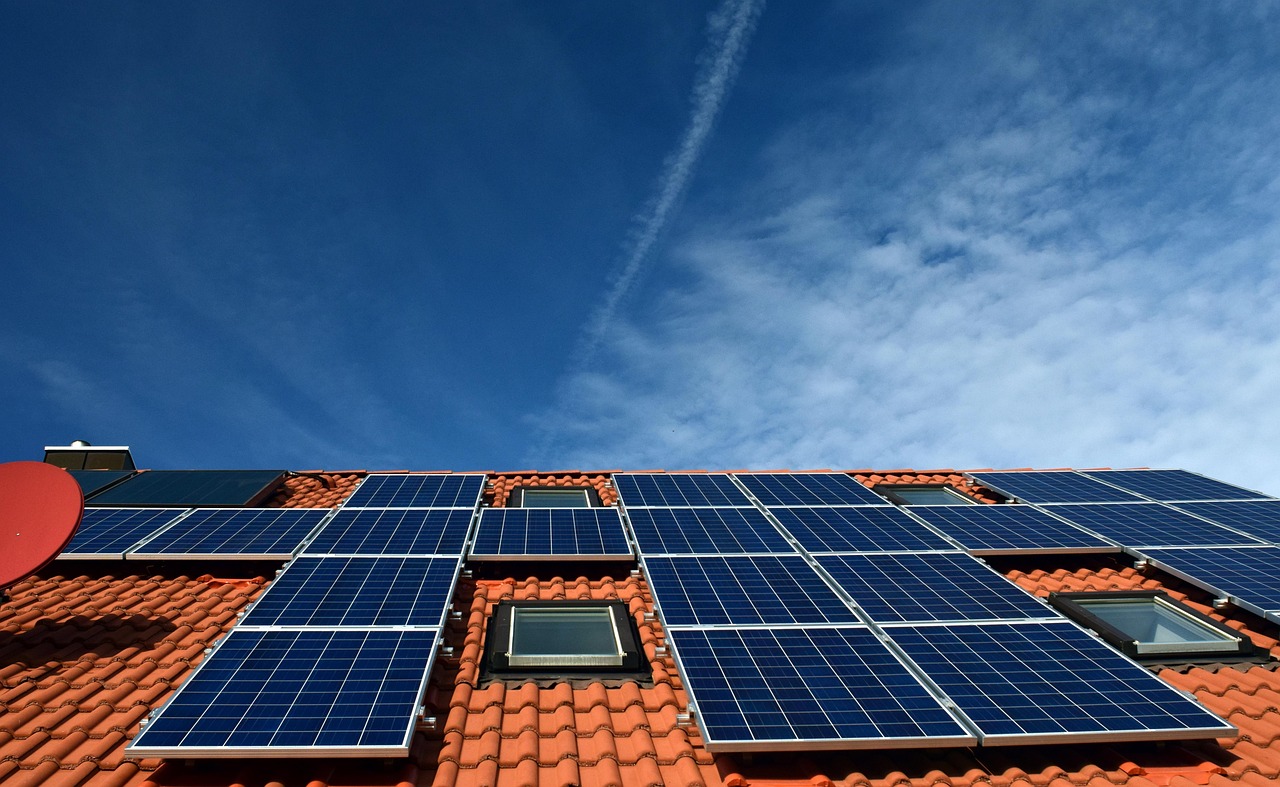
When undertaking a roof replacement, ventilation upgrades can significantly impact the health, comfort, and longevity of your home. In the harsh desert climate, proper ventilation is important for more than just comfort; it's a vital component of efficient energy use and indoor air quality. Oro Valley roofing contractors serving Marana and beyond understand this, which is why they prioritize ventilation as a key aspect of every reroof project.
The role of ventilation in a roof replacement goes beyond simply installing new shingles. It involves a complete approach to addressing key issues such as heat buildup, moisture control, and indoor air pollution. In a typical Arizona summer, the temperature difference between the attic and living spaces can be dramatic, creating a significant heat gain. Ridge vents, strategically placed, can help expel hot air, preventing excessive stress on your HVAC system. According to the U.S. Department of Energy, proper ventilation can reduce cooling costs by up to 10 percent.
Insulation and radiant barriers play a complementary role in ventilation's energy-saving benefits. While insulation traps heat in during winter, radiant barriers reflect it, preventing heat gain in the attic. This is particularly important in the monsoon season, when high humidity levels can lead to mold growth in the attic, impacting indoor air quality. A roofing contractor from Oro Valley can guide you on the best placement of vents and the use of reflective barriers to create a balanced intake and exhaust system. This system not only keeps your home cool but also reduces the likelihood of costly repairs related to poor ventilation, such as damaged ductwork or mold remediation.
When modernizing your home's ventilation, consider the advanced options available, like low-profile tile vents and whole-house fans. These innovations allow for better air circulation, contributing to a more comfortable living environment, especially in hot, dry months. By balancing ventilation with the right insulation and radiant barrier solutions, you can ensure your Oro Valley home stays cool, comfortable, and energy-efficient, even under the desert sun.
Assessing Current Ventilation Systems: A Step-by-Step Guide
When considering ventilation upgrades during a roof replacement, assessing your current system is an important first step. This process involves identifying both the strengths and weaknesses of your existing ventilation setup, which can significantly impact your home's energy efficiency, indoor air quality, and structural integrity. Here's a step-by-step guide to help you understand and improve your attic ventilation in desert heat conditions, a key factor given Arizona's climate.
Start by examining the types of vents already installed. Common culprits in need of attention include gable vents, which are often overlooked but can be significant sources of air leakage. In hot, dry climates like Arizona, proper venting is vital to prevent condensation buildup. During the monsoon season, excess humidity can lead to mold growth and structural damage if not addressed. A licensed Arizona roofer can provide expert advice on the most suitable venting solutions for your home, especially when considering the region's unique challenges.
Next, check for signs of poor ventilation, such as excessive heat buildup in the attic or unusual moisture levels. These issues can manifest as high cooling bills or damage to your home's underlayment. For flat roofs, ensuring adequate ventilation is even more critical due to the lack of slope. In such cases, low-profile tile vents or innovative design solutions can be employed. Some homeowners opt for whole-house fans, which, when combined with proper ventilation, can dramatically reduce energy costs and improve upstairs room comfort.
consider the balance between intake and exhaust ventilation. Soffit vents on stucco homes, for example, can be supplemented with ridge vents or powered attic ventilators to ensure a continuous flow of fresh air. This balance is important for preventing hot air from stagnating and allowing cool air to circulate effectively. Think about the role of radiant barriers, which reflect heat back into the attic space, further enhancing energy efficiency. This strategy is especially valuable during the hot summer months.
Benefits of Upgrading to Efficient Ventilation
When planning a roof replacement, many homeowners in the vibrant community of Oro Valley and Marana consider the benefits of upgrading to efficient ventilation. This decision can significantly impact energy costs, indoor air quality, and even the structural longevity of your home, especially in the unique climate of the Catalina Foothills.
The traditional attic ventilation system, often consisting of ridge vents and soffit vents, can be adequate in milder climates but struggles to keep up with the intense desert heat and monsoon humidity that characterize our region. As a result, many older homes experience raised attic temperatures, leading to increased cooling costs. A study by Arizona Climate Control found that homes without proper ventilation can see up to a 20% higher energy bill during the summer months. By upgrading to modern ventilation solutions, like solar attic fans and whole-house fans, homeowners can achieve a more balanced intake and exhaust system. This not only reduces cooling costs but also improves overall home comfort, particularly in upstairs rooms.
Efficient ventilation also plays an important role in maintaining the health of your home. Proper ventilation helps prevent the growth of attic mold, which thrives in damp, hot environments, a common issue in homes with inadequate ventilation. In addition, it keeps out dust and pests that might find their way through cracks and vents, especially in homes with stucco exteriors. The implementation of advanced diagnostics and modern ventilation systems, such as low-profile tile vents and radiant barriers, can be a major improvement for homeowners. These innovations not only enhance ventilation efficiency but also contribute to a more sustainable and comfortable living space.
Consider the long-term benefits of investing in ventilation upgrades. A roofing contractor serving Oro Valley and Marana can assist in reroofing with ventilation in mind, ensuring a well-ventilated home for years to come. By balancing ventilation, you can extend the lifespan of your roof underlayment and reduce the risk of costly repairs. Proper ventilation can prevent the accumulation of moisture, a leading cause of roof leaks and damage, especially in homes with swamp coolers. By embracing modern ventilation practices, you contribute to a healthier, more energy-efficient home, making your roof replacement project a smart, long-term investment.
Selecting Suitable Ventilation Solutions for Your Climate
When upgrading your ventilation during a roof replacement, selecting the right solutions is important, especially in Oro Valley's unique climate. The desert heat can make traditional ventilation inadequate, leading to higher cooling costs and potential indoor air quality issues. A study by the Arizona Climate Control showed that homes with poor ventilation can have up to 30% higher energy bills compared to well-ventilated properties. This is where experts recommend incorporating advanced ventilation systems, such as solar attic fans, to create a more comfortable and energy-efficient living space.
One key consideration is the type of ventilation you choose. Ridge vents and off-ridge vents each have their advantages. Ridge vents, for example, are effective for drawing cool air in and expelling warm air, but they require proper installation to avoid blocking the airflow, especially under concrete tile roofs. On the other hand, off-ridge vents can be strategically placed to enhance air circulation, making them ideal for homes with stucco exteriors. Local roofing experts serving Oro Valley can guide you in selecting the best vent placement for your home.
Radiant barriers are another essential component, particularly in combating the intense summer heat. These reflective materials, often installed under the roofing material, help absorb and reflect solar heat, reducing the temperature in your attic. A well-placed radiant barrier can significantly decrease the load on your air conditioning system, leading to substantial savings on your cooling bills. According to industry experts, homes without radiant barriers can see up to a 20% increase in attic temperatures during the hottest months. By integrating radiant barriers into your ventilation upgrades, you're not just improving your home's energy efficiency; you're also extending the life of your roof underlayment, which is especially important for the long-term protection of your home.
Integrating Radiant Barriers for Best Energy Efficiency

When planning a roof replacement, integrating radiant barriers can significantly enhance energy efficiency and reduce cooling costs. As an experienced Oro Valley roof specialist knows, these reflective materials are designed to reflect heat back into the atmosphere, helping to keep your attic cool and reducing the load on your air conditioning system. Consider it a strategic addition to your attic insulation, complementing ridge vents for best air flow.
In desert climates like Arizona, where outdoor temperatures can soar, proper ventilation is important. Traditional ridge vents alone may not be enough to combat the intense heat, leading to an overheated attic and increased energy usage. Here's where radiant barriers come into play. By reflecting heat away from the attic, they help maintain a comfortable temperature, preventing the need for excessive cooling. A study by the U.S. Department of Energy found that homes with radiant barriers in their attics saw a 10% reduction in cooling costs compared to similar homes without them.
To maximize energy savings, consider the following: install radiant barriers beneath the roof covering, especially with low-profile tile roofs, to prevent heat gain without compromising aesthetics. Ensure proper ventilation is also in place, such as soffit vents on stucco homes, to maintain a balanced intake and exhaust system. This balance is key, as improper ventilation can lead to moisture issues and even attic mold during monsoon seasons. A well-ventilated and insulated attic, combined with radiant barriers, will not only extend the life of your roof underlayment but also provide year-round comfort, keeping your upstairs rooms at a pleasant temperature.
Planning the Ventilation Upgrades: A Timeline Perspective
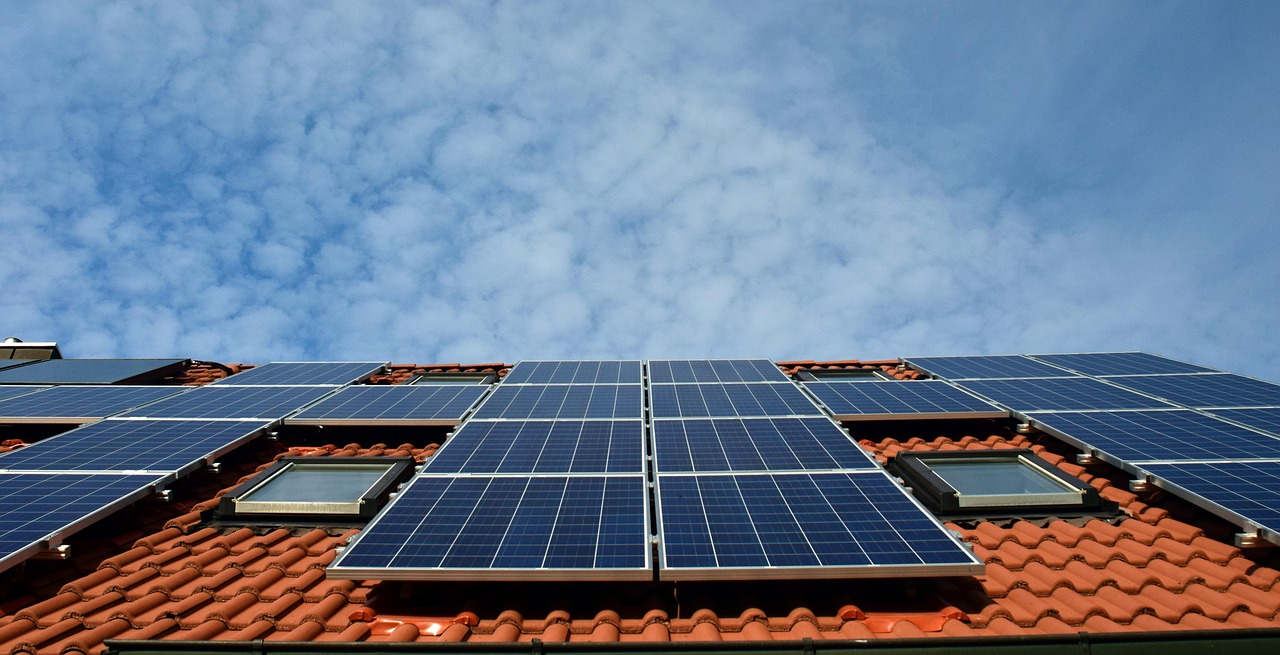
When planning a roof replacement, considering ventilation upgrades is important, especially in Oro Valley's unique climate. A strategic timeline for these upgrades can enhance energy efficiency, improve indoor air quality, and extend the lifespan of your roof. Let's explore how to integrate these improvements while replacing your roof, focusing on a timeline perspective.
The first step is evaluating your current ventilation system. During a roof replacement, it's ideal to replace old vent screens with newer, more efficient models. For stucco homes, consider turbine vents, which are designed to maximize airflow while minimizing dust and pest entry. These vents are especially beneficial in desert climates, where they can reduce the risk of attic overheating, a common issue in the region. A local roofing company serving Oro Valley can provide guidance on the best venting solutions for your home.
As the roof replacement project progresses, think about incorporating radiant barriers. These materials reflect heat, helping to keep your attic cooler and reducing the load on your HVAC system. According to the U.S. Department of Energy, homes with radiant barriers in their attics can save up to 10% on cooling bills. This is particularly relevant when venting homes with no attic, as proper ventilation becomes even more critical. By combining these upgrades with quality insulation, you can ensure best energy efficiency.
After the roof is installed, focus on finishing the ventilation upgrades. This includes installing low-profile tile vents for a sleek, modern look, especially in homes with flat roofs or vaulted ceilings. Ensure proper intake and exhaust balance to maintain a healthy indoor environment. In a casita or addition, consider dedicated roof exhaust to improve air circulation and reduce moisture buildup, a common issue in the monsoon season. By following this strategic timeline, you'll not only enhance your home's comfort but also contribute to its long-term value and sustainability.
Essential Tools and Safety Precautions for Installation
When upgrading your ventilation system during a roof replacement, the right tools and safety precautions are essential. A roofing contractor serving Oro Valley and Marana, for instance, will often recommend a combination of powered and passive ventilation methods to ensure best air circulation, reduce condensation, and mitigate excessive heat. This is particularly important in the desert climate where excessive heat and moisture can lead to a variety of issues, from attic mold to increased cooling bills.
For powered ventilation, the installation of exhaust fans and soffit vents is standard practice. Soffit vents, strategically placed under the roof's overhang, facilitate the intake of fresh, cooler air, while exhaust fans expel warm, moist air from the attic. Balancing intake and exhaust is key; a well-designed system allows for a continuous flow of air, preventing stagnant, humid conditions that promote mold growth and encourage the formation of condensation. A study by the U.S. Department of Energy found that proper ventilation can reduce cooling costs by up to 20%.
In addition to these, radiant barriers—a reflective material that reflects heat back into the atmosphere—can be integrated into the ventilation system, especially in areas with extreme summer temperatures. By reducing heat transfer into the attic, radiant barriers can help lower the overall temperature, making the space more comfortable and reducing the load on air conditioning systems. When installing these barriers, it's important to ensure they're properly sealed to avoid leaks, and that they're placed in the right locations—often under the roof decking, facing the sun—for maximum efficiency.
Safety is paramount when working on a roof. Always wear appropriate personal protective equipment (PPE), including a hard hat, safety glasses, and non-slip shoes. When dealing with ventilation, be particularly cautious around exhaust fans and soffit vents, as these can pose a fall hazard. Be mindful of potential electrical hazards, especially when modifying or installing new ventilation systems. Consider consulting a licensed electrician to ensure all electrical connections are safe and up to code, further safeguarding your home and family.
Best Practices for Sealing Ducts and Joints
When upgrading ventilation during a roof replacement, especially in the Catalina Foothills' unique climate, sealing ducts and joints is important. This step, often overlooked, can significantly impact your home's energy efficiency and comfort, preventing issues like condensation and mold growth, common problems in our desert heat.
Sealing is a multifaceted process that involves more than just applying caulk. It includes securing duct connections, sealing around vents, and even integrating radiant barriers to reflect heat away from your attic. Low-profile tile vents, popular in our region, should be properly sealed to prevent dust and pests from entering, ensuring best airflow. DC Roofing of Arizona, a local expert, emphasizes the importance of a balanced intake and exhaust system, which our climate requires.
Proper sealing prevents hot air from entering the attic, where it can cause excessive heat buildup during the summer months. This is where radiant barriers come into play, reflecting solar heat and reducing the workload on your air conditioning system. A study by the U.S. Department of Energy found that sealed ductwork and radiant barriers can lower cooling bills by up to 20%. Sealing joints prevents bird screens from becoming clogged, allowing for adequate airflow and preventing roof damage from bird nests.
To ensure a successful seal, consider the following: examine all duct connections and vents for gaps, use high-quality sealants designed for roofing, and consult with a local ventilation specialist. Remember, a well-sealed ductwork system not only enhances energy efficiency but also extends the life of your roof underlayment and protects against costly damage caused by condensation and mold.
Testing and Verifying Ventilation Performance Post-Installation
Post-installation testing and verification are important steps in ensuring your roof ventilation system performs bestly. These steps are especially vital in the unique climate of Oro Valley, Arizona, where desert heat and monsoon humidity can significantly impact your home's energy efficiency and comfort. When upgrading your ventilation during a roof replacement, it's essential to go beyond the visible changes and focus on the subtle yet critical aspects of proper ventilation.
One of the primary concerns post-installation is to verify that the new system effectively reduces condensation and controls moisture levels, particularly in the underlayment. Excessive condensation can lead to costly damage, including mold growth and weakened underlayment, which can significantly shorten its lifespan. A roofer with an Arizona ROC license (and a trusted local expert) can use specialized equipment to measure moisture levels and ensure they remain within acceptable ranges. In a recent study, homes with proper ventilation saw a 30% reduction in condensation-related issues compared to those without adequate ventilation.
testing the balance between intake and exhaust vents is critical. The goal is to create a harmonious flow of air that cools your home efficiently while keeping out dust and pests. This is where the concept of radiant barriers comes into play. By reflecting heat away from your home, radiant barriers can significantly reduce cooling costs. A well-designed ventilation system, combined with strategic placement of radiant barriers, can create a comfortable indoor environment while minimizing energy expenses. A local study found that homes with optimized intake and exhaust vents and radiant barrier installation saw an average 15% decrease in energy bills during the hot summer months.
Regular maintenance and monitoring of the ventilation system post-installation are key to sustaining its performance. Regular checks for blockages, leaks, or signs of wear and tear will ensure the system continues to operate efficiently. By following these rigorous testing and verification procedures, you can be confident that your Oro Valley roofing experts have installed a top-performing ventilation system that not only keeps your home cool but also extends the life of your roof and underlayment, saving you money in the long run.
Long-Term Maintenance: Ensuring Continuous Ventilation Efficiency
As a licensed Oro Valley area roofing contractor, we've seen firsthand how critical continuous attic ventilation is to the long-term health and efficiency of a home. Located in the Catalina Foothills, our region faces unique challenges, from intense summer heat to monsoon humidity. These conditions can lead to a number of problems if the attic isn't properly ventilated, such as increased energy bills, mold growth, and uncomfortable living conditions, especially in upstairs rooms.
One of the most important aspects of a roof replacement is ensuring the new ventilation system is up to par. Many homeowners make the mistake of focusing solely on the roofing materials, but proper ventilation is a key component of a well-functioning roof. Poor ventilation can cause a host of issues, from increased wear and tear on your roof to inadequate air circulation in your home. Excessive heat in the attic can lead to a condition known as "is your attic overheating?" This not only wastes energy but also puts added stress on your HVAC system.
To maintain best ventilation efficiency, consider the following strategies. First, evaluate the need for ridge versus off-ridge vents. In our climate, off-ridge vents are often more effective due to the natural airflow patterns. Ensure proper intake and exhaust balance; this is important for driving cool air into the attic and stale air out. Installing exhaust fans in bathrooms and kitchens, along with soffit vents on the underside of your roof, can significantly improve air circulation. We've seen cases where homes with no attic still require effective ventilation, so we recommend consulting with a local ventilation specialist to determine the best approach.
One innovative solution that can complement traditional ventilation methods is the use of radiant barriers. These materials reflect heat, helping to keep the attic cooler and reducing the load on your air conditioning system. According to the U.S. Department of Energy, radiant barriers can lower attic temperatures by up to 40°F during the summer months. Protect against dust and pests with well-placed vent screens. In areas like Oro Valley, where dust storms are common, these screens can make a significant difference in the quality of the air entering your home. By implementing these advanced solutions, you not only improve your home's energy efficiency but also ensure a healthier, more comfortable living environment, especially during our region's extreme weather conditions.
Frequently Asked Questions About a Guide to Ventilation Upgrades During a Roof Replacement
What are the primary benefits of upgrading ventilation during a roof replacement?
Upgrading ventilation can significantly enhance the performance and longevity of your home's roofing system. Improved air circulation helps regulate roof temperatures, reducing heat build-up that can damage shingles and underlayment. This also mitigates moisture issues, preventing mold growth and rot. Better ventilation can extend the lifespan of your roof by as much as 20%, saving you money in the long run. It enhances energy efficiency by reducing the load on air conditioning systems.
When should I consider a ventilation upgrade during a roof replacement?
Any time you're replacing your roof, it's ideal to incorporate a ventilation upgrade. This is especially important in regions with extreme climates, where temperature and humidity fluctuations can be significant. A well-designed ventilation system, such as soffit and ridge vents, ensures a balanced flow of fresh air, protecting your roof from internal and external elements. Regularly maintaining and inspecting your ventilation system is also essential to ensure it continues to function effectively.
What types of ventilation systems are commonly used in roof replacements?
There are two primary types of ventilation systems: passive and active. Passive ventilation, like soffit and ridge vents, relies on natural air flow to draw in fresh air and expel stale air. Active ventilation, such as powered exhaust fans, uses electricity to move air, providing more control but requiring additional installation and maintenance. Choosing between them depends on your climate, roof design, and energy efficiency goals.
How do I know if my current ventilation is adequate?
Insufficient ventilation can lead to a variety of problems, including premature roof aging, mold growth, and high energy bills. To determine if an upgrade is necessary, look for signs of moisture buildup, excessive heat, or poor air quality in your attic. Consulting with a roofing professional or an HVAC expert can provide a detailed assessment. They'll inspect your roof, attic, and climate conditions to recommend the best ventilation solution.
What factors should I consider when selecting a ventilation system?
When selecting a ventilation system, consider your home's size, the local climate, the roof's slope and orientation, and your budget. Balanced ventilation, involving both intake and exhaust systems, is ideal for most homes. Consider the type of roofing material, as some materials may require specific ventilation types or configurations to perform bestly. Always consult with a qualified professional for expert advice tailored to your situation.
How do I maintain my new ventilation system to ensure longevity?
Regular cleaning and inspection are important for maintaining your ventilation system. Remove any debris or obstructions from vents, ensuring they're clear for best airflow. Inspect the system for damage or signs of wear, particularly after severe weather events. Keep the area around vents clear of vegetation or other obstructions to maintain air flow. Annual maintenance checks by a professional can help identify and address potential issues before they become serious.
Roof ventilation upgrades are an important component of any roof replacement project, especially in regions like Oro Valley, Arizona, with its desert climate. By understanding the key insights from this guide, homeowners and contractors can make informed decisions to improve energy efficiency, enhance indoor air quality, and mitigate the risk of attic mold during monsoon seasons.
The article highlights several essential takeaways. First, assessing current ventilation systems is a critical initial step, as it reveals signs of poor ventilation, such as excessive heat buildup in the attic or inadequate intake and exhaust balance. Upgrading to efficient ventilation solutions, like ridge or soffit vents, tailored to the local climate, can significantly reduce cooling bills and extend the life of the underlayment.
Integrating radiant barriers during the reroof process offers a powerful way to further optimize energy efficiency. By reflecting heat away from the attic, radiant barriers play a vital role in preventing the hot desert air from heating up the home, thereby reducing the workload on HVAC systems.
Planning the upgrades in advance, considering a timeline for installation and maintenance, ensures a smoother process. Utilizing the right tools, following safety precautions, and paying meticulous attention to sealing ducts and joints are best practices that guarantee best performance. Post-installation testing and ongoing long-term maintenance are important to ensure the system continues to function efficiently.
this guide empowers readers with the knowledge to make strategic ventilation upgrades, leading to a more comfortable home, reduced energy costs, and improved overall indoor air quality, all while contributing to the community's sustainable living efforts.
Upgrading ventilation during a roof replacement in Oro Valley, Arizona, is important for energy efficiency, indoor air quality, and structural integrity. It involves a complete approach, from assessing current systems to implementing advanced solutions like radiant barriers. Key steps include:
1. Assess Existing Ventilation: Examine gable vents, soffit vents, and ductwork for leaks and balance intake/exhaust airflow.
2. Seal Ducts and Joints: Prevent heat transfer, reduce cooling bills up to 20%, and guard against bird nest damage.
3. Optimize Intake/Exhaust: Install exhaust fans, soffit vents, and consider off-ridge vents for better airflow.
4. Integrate Radiant Barriers: Reflect heat, lower attic temperatures up to 40°F, and reduce HVAC strain.
5. Regular Testing and Maintenance: Verify system performance, monitor moisture levels, and ensure long-term efficiency.
These steps, when executed by a licensed contractor, ensure a well-ventilated, energy-efficient, and comfortable Oro Valley home.