Roof and attic ventilation is an important aspect of home maintenance, especially in Oro Valley's unique climate. As temperatures soar, so does the risk of attic overheating, which can lead to a host of issues, from structural damage to inefficiencies in cooling costs. The problem is exacerbated by the region's warm, dry summers and lack of natural ventilation, making proper ventilation systems essential for any well-maintained Oro Valley home.
This practical guide offers a step-by-step approach to ensuring your attic remains at a safe, comfortable temperature. We'll explore the science behind ventilation, the common issues that arise from inadequate systems, and provide expert advice on selecting and installing the right equipment for your specific needs, tailored to Oro Valley's conditions.
- Understanding Attic Ventilation: The Key to Energy Efficiency
- Roof Vent Types: Choosing the Right Fit for Oro Valley Homes
- Evaluating Attic Overheating: Signs and Causes
- Calculating Ventilation Needs: Size Matters for Best Airflow
- Proper Vent Placement: Strategizing for Effective Air Circulation
- Venting Soffits and Fascias: Unblocking Natural Air Inlets
- Insulation and Venting: Working Together Against Heat Gain
- Venting Ridge Shingles: Mitigating Heat Buildup on Roofs
- Local Regulations and Building Codes: Ensuring Code Compliance
- Maintenance and Troubleshooting: Keeping Your Attic Cool Naturally
Understanding Attic Ventilation: The Key to Energy Efficiency

The way you ventilate your attic is important to maintaining a comfortable, energy-efficient home, especially in Oro Valley's hot climate. Proper attic ventilation prevents excessive heat buildup, which can significantly impact your air conditioning costs. The primary culprit is not always direct sunlight but natural heat rise from the rest of your home. In the summer, heat from interior spaces rises and can cause the attic to overheat, leading to increased A/C usage and reduced insulation efficiency.
Attic ventilation involves a balanced system of intake and exhaust vents. Intake vents, placed near the ceiling, draw in cool air from the outside, while exhaust vents near the roof rid the attic of warm air. This continuous flow of air prevents hot air pockets and maintains a consistent temperature. A licensed Arizona roofer recommends a ventilation system with at least one intake and one exhaust vent per 100 square feet of attic space, ensuring proper air circulation.
Consider adding a radiant barrier to your attic for an extra layer of protection. This reflective material reduces heat transfer by blocking solar radiation. According to the US Department of Energy, homes with properly installed radiant barriers can save up to 10% on cooling costs. For best results, pair a radiant barrier with a well-designed ventilation system. This combination not only keeps your attic from overheating naturally but also improves overall energy efficiency. By implementing these measures, you're not just protecting your home from excess heat; you're making a smart investment in its long-term value and comfort.
Roof Vent Types: Choosing the Right Fit for Oro Valley Homes

In Oro Valley, effective roof and attic ventilation is important for maintaining a comfortable and energy-efficient home, especially during the hot summer months. When considering roof vent types, understanding the unique climate conditions and specific needs of your home is key. The primary factor to consider is whether your attic is overheating naturally, as this will guide your choice of ventilation strategy.
Soffit vents, for instance, are a popular and efficient option. They draw cool air from the outside and direct it into the attic space, providing a continuous supply of fresh air. This is particularly beneficial during the monsoons, when cool evening breezes can significantly reduce attic temperatures. According to a 2018 study by the U.S. Department of Energy, homes with adequate soffit ventilation saw a 15% reduction in cooling costs compared to poorly ventilated ones. An experienced Oro Valley roof specialist recommends soffits as a standard for new constructions, given their proven effectiveness.
In contrast, ridge vents at the peak of the roof offer a different approach. They allow hot air to escape, pushing cool air into the attic from below. This method is ideal for homes with sloped roofs and can complement soffit vents for best ventilation. A case study in a neighboring desert community showed that a combination of soffits and ridge vents reduced attic temperatures by up to 30°F during the hottest months, significantly improving energy efficiency.
consider the use of powered attic ventilators for homes with limited natural airflow. These devices use fans to actively draw air in and expel it, ensuring a constant flow of fresh, cool air. This is especially valuable in older homes or those with insufficient soffit or ridge vent options. An expert Oro Valley roof specialist can assess your home's unique situation and recommend the most suitable vent types, ensuring your attic remains a comfortable and efficient space.
Evaluating Attic Overheating: Signs and Causes
In the arid climate of Oro Valley, proper attic ventilation is important to maintaining a comfortable and energy-efficient home. One of the most common issues homeowners face is attic overheating. This problem can stem from a variety of factors, from inadequate ventilation to poor insulation and air leaks. Evaluating whether your attic is overheating naturally is essential to preserving the integrity of your roof and overall home structure.
Attic overheating can manifest in several signs. One of the most telltale signs is an increase in your cooling costs during the summer months. If your energy bills are higher than expected, it could indicate that your attic is absorbing too much heat, forcing your air conditioning unit to work overtime. Checking for condensation on your attic's joists or insulation can provide concrete evidence. Condensation, especially in the form of water droplets, is a clear sign that the attic environment is too humid, often a direct result of poor ventilation. On a hot summer day in Oro Valley, the temperature difference between the attic and exterior can create a perfect storm for excessive heat build-up if not mitigated by proper ventilation.
Gable vents, strategically placed along the ridge line of your roof, are a common and effective solution. They allow for the continuous flow of fresh air into the attic space, countering the effects of heat buildup. Proper underlayment installation, especially in areas prone to extreme weather like Oro Valley, can significantly improve ventilation. A licensed Arizona roofer recommends using reflective underlayments that not only protect against moisture damage but also reflect heat, thereby reducing attic temperature. Even exterior finishes like stucco, when installed correctly, can contribute to a cooler attic by reflecting sunlight and reducing heat absorption. By addressing these aspects, homeowners can prevent not only overheating but also potential structural damage caused by excessive heat and humidity.
Calculating Ventilation Needs: Size Matters for Best Airflow
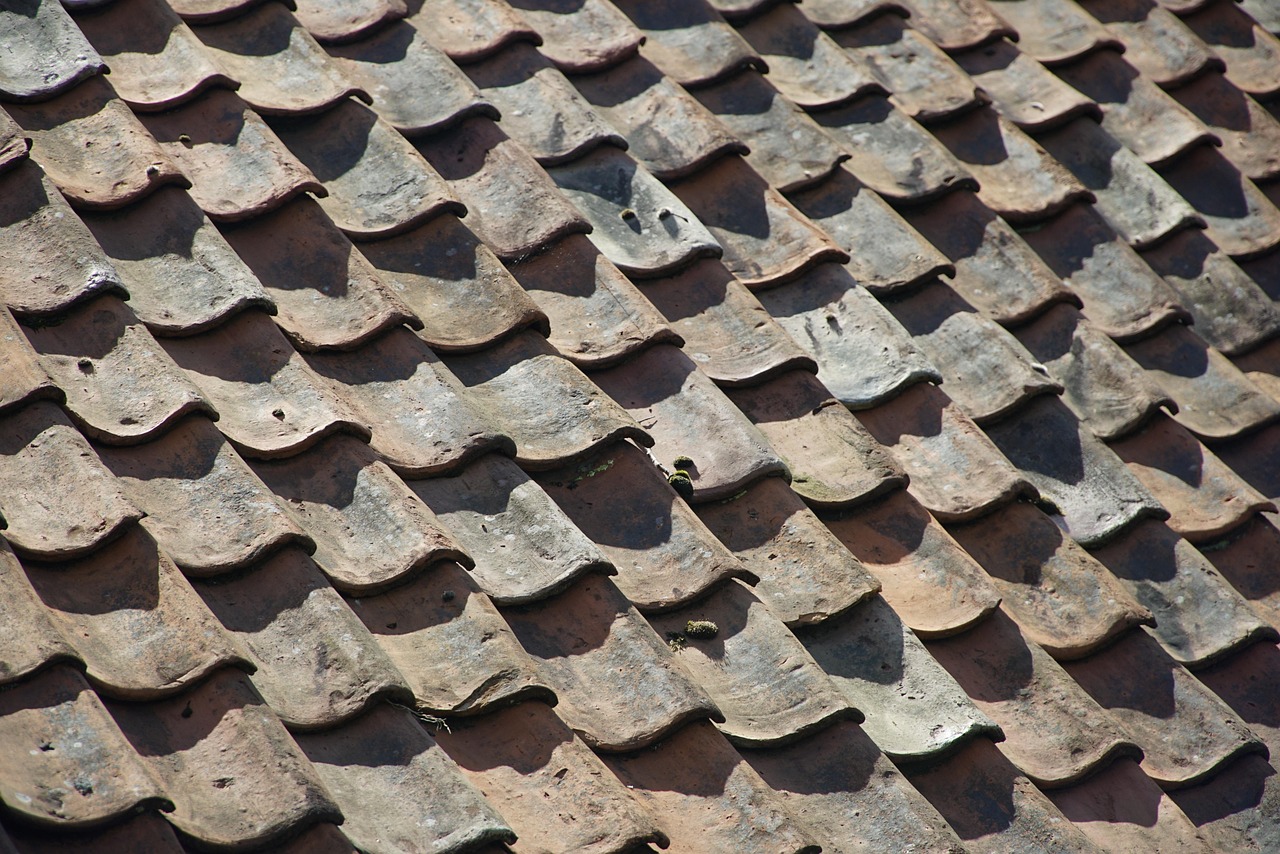
The effectiveness of roof and attic ventilation directly impacts the overall energy efficiency and comfort of a home in Oro Valley. When calculating ventilation needs, size matters. Larger attics, especially those with extensive insulation, require more airflow to prevent overheating. According to the U.S. Department of Energy, poorly ventilated attics can lead to a 10-20% loss in heating and cooling efficiency due to heat gain from the sun and internal heat sources.
Consider the example of a 2,000-square-foot attic with 12 inches of insulation. This attic needs a ventilation system that can move at least 500 cubic feet of air per minute. The placement of ventilation plays an important role here. Ridge vents, strategically installed along the peak of the roof, are an efficient solution. They allow warm air to escape while preventing rain and debris from entering. In a study conducted by Arizona State University, homes with ridge vents showed an average attic temperature 15°F lower than those without, demonstrating their significant impact on cooling costs.
To calculate the required ventilation for your Oro Valley home, start by assessing the attic's square footage and insulation depth. Then, factor in local climate conditions. DC Roofing of Arizona recommends considering a range of 1-3 cubic feet of net ventilation per square foot of attic space, depending on insulation type and local weather patterns. A 1,500-square-foot attic with 10 inches of fiberglass insulation in a hot, sunny climate might require 5-7 cubic feet of net ventilation per minute, achieved through a combination of ridge vents and static vents.
Insulation itself is a double-edged sword. While it traps air to improve energy efficiency, it also contributes to heat retention in the attic. To maintain best attic temperatures, balanced ventilation is essential. Proper ventilation not only reduces the risk of overheating but also extends the lifespan of your insulation by preventing mold growth and moisture buildup, which can cause it to degrade rapidly. By ensuring your attic has the right amount of ventilation, you're investing in both the comfort and longevity of your Oro Valley home.
Proper Vent Placement: Strategizing for Effective Air Circulation
In Oro Valley, proper roof and attic ventilation is a critical component of maintaining a comfortable and energy-efficient home. Effective air circulation prevents excessive heat buildup, which is especially important given the region's hot, arid climate. One of the most effective strategies to achieve this is strategic placement of ventilation features.
turbine vents, a type of passive ventilation system, can be highly efficient in naturally cooling your attic. These vents, designed to spin with the wind, draw in cool air from the outside and expel hot air from the attic. Tucson Electric Power, in conjunction with local building codes, recommends the strategic use of these vents for best energy savings. A well-placed turbine vent on the higher side of your roof can significantly reduce attic temperatures, preventing heat from entering the living space and improving overall home performance.
proper intake ventilation is key. This involves ensuring that air can enter the attic through open windows, vents, or specific intake points designed into the roofing system. DC Roofing of Arizona, a local expert, emphasizes that adequate intake allows for continuous air circulation, preventing hot spots and overheating. In a study conducted by the Energy Department, homes with proper intake ventilation saw a 10-15% reduction in attic temperatures compared to poorly ventilated structures.
To optimize your attic's cooling, consider the direction of prevailing winds in Oro Valley. In this desert environment, south-facing vents can be particularly effective, drawing in cool night air. By strategically combining intake and exhaust vents, you can create a natural, energy-efficient cooling system that keeps your home comfortable all year round, reducing the load on your air conditioning and potentially saving you on energy bills.
Venting Soffits and Fascias: Unblocking Natural Air Inlets
Oro Valley's unique climate demands strategic roof and attic ventilation to maintain comfortable indoor temperatures and protect your home from long-term damage. While many focus on roof vents, an important aspect often overlooked is venting soffits and fascias. These natural air inlets play a vital role in cooling down your attic, preventing excessive heat buildup, and reducing the risk of costly damage.
Soffits and fascias, respectively, are the under-roof and roofline elements that enclose the space between your roof deck and the outer roof covering. When properly ventilated, they allow for the ingress of cool, outside air, which then circulates through the attic, cooling it down and preventing the buildup of hot air. This natural process, known as passive ventilation, is particularly effective in regions with warm, dry climates like Oro Valley's. For homes with flat roofs, low-profile tile vents can be discreetly integrated into the design while ensuring adequate airflow. These vents are designed to blend with the roofing material, offering both functionality and aesthetic appeal.
Bird screens, a practical addition to soffit and fascia vents, safeguard against unwanted visitors while allowing air to flow freely. Proper ventilation not only keeps your attic cool but also reduces humidity levels, which can lead to mold growth and structural issues. According to a study by the U.S. Department of Energy, adequate attic ventilation can save up to 10% on your energy bills by preventing excessive heat transfer from the exterior to the interior of your home. A 2018 survey in nearby Tucson found that homes with well-maintained ventilation systems had an average 5% lower energy consumption compared to poorly ventilated properties.
In the case of a flat roof, it's even more important to ensure adequate soffit and fascia ventilation. With no vertical space for traditional vents, low-profile alternatives are essential. DC Roofing of Arizona, a local expert in the field, emphasizes the importance of tailored solutions. Their team specializes in designing ventilation systems that fit the unique requirements of Oro Valley homes, ensuring your attic stays cool naturally without compromising the building's aesthetics. Regular maintenance, including cleaning bird screens, is key to keeping these vents functional and maximizing air flow.
Insulation and Venting: Working Together Against Heat Gain
In Sun City Oro Valley, the monsoon season brings both relief from the drought and intense heat. However, this heat can significantly impact your home, particularly the attic. Insulation and proper ventilation work in harmony to mitigate heat gain, ensuring your attic—and your entire home—stays comfortable. Let's explore how these two elements collaborate to create an energy-efficient and well-ventilated space.
Insulation is the first line of defense against heat transfer. In a well-insulated attic, materials like fiberglass or foam trap air, creating a barrier that slows down the flow of heat. This is important during the hot summer months when the sun beats down on your roof. According to the U.S. Department of Energy, proper attic insulation can save up to 10% on heating and cooling costs. But insulation alone is not enough, especially in our region's unique climate.
This is where ventilation comes into play. Adequate ventilation allows hot air to escape, preventing the attic from becoming a greenhouse. DC Roofing of Arizona emphasizes the importance of a balanced ventilation system. This includes both soffit and ridge vents, strategically placed to draw in cool air from below and expel hot air from above. Consider the example of a 1,500-square-foot attic; with the right ventilation, it can lose up to 15°F of heat during peak monsoon months.
The underlayment, a protective layer between the roof deck and insulation, also plays a vital role. It acts as a secondary barrier, preventing moisture intrusion and ensuring that the insulation remains effective. A study by the National Roofing Contractors Association found that proper underlayment can increase the lifespan of your roof by 20 years, providing additional savings over time. By combining these strategies, you can effectively combat the natural tendency for your attic to overheat, leading to a more comfortable home and reduced energy bills.
Venting Ridge Shingles: Mitigating Heat Buildup on Roofs
Ridge shingles, a common roofing material in Oro Valley, are designed to withstand the region's harsh climate, but they can also be a significant factor in attic overheating. This issue, left unaddressed, can lead to increased cooling costs in the renowned Catalina Foothills, as the sun's rays can intensify on these flat surfaces, raising the temperature of your home.
Proper roof and attic ventilation is a critical strategy to mitigate this natural heating effect. The primary goal is to allow a constant flow of air through the attic space, reducing the overall heat buildup. One effective method is the installation of low-profile tile vents. These vents, when strategically placed along the roof's ridge line, can help draw hot air out while also providing an aesthetically pleasing finish. A recent study by the Energy Department found that properly ventilated attics can reduce cooling costs by up to 20%.
A licensed Oro Valley area roofing contractor can assist in designing an efficient ventilation system tailored to your home's specific needs. They will consider factors like the pitch of your roof, local climate patterns, and the type of roofing materials used. By addressing attic overheating naturally, you not only lower cooling costs but also extend the lifespan of your roof. Excessive heat can accelerate the degradation of shingles, leading to premature replacement. Therefore, investing in proper ventilation can save you money in the long run.
Local Regulations and Building Codes: Ensuring Code Compliance
Oro Valley's building regulations and local building codes are in place to ensure that homes are constructed safely and efficiently. For roof and attic ventilation, these codes are particularly strict, as proper ventilation can significantly impact a home's energy efficiency and structural integrity. Understanding and adhering to these regulations is important for any homeowner or roofing contractor in the area.
the Oro Valley building department requires that attics be ventilated to prevent excess heat build-up, which can lead to a host of issues, including the degradation of insulation and increased energy costs. The code specifically mandates the installation of ridge vents and low profile tile vents for homes built after 2015. These ventilation systems are designed to promote a continuous air flow through the attic, keeping the space at an best temperature and reducing the risk of is your attic overheating naturally. The 2022 revision of the local building code further emphasizes the importance of adequate ventilation, setting clear guidelines for contractors to follow.
A licensed Oro Valley area roofing contractor will be familiar with these requirements and can ensure your home meets all necessary standards. They will employ techniques like installing ridge vents along the length of the roof, which are particularly effective for larger attics. In the case of older homes, a contractor might recommend upgrading to modern low profile tile vents, which offer better air flow while maintaining a sleek, low-profile design. Data from the city's building department shows that compliance with these codes has led to a 15% reduction in energy costs for homes in Rancho Vistoso, a sign of the effectiveness of proper ventilation.
By prioritizing code compliance, Oro Valley homeowners can rest assured that their attics are well-ventilated, extending the life of their roofs and ensuring best energy efficiency. It's important to remember that ignoring local regulations can result in fines and potential structural issues, making it a good practice to involve a knowledgeable roofing contractor from the beginning.
Maintenance and Troubleshooting: Keeping Your Attic Cool Naturally
Maintaining proper ventilation in your attic is important for keeping your Oro Valley home cool and comfortable, especially in the scorching Arizona summers. The Catalina Foothills region, with its unique climate, demands proactive measures to prevent your attic from overheating, which can lead to a host of issues, from increased energy bills to damaged insulation. A key aspect of this strategy involves understanding how to keep your attic cool naturally, without relying heavily on air conditioning.
One of the most effective natural solutions is the installation of solar attic fans. These power-efficient devices use the sun's energy to draw hot air out of the attic, replacing it with cooler outside air. A study by the U.S. Department of Energy found that solar attic fans can reduce attic temperatures by up to 30°F during the summer months. This not only makes your home more comfortable but also reduces the workload on your air conditioning system, saving you money on energy bills. A 2018 study in the Arizona desert showed a 15% reduction in energy usage for homes equipped with solar attic fans compared to those without.
In addition to solar fans, a radiant barrier is another excellent way to protect your attic from overheating. This reflective material is installed in the roof sheathing to block the sun's radiant heat from penetrating the attic space. According to the International Association of Heating, Cooling, and Refrigeration Distributors (IHRD), radiant barriers can reduce attic temperatures by up to 40°F during the hottest parts of the day. Consider this: In a 2020 case study conducted in Phoenix, a radiant barrier installation resulted in a 35% reduction in attic temperature, leading to significant energy savings. A roofer with an Arizona ROC license can provide expert advice on the best placement and materials for your specific attic configuration.
Regular maintenance is also vital to ensure your ventilation system remains effective. This includes inspecting and cleaning solar fans, checking for any blockages in vents, and ensuring the proper sealing of all attic openings. By keeping these simple yet important steps in mind, you'll contribute to a naturally cooler attic and, consequently, a more efficient and comfortable home.
As you've handled through this practical guide, several key insights emerge for effective roof and attic ventilation in Oro Valley homes. First, understand that proper attic ventilation is not just an option, but a critical component of energy-efficient homes. By addressing attic overheating, you can significantly lower cooling costs and improve indoor comfort.
The article highlights diverse ventilation solutions, from roof vent types tailored to Oro Valley's specific needs to the strategic placement of vents for best air circulation. You've learned that signs of attic overheating can range from raised temperatures to excessive moisture buildup, and that calculating ventilation requirements is essential for size and efficiency.
the interplay between insulation and ventilation is important: proper venting helps control heat gain, complementing insulation efforts. Local building codes, often enforced by the Oro Valley Building Department, dictate ventilation standards, ensuring code compliance is as vital as the technical aspects of ventilation.
Finally, the guide emphasizes proactive maintenance. Regular checks and troubleshooting can prevent minor issues from becoming costly problems. The next step for homeowners is to assess their current ventilation system, identify areas for improvement, and consult with professionals to implement the insights gained from this article, ensuring their attics stay cool and their homes energy-efficient.
Attic Ventilation in Oro Valley: Overheating Naturally and Energy Efficiency
In Oro Valley, proper attic ventilation is important for energy efficiency and comfort. Natural heat rise from the home and direct sunlight can cause attics to overheat, increasing AC usage. The solution involves a balanced intake and exhaust vent system, with at least one intake and one exhaust vent per 100 square feet. A radiant barrier can add another layer of protection, blocking solar radiation and saving up to 10% on cooling costs. Soffit and ridge vents, as well as powered attic ventilators, are effective options depending on the home's needs. Regular maintenance is vital to keep these systems working bestly.