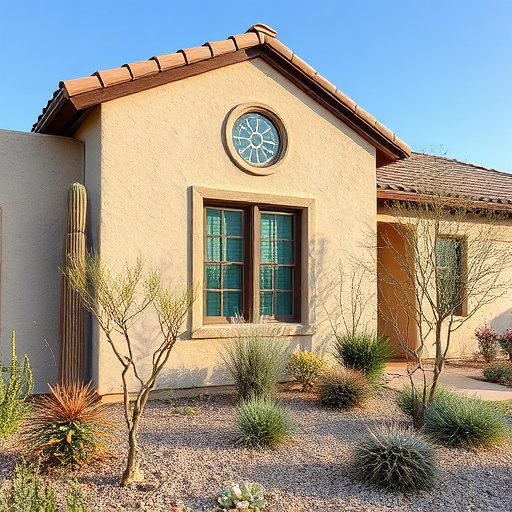
In the harsh desert heat, proper ventilation is more than just a comfort-it's a matter of health and home preservation. Flat roofs and homes with no attic present unique challenges, as these designs often lack the traditional ventilation points. This makes maintaining a cool, dry, and healthy indoor environment crucial, preventing issues like mold growth, reduced underlayment life, and energy-inefficient cooling bills. This guide examines the essential ventilation options for these structures, focusing on solutions like whole house fans, passive ventilation, and low-profile tile vents, which not only enhance comfort but also contribute to the longevity of your home. Let's explore how to effectively ventilate these spaces, ensuring a comfortable and safe living environment, especially during the desert's scorching summers.
- Assessing Flat Roof Ventilation Needs in Desert Heat
- Understanding Passive and Active Ventilation Strategies
- Vaulted Ceiling Ventilation: Design and Installation Tips
- Choosing the Right Ventilation System for Your Home
Assessing Flat Roof Ventilation Needs in Desert Heat
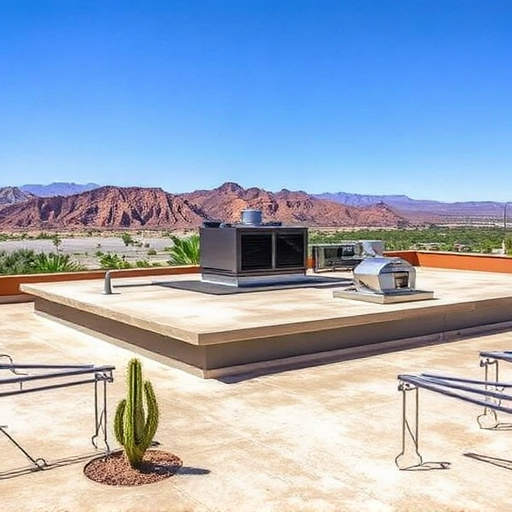
Assessing Flat Roof Ventilation in Desert Heat
In the arid heat of Tucson, proper ventilation goes beyond aesthetic considerations. It's a critical component of your home's structural integrity, energy efficiency, and indoor air quality. For homes with flat roofs or no attic, addressing ventilation needs takes on added complexity. These structures often lack the traditional ventilation mechanisms, like ridge vents or soffit vents, found in sloped roofs. Understanding the unique challenges of flat roofs in desert climates is essential for homeowners and professionals alike.
A roofer with an Arizona ROC license knows that flat roofs require strategic ventilation solutions to mitigate problems like heat build-up, moisture accumulation, and mold growth. Unlike sloped roofs, which benefit from passive ventilation through ridge and soffit vents, flat roofs demand more active approaches. Intake and exhaust balances become crucial, ensuring a continuous flow of fresh air. Consider the example of a flat roofed casita in Oro Valley; proper ventilation here not only prevents heat-related damage but also enhances the comfort of occupants, especially during the intense summer months.
To address these challenges, experts recommend a multi-faceted approach. Installing low-profile tile vents or incorporating whole house fans can significantly improve air circulation. For homes with no attic, these fans draw cool air from the exterior, pushing hot air out through strategically placed exhaust vents. Soffit vents play a vital role in flat roof ventilation, especially in stucco homes. These vents allow for controlled intake of fresh air, reducing the risk of heat-related issues and ensuring optimal performance of cooling systems. By balancing intake and exhaust, these ventilation strategies work together to create a healthy, comfortable indoor environment.
Understanding Passive and Active Ventilation Strategies

When considering ventilation for a flat roof or a home with no attic, understanding the difference between passive and active ventilation strategies is key. These approaches play a vital role in maintaining a comfortable indoor environment, especially in the unique climate of Sun City Oro Valley, where desert heat can be intense.
Passive ventilation relies on natural airflow to circulate air, relying on factors like wind, temperature differences, and solar gain. A simple example is opening windows at opposite sides of a room to create a cross breeze. In the context of flat roofs or homes without attics, this could mean incorporating strategically placed vents or openings that allow external air to enter and internal air to escape, particularly in areas like bathrooms or kitchens where moisture can accumulate. A local roofing company serving Oro Valley might recommend installing soffit vents along the edge of the roof, allowing cooler air to enter as warmer air escapes, creating a natural flow. Another passive strategy is using radiant barriers, which reflect heat and help keep the roof and home cooler, reducing the need for active cooling systems.
Active ventilation, on the other hand, involves mechanical devices to move air. This includes whole-house fans, which draw cool air from the exterior and distribute it throughout the home, and solar attic fans, which run on solar power to expel hot air from the attic. Ridge vents, commonly found on pitched roofs, are a type of active ventilation, as they create a continuous path for air to flow through the roof, helping to reduce heat buildup. In the case of flat roofs, low-profile tile vents or similar passive ventilation solutions can be incorporated to maintain a cool interior. For homes with no attic, proper venting under the roof deck and using exhaust fans in bathrooms and kitchens are active ventilation methods to ensure air movement and prevent moisture buildup, a common issue in monsoon seasons.
When designing or retrofitting a ventilation system, it's crucial to consider factors like dust screens to prevent external debris from entering the home, especially in areas like Sun City Oro Valley, known for its unique environmental conditions. Balancing intake and exhaust vents is also essential, as improper ratios can lead to stagnant air or even allow moisture infiltration. Experts recommend consulting with professionals to determine the optimal ventilation solution, taking into account the unique needs of the structure and the local climate.
Vaulted Ceiling Ventilation: Design and Installation Tips
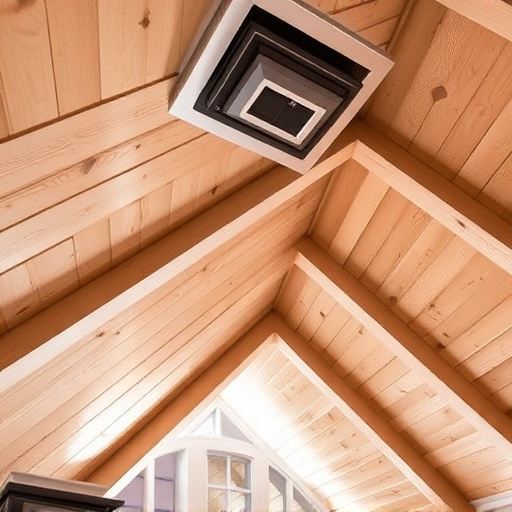
For cooling a home in the desert heat, options for effective ventilation extend beyond the traditional attic system. For homes with flat roofs or no attic, vaulted ceiling ventilation becomes a crucial strategy for maintaining comfortable indoor temperatures and improving air quality. This is particularly important in Oro Valley, where high temperatures and unique weather patterns demand innovative cooling solutions.
Vaulted ceiling ventilation is designed to facilitate the natural flow of air, ensuring a constant supply of fresh, cool air and minimizing the build-up of heat and moisture. This is especially beneficial for homes with stucco exteriors, where proper ventilation can prevent the formation of damaging attic mold during the monsoon season. One of the most effective methods for achieving this is through the strategic placement of gable vents. These vents, installed along the length of the roof, allow hot air to escape while drawing in cool air from the sides, creating a cross-ventilation effect. This is crucial for maintaining a balanced intake and exhaust system, which is key to preventing excessive attic heating.
Installation of vaulted ceiling ventilation systems requires careful consideration of the home's unique layout and architectural features. An experienced Oro Valley roof specialist recommends positioning vents at regular intervals, taking into account factors like ceiling height and the overall design of the roof. In homes with flat or low-sloped roofs, low profile tile vents can be an excellent choice, offering discreet yet efficient air flow. In more complex designs, such as those featuring casitas or additions, additional venting strategies may be necessary to ensure optimal upstairs room comfort and prevent HVAC duct issues that can arise from excessive attic overheating. The goal is to maintain a comfortable attic temperature year-round, thereby reducing the workload on cooling systems and contributing to long-term energy efficiency.
Choosing the Right Ventilation System for Your Home
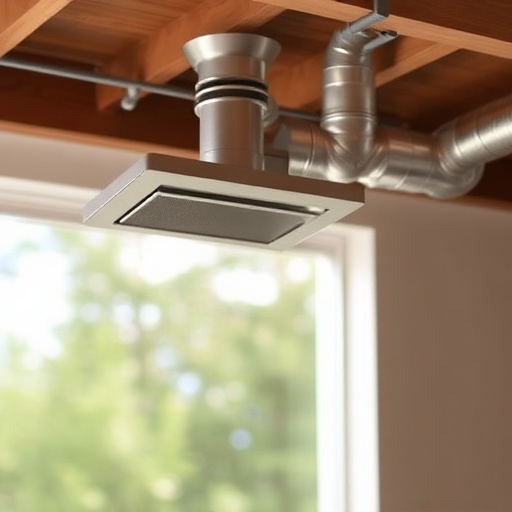
For ventilating homes with no attic or flat roofs, the options can seem as vast as the desert heat that challenges these structures. As a local roofing company serving Oro Valley, we've seen firsthand the unique challenges these designs present for effective ventilation. Unlike traditional pitched roofs with ample headroom, these spaces often lack the necessary areas for traditional venting methods. However, with the right approach, you can ensure a cool, comfortable, and healthy living environment.
For flat roofs and homes without an attic, turbine vents and soffit vents are popular choices. Turbine vents, as the name suggests, harness the power of air currents to draw in fresh air and expel hot air, much like a small wind turbine. They're particularly effective in areas with consistent wind patterns. Soffit vents, on the other hand, are strategically placed openings under the eaves that allow air to enter the roof space, providing a constant flow of cool air. When paired with bird screens, these vents create a balanced intake and exhaust system, preventing unwanted guests like birds and insects while still allowing for adequate ventilation.
Another innovative solution for vaulted ceiling ventilation in homes with no attic is the use of whole-house fans. These powerful devices draw in cool night air and circulate it throughout your home, effectively displacing hot, stagnant air. While not a traditional ventilation system, whole-house fans can be a cost-effective and energy-efficient way to cool your home during the desert summer. Consider the climate and your specific needs when choosing a ventilation system. If your home is primarily used during the cooler evenings, a whole-house fan might be ideal. Conversely, if consistent cross-ventilation is crucial for maintaining a comfortable temperature during the day, strategically placed soffit vents and turbine vents could be the answer.
Frequently Asked Questions About a Guide to Ventilation Options for Flat Roofs and Homes with No Attic
What are the unique challenges of ventilating a flat roof?
Flat roofs present specific challenges for ventilation due to their low slope or flat surface. Without proper ventilation, they can be prone to excessive heat buildup, which may lead to damage to the roofing materials and the building's interior. Traditional ventilation methods like pitched roofs allow for natural air movement, but flat roofs require alternative solutions, such as mechanical or passive ventilation systems, to effectively regulate temperature and humidity.
How does lack of an attic impact ventilation needs?
Homes without an attic often rely on roof-level ventilation to control temperature and moisture. Since the attic space is absent, heat and humidity can directly impact the living areas below. Adequate ventilation at the roofline becomes crucial to prevent heat entrapment and ensure the efficiency of air conditioning systems. Proper roof-level ventilation helps maintain a balanced indoor environment, reducing energy costs and extending the lifespan of the roof.
What are the most effective ventilation methods for flat roofs?
There are several effective ventilation methods for flat roofs, each offering distinct advantages:
-
Mechanical Ventilation: This involves the installation of fans and ducts to actively draw out hot air and draw in cooler air from the outside. It provides precise control over air flow and is particularly beneficial in extreme climates.
-
Passive Ventilation: Utilizing natural wind and temperature differences, passive ventilation systems include vents, openings, and channels designed to promote air circulation. This cost-effective method relies on the building's orientation and local climate patterns.
-
Dehumidifiers: For homes with high humidity issues, dehumidifiers can be integrated into the ventilation system. They extract moisture from the air, preventing mold growth and improving indoor comfort.
Are there any code requirements I should be aware of?
Local building codes and regulations dictate specific ventilation requirements for residential structures, including those with flat roofs. Ensure that any ventilation system installed complies with these codes to maintain safety and energy efficiency. Professional consultation from a licensed Tucson garage door service, like Eddies Garage Door Service, can help navigate these requirements and ensure your system meets all necessary standards.
How do I determine the best ventilation solution for my home?
The optimal ventilation solution depends on various factors, including climate, roof design, and specific comfort needs. Consider the following:
- Climate: Extreme temperatures and humidity levels influence ventilation needs.
- Roof Design: The shape, size, and materials used in the roof can affect airflow patterns.
- Indoor Comfort: Personal preferences and comfort levels play a significant role in determining the desired ventilation system.
A specialist, like a Tucson garage door technician from Eddies Garage Door Service, can assess your home and recommend tailored ventilation solutions.
Understanding how to ventilate a flat roof or a home with no attic is crucial for maintaining comfort and health in the intense desert heat. This guide has explored various ventilation options, emphasizing the importance of passive and active strategies, especially in challenging climates like Tucson. Key takeaways include the benefits of vaulted ceiling ventilation, which offers efficient air circulation while enhancing the aesthetics and functionality of your home. By carefully assessing your needs, considering the balance of intake and exhaust vents, and choosing the right system, such as whole house fans or low-profile tile vents, you can significantly improve energy efficiency and reduce cooling bills.
The article's insights empower homeowners and contractors to make informed decisions about roof ventilation, addressing common myths and misconceptions. Moving forward, consider the following practical steps: assess your current ventilation setup, consult with local experts like Oro Valley Roofing Experts or the Indoor Air Quality Experts, and explore community grant opportunities to fund cost-effective, sustainable ventilation upgrades. These measures will not only enhance your home's comfort and air quality but also contribute to a healthier, more sustainable community.
Ventilating Flat Roofs in Desert Heat:
In Tucson's arid climate, proper ventilation goes beyond aesthetics for homes with flat roofs or no attics. These structures require strategic active ventilation solutions to combat heat build-up, moisture, and mold. Key methods include:
- Low-profile tile vents or whole house fans for active intake and exhaust.
- Soffit vents for controlled fresh air intake in stucco homes.
- Balanced intake and exhaust to prevent stagnant air and moisture issues.
- Consulting professionals for tailored ventilation solutions considering local climate.
Vaulted Ceiling Ventilation is crucial for cooling these homes, with soffit vents and turbine vents offering effective cross-ventilation. Whole-house fans are also viable for energy-efficient cooling during cooler evenings. The goal is a comfortable, healthy indoor environment, especially during intense summer heat.