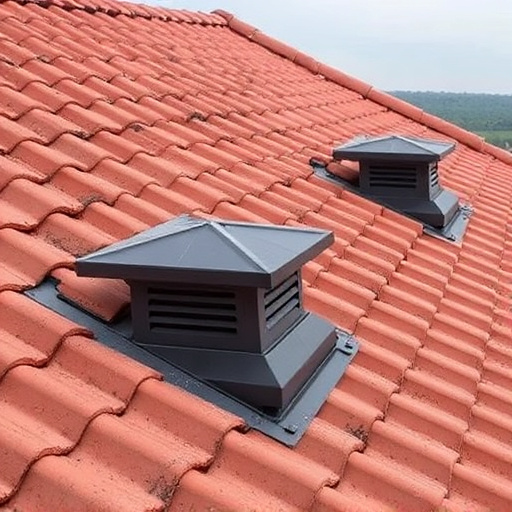
In the harsh desert heat, your roof plays a crucial role in keeping your home cool and comfortable. Poor roof ventilation, however, can turn your attic into a breeding ground for moisture and mold, especially during monsoon season. This can not only shorten the lifespan of your roofing materials but also pose serious health risks, particularly for allergy sufferers and respiratory health advocates. Understanding the signs of poor ventilation - like excessive heat buildup, visible mold growth, or unusual musty smells - is key to preserving your home's integrity and the well-being of your family. In this article, we'll guide you through effective strategies to spot these issues and ensure optimal roof ventilation, ultimately revolutionizing your home's comfort and safety.
- Identify Venting Issues in Desert Heat
- Signs of Inadequate Attic Airflow
- Monsoon Humidity and Attic Mold
- Preventing Roof Ventilation Problems
Identify Venting Issues in Desert Heat
In the desert heat of Oro Valley, inadequate roof ventilation can lead to a host of issues, with one of the most concerning being attic mold growth during the monsoon season. Proper ventilation is crucial for maintaining a healthy, comfortable home, and identifying signs of poor ventilation is the first step towards a solution. At DC Roofing of Arizona, our local ventilation specialists understand the unique challenges posed by the climate and are equipped to assess and address these problems.
One of the most common indicators of inadequate ventilation is an imbalance in intake and exhaust systems. In a well-ventilated home, fresh air enters through soffit vents, located under the roof overhang, while stale air escapes through ridge vents or vents in the roof's peak. However, in desert heat, where radiant barriers are often used to reflect solar heat, improper placement or a lack of intake vents can trap hot, moist air in the attic. This can lead to an over-humidified environment, a breeding ground for mold, and potential structural damage. A home with stucco siding may have soffit vents blocked by the material, impeding airflow and exacerbating the problem.
Poor ventilation can also be a result of inefficient or poorly installed venting systems, especially under concrete tile roofs. These roofs, while durable, can trap heat and moisture if not properly vented. Solar attic fans, which draw air through the roof, can be a solution, but they must be correctly sized and installed. Our experts at DC Roofing of Arizona recommend regular inspections to ensure vents remain clear of debris and are properly aligned for optimal airflow. We also advocate for whole-house fan systems, which can cool the entire home during cooler desert evenings, reducing the need for energy-intensive air conditioning. By addressing intake and exhaust imbalances and implementing effective ventilation strategies, homeowners can mitigate the risk of attic mold and improve overall home comfort.
Signs of Inadequate Attic Airflow
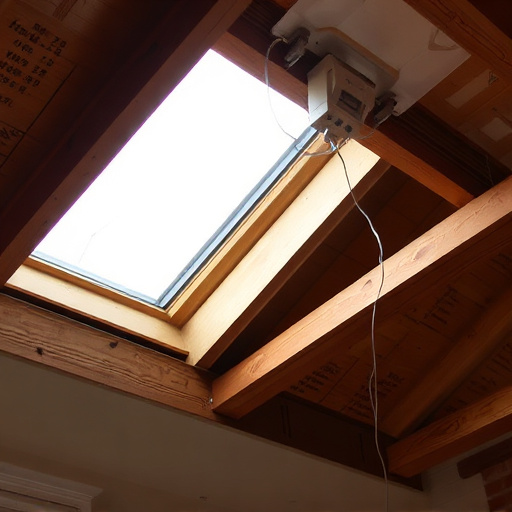
In the harsh desert climate, inadequate roof ventilation can lead to a host of issues, particularly for your attic. The primary culprit behind many of these problems is poor airflow, which can cause not only uncomfortable living conditions but also significant damage to your home. One of the most concerning effects is the development of attic mold during monsoon season, as stagnant, humid air creates the perfect environment for its growth. This not only compromises the air quality inside your home but can also result in costly repairs.
Spotting the signs of inadequate attic airflow is crucial for maintaining a healthy and energy-efficient home. One of the most obvious indicators is an unusual amount of heat buildup in your attic. During the summer months, the desert heat can quickly transform your attic into a sauna if proper ventilation is lacking. This excess heat not only makes your home less comfortable but can also put additional strain on your cooling system, leading to higher utility bills. Another telltale sign is the presence of moisture or water stains on your attic's surfaces. Excessive humidity can cause wood to rot and insulation to become less effective, creating the conditions for mold growth.
Inadequate ventilation can also manifest as a persistent musty smell or poor air quality inside your home. If your living spaces feel stale or you experience respiratory discomfort, it could be an indication that your attic isn't venting properly. You might notice an increase in dust or pest activity. Soffit vents, designed to draw fresh air into the attic, can become clogged by bird nests or debris, hindering airflow. To address these issues, consider implementing additional turbine vents or cleaning out existing vents, including those on your roof's ridge and soffits. A licensed Arizona roofer can provide expert advice on the best venting solutions for your specific home, ensuring proper exhaust and intake balance for optimal air circulation. Low-profile tile vents and whole-house fan systems can be highly effective in improving ventilation while minimizing aesthetic disruption.
Monsoon Humidity and Attic Mold
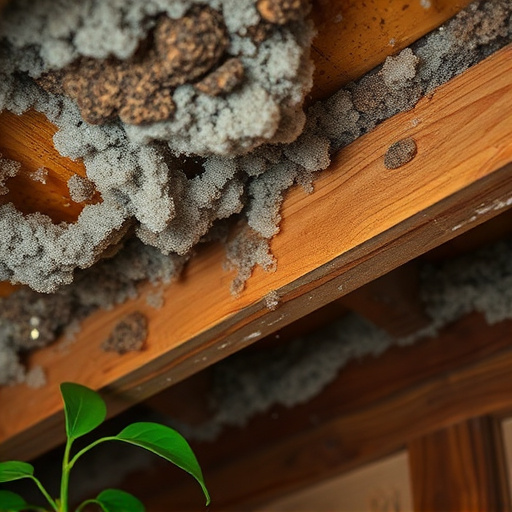
Monsoon season brings unique challenges for homes in Sun City Oro Valley. The intense heat and high humidity can wreak havoc on your roof, leading to a problem that many homeowners overlook: attic mold in monsoon humidity. This issue is not only unsightly but can also cause serious structural damage and health risks. An experienced Oro Valley roof specialist advises that the key to preventing this lies in proper roof ventilation.
Flat roofs are particularly vulnerable in desert heat. Without adequate intake and exhaust vents, hot air gets trapped, leading to increased moisture buildup. This creates the perfect environment for mold and mildew to flourish. The most common signs of poor ventilation include moldy or discolored spots on the roof or in the attic, unusual musty smells, and increased energy bills due to the extra workload on your air conditioning system. A home with inadequate soffit vents on a stucco roof may show signs of mold growth, especially during the humid monsoon months.
To combat this, consider implementing passive ventilation like ridge vents or solar attic fans, or invest in a whole-house fan for better air circulation. Ensure that your roof underlayment and ventilation screens are in top condition. By keeping out dust and pests, you maintain a healthy, balanced intake and exhaust system. Remember, proper ventilation is crucial not only for cooling your home but also for extending the life of your roof and ensuring the comfort of your upstairs rooms, especially during the challenging weather conditions Sun City Oro Valley faces during the summer months.
Preventing Roof Ventilation Problems
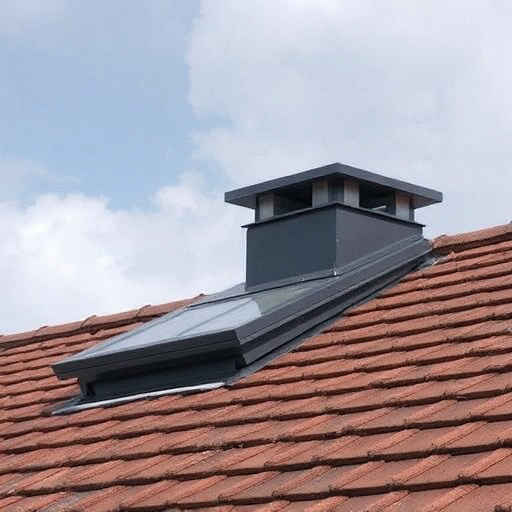
In the harsh desert heat of Sun City Oro Valley, proper roof ventilation is crucial to prevent a host of issues, including the growth of attic mold during the monsoon season. A licensed Arizona roofer often encounters homes with inadequate ventilation, leading to a variety of problems that can compromise both the health of its occupants and the structural integrity of the building. By understanding the signs of poor ventilation, homeowners can take proactive measures to ensure their roofs remain in top condition.
One of the most concerning signs is the accumulation of excess moisture in the attic. During the summer months, hot, humid air enters the attic, and without proper ventilation, this moisture can foster the growth of mold and mildew, especially in the monsoon climate. This is particularly problematic in homes with concrete tile roofs, where vents are often placed along the ridge line. To counter this, consider installing low-profile tile vents, which are discreet and effective in hot, sunny conditions. Ensuring a balanced intake and exhaust system is vital; this can be achieved by incorporating soffit vents, strategically placed to draw in fresh air from the sides of the home, complementing the ridge vents.
Another common issue is the infiltration of dust and birds' nests into ventilation systems, especially in homes with stucco exteriors. To mitigate this, install fine mesh dust screens on vents, blocking unwanted debris while allowing air to circulate. Similarly, bird screens are essential for preventing avian inhabitants from taking up residence in your roof vents. In cases where a home has no attic, proper ventilation can be achieved through whole-house fan systems, which draw cool air in during the evening and night, helping to lower indoor temperatures and improve energy efficiency.
Regular maintenance, such as checking for blocked or broken vents and ensuring underlayment is in good condition, is key to preventing attic mold in monsoon humidity. By heeding these signs and implementing effective ventilation solutions, homeowners in Sun City Oro Valley can enjoy a healthier, more comfortable living environment, while also extending the lifespan of their roofs.
Frequently Asked Questions About advice on spotting the signs of poor roof ventilation
What are the most common signs of poor roof ventilation?
Poor roof ventilation often manifests as noticeable problems within your home, such as excessive heat buildup during the desert summer, mold growth in attics or walls, and high energy bills. You might also see damage to shingles from wind or snow, water stains on ceilings or walls, and a musty odor. These symptoms usually point to inadequate or blocked ventilation systems.
How do I know if I have enough roof ventilation?
Ideal ventilation ensures a constant flow of fresh air through your roof, pushing out hot, moist air and preventing stagnation. Inspect your attic or crawl space for vents along the ridgelines, soffits, and at the roof's base. These vents should be unobstructed and evenly spaced. Also, check if the venting runs down the entire length of the roof, as short or blocked vents can cause hot spots and excessive moisture buildup.
Can poor roof ventilation damage my roof?
Absolutely. Lack of proper ventilation can significantly shorten your roof's lifespan. Extreme heat can cause shingles to deteriorate faster, while excess moisture promotes mold and bacterial growth, eating away at the roof structure. This can lead to leaks, structural damage, and the need for costly repairs or premature roof replacement.
When should I consider hiring a roofing contractor to address ventilation issues?
If you notice the signs of poor ventilation mentioned above, it's advisable to contact a licensed roofer like DC Roofing of Arizona. They can conduct a thorough inspection, pinpoint the problem areas, and recommend solutions tailored to your specific situation. A professional contractor will ensure the right type and placement of vents, enhancing your home's energy efficiency and protecting its structural integrity.
What are the benefits of proper roof ventilation?
Proper ventilation offers multiple benefits, including:
- Reduced energy costs: By keeping your attic cool, adequate ventilation reduces the workload on your air conditioning system.
- Improved indoor air quality: Proper ventilation prevents the buildup of mold, mildew, and other allergens, promoting healthier living conditions.
- Extended roof lifespan: By mitigating heat damage and moisture buildup, proper ventilation protects your roof from premature wear and tear.
Is there a specific time of year I should focus on checking my roof ventilation?
While it's beneficial to regularly inspect your ventilation system throughout the year, the summer months are particularly crucial. In the desert heat, your attic can heat up significantly, making proper ventilation even more essential to prevent damage to your roof and home.
In the desert heat, understanding the signs of poor roof ventilation is crucial for maintaining a healthy, comfortable home. We've explored several key areas: identifying venting issues specific to this arid climate, recognizing the telltale signs of inadequate attic airflow, and learning how monsoon humidity can foster attic mold. By addressing these problems proactively, homeowners can prevent costly repairs and ensure their family's well-being.
The next step is clear: work with a local ventilation specialist, like DC Roofing of Arizona, to assess your home's current ventilation system. They can recommend solutions tailored to your specific needs, such as adding or upgrading soffit vents, installing low-profile tile vents, or incorporating whole-house fans. Regular maintenance, including checking for vent screens and ensuring proper intake and exhaust balance, is also vital.
By taking these measures, you'll not only improve energy efficiency and reduce cooling bills but also create a healthier living environment. You'll be better equipped to combat the challenges of desert heat, including the potential for attic mold in monsoon humidity, ensuring your home remains a safe, comfortable sanctuary all year round.
In desert heat, inadequate roof ventilation leads to attic mold growth during monsoon season, impacting air quality and home comfort. Signs include heat buildup, moisture stains, musty smells, and increased dust/pest activity. Poor ventilation can be caused by imbalances in intake and exhaust systems, inefficient venting under concrete tile roofs, or blocked soffit vents on stucco siding. Solutions include solar attic fans, whole-house fan systems, and regular vent maintenance. A licensed Arizona roofer can assess and address these issues, ensuring optimal airflow and a healthy home environment.