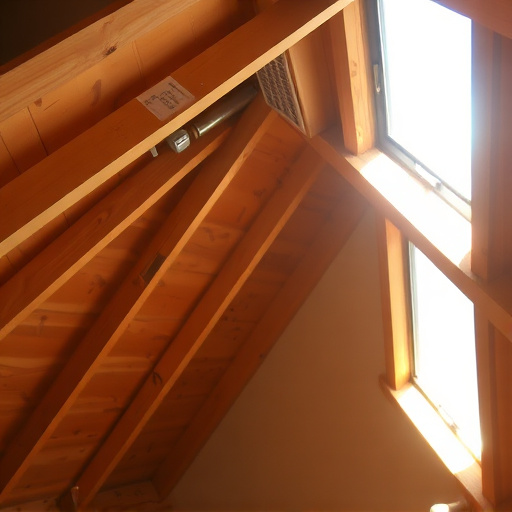
In the harsh desert heat, your roof vents are a crucial line of defense against a trio of problems: dust, pests, and monsoon rain. Effective ventilation not only ensures these intrusions don't disrupt your home's comfort but also matters in prolonging the life of your roof and underlayment, and keeping your cooling bills manageable. This is especially true for homes with flat roofs, vaulted ceilings, or those built without an attic, where proper ventilation can be more complex.
The solution lies in understanding the nuances of roof ventilation, from the benefits of low profile tile vents in desert climates to the importance of balancing intake and exhaust. By mastering these, you can keep your home comfortable, protected, and energy-efficient.
- Protecting Roof Vents: A Practical guide
- Dust, Pests, and Rain: Common Threats
- Low Profile Tile Vents: Installation and Benefits
- Maintenance Tips for Optimal Vent Performance
Protecting Roof Vents: A Practical guide

Protecting roof vents from dust, pests, and monsoon rain is crucial for maintaining a healthy, comfortable home in desert heat. An experienced Oro Valley roof specialist recommends a multi-faceted approach that goes beyond basic ventilation. Consider these comprehensive strategies, tailored to the unique challenges of the local climate and building materials.
In hot desert environments like ours, proper ventilation is key to preventing excessive heat buildup in your attic. Unlike traditional ridge vents, which are often inadequate in protecting against monsoon rain, off-ridge venting under concrete tile roofs offers superior protection against both elements. This method ensures a balanced intake and exhaust system, keeping your attic cool and dry. For stucco homes, soffit vents play a vital role in maintaining indoor air quality. They allow for efficient air circulation, preventing the accumulation of dust and moisture that can lead to attic mold growth, a common concern during the humid summer months.
Tucson Electric Power encourages homeowners to consider the benefits of low-profile tile vents. These vents are discreet, designed to blend into the roofline, and offer exceptional ventilation for flat roofs. When re-roofing or reroofing, prioritize upgrading ventilation systems to take advantage of modern solutions like solar attic fans. These fans, paired with effective vent screens, can significantly reduce dust and pest infiltration. Proper insulation, such as spray foam, can act as a radiant barrier, further mitigating heat transfer into your attic. By addressing these aspects, you not only enhance your home's energy efficiency but also ensure a healthier living environment, especially for allergy sufferers.
Dust, Pests, and Rain: Common Threats

Dust, pests, and monsoon rain pose significant threats to your roof ventilation system, especially in the unique climate of the desert heat. Oro Valley's challenging conditions require tailored solutions to ensure proper ventilation, prolonging the lifespan of your roof underlayment and maintaining optimal indoor air quality. This section examines the practical challenges and provides expert advice on mitigating these issues.
Flat roofs, common in the area, can be particularly susceptible to water intrusion if not properly vented. Monsoon rains bring the risk of leaks, especially if low profile tile vents are not installed correctly. These vents, designed to blend discreetly with the roofline, are a preferred solution by local roofing contractors due to their effectiveness and aesthetic appeal. Proper venting allows hot air to escape, preventing the build-up of moisture that can lead to mold and mildew, especially in the humid monsoon season.
Pests, such as roaches and ants, are also drawn to the warmth and humidity that can accumulate in poorly ventilated attics. Soffit vents, strategically placed under the roof's overhang, can help control these intrusions by facilitating air flow and reducing temperature extremes. By maintaining a balanced intake and exhaust system, you create an environment that is less welcoming to pests and dust particles. Regular inspections and maintenance, including cleaning vent screens, are crucial to ensuring the integrity of your ventilation system.
A licensed Oro Valley area roofing contractor can offer expert guidance on the best venting strategies for your specific home, taking into account factors like roof type, local climate, and potential pest issues. They can also recommend the most suitable low profile tile vents and soffit vent solutions to create a durable, efficient, and pest-resistant roof ventilation system. These measures, when properly implemented, will contribute to a healthier, more comfortable home environment.
Low Profile Tile Vents: Installation and Benefits
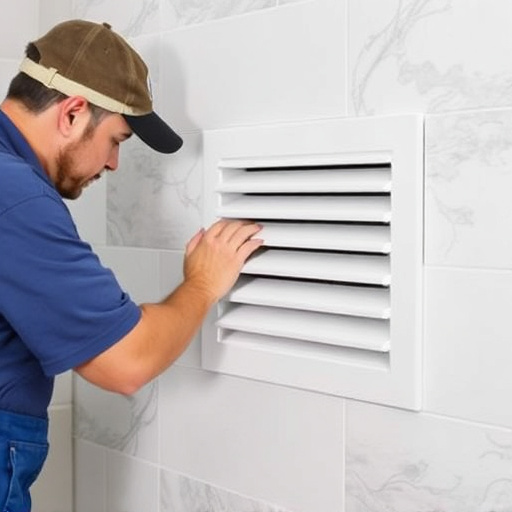
In the harsh desert climate of Oro Valley and the Catalina Foothills, proper roof ventilation is crucial for maintaining a healthy, comfortable home. One effective solution, often overlooked due to its discreet design, are low profile tile vents. These vents, installed directly into the roof tiles, offer a number of benefits: they minimize visual impact, allow for more efficient air circulation, and provide a robust defense against dust, pests, and monsoon rain.
Rancho Vistoso residents often face unique challenges for roof ventilation. The dense, low-lying vegetation and hot, humid summers create an environment ripe for dust and pest infiltration. Low profile tile vents, with their streamlined design, help to mitigate these issues. By allowing a steady flow of fresh air, these vents reduce the buildup of stagnant, humid air, making it harder for dust and pests to settle. Their discreet placement ensures that the aesthetic of your home remains unmarred, aligning with the desirable, natural look of many Rancho Vistoso properties.
Installation of low profile tile vents is a specialized task, best handled by a licensed Oro Valley area roofing contractor. The process involves seamlessly integrating the vents into your existing tile roof, ensuring both functionality and aesthetics. Proper installation is key to maximizing the benefits of these vents. Placing them in strategic locations, such as under the eaves or along the ridgeline, can create a cross-breezing effect, further enhancing air circulation and reducing heat buildup in the attic.
To dust and pest control, low profile tile vents can significantly improve the energy efficiency of your home, reducing cooling bills. By venting hot air effectively, these vents help to regulate the temperature in your attic, which in turn can extend the life of your roofing underlayment. This is particularly important in the extreme desert heat, where rapid temperature changes and intense sunlight can take a toll on your roof. A well-ventilated attic also reduces the risk of mold growth, a common issue in the monsoon season, ensuring a healthy and comfortable living environment for your family.
Maintenance Tips for Optimal Vent Performance
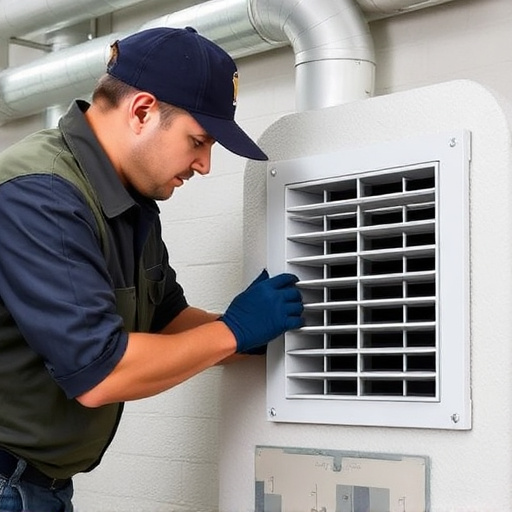
Maintaining optimal roof ventilation is crucial for any Oro Valley home, especially in the desert climate, where keeping vents clear of dust, pests, and monsoon rain is a year-round challenge. This is where careful attention to detail and the right tools can make a significant difference. When addressing these issues, especially in homes with stucco exteriors and underlayment protection, a local roofing company serving Oro Valley recommends a multi-step approach.
Regular inspections are key. Look for any signs of debris buildup, such as excessive dust or the presence of pests like cockroaches or spiders, which are attracted to warm, dark spaces. Check for leaks around vents, which can lead to water damage and, in turn, encourage mold growth. The Rancho Vistoso area, with its unique architectural styles, often requires specific solutions, like ensuring proper soffit venting to maintain air flow in stucco homes.
For low-profile tile vents, a recommended maintenance routine includes regular cleaning with a soft brush or vacuum to remove dust and debris. Use caution when cleaning to avoid damaging the vents. Installing vent screens is a proactive measure to keep out larger particles, including pests. In the case of monsoon season, where heavy rainfall can lead to water infiltration, ensuring that vents are properly sealed and that there is adequate drainage around the roof is essential. This not only prevents water damage but also maintains the integrity of the underlayment, a critical component in protecting your Oro Valley home from the elements.
Frequently Asked Questions About advice on keeping dust, pests and monsoon rain out of roof vents
What is the primary cause of damage to roof vents from dust, pests, and monsoon rain?
Unprotected vents can become clogged with dust and debris, attracting pests like roaches and squirrels. Monsoon rains, with their high winds and heavy precipitation, can further damage vents, leading to leaks and reduced ventilation. Regular cleaning and robust vent covers are crucial to prevent these issues.
How often should roof vent covers be cleaned and maintained?
We recommend cleaning your roof vent covers at least twice a year, especially before monsoon season. Regular cleaning removes built-up dust and debris, ensuring optimal ventilation and preventing pest infestations. A licensed roofing contractor, like DC Roofing of Arizona, can inspect and maintain your vent covers during these visits.
What materials are best for roof vent covers to withstand monsoon conditions?
For areas prone to monsoon rains, consider vent covers made from durable materials like aluminum or stainless steel. These materials are resistant to rust and corrosion, common issues with plastic or vinyl covers in wet conditions. They also provide better protection against high-speed winds and debris.
Can I use a simple mesh or screen to cover my roof vents?
While a mesh or screen may keep out large debris, it won't stop dust, pests, or small debris particles from entering your ventilation system. For optimal protection, use a fine-mesh screen designed specifically for roof vents or install a durable vent cover that allows air flow while blocking intruders.
What should I do if I already have damage from dust, pests, or monsoon rain?
If you suspect damage, contact a licensed roofing contractor immediately. They can assess the situation, repair any leaks, and provide recommendations for improved ventilation and protection. Regular maintenance and inspections by a professional are key to avoiding future problems.
How much does it cost to replace or repair roof vent covers?
The cost depends on the material and size of the covers, as well as the extent of the damage. A licensed contractor, like DC Roofing of Arizona, can provide a detailed estimate after inspecting your property. Remember, investing in quality vent covers is a cost-effective way to protect your home from potential structural and health issues caused by poor ventilation.
As we've explored, protecting roof vents from dust, pests, and monsoon rain is crucial for maintaining energy efficiency and indoor air quality in Oro Valley homes. Key insights include the vulnerability of traditional ridge and soffit vents to these threats, especially in the region's desert heat. Low profile tile vents, however, offer a superior solution. Their sleek design and strategic placement allow for more effective ventilation while minimizing the risk of water intrusion or pest entry.
Proper installation and regular maintenance are paramount. By following the detailed guidelines and expert tips outlined in this guide, homeowners can ensure their roof vents operate at peak performance. This, in turn, leads to reduced cooling bills, enhanced upstairs room comfort, and a longer lifespan for the roof underlayment.
Moving forward, consider the following practical steps:
- Consult with a local ventilation specialist or roofing expert to assess your specific needs and venting options.
- Invest in high-quality, low profile tile vents and have them installed by a customer-rated, licensed contractor.
- Schedule regular maintenance checks to inspect for any signs of poor ventilation, mold, or pest activity.
By adopting these strategies, Oro Valley homeowners can breathe easier, knowing their homes are protected from the desert heat, and that their roof ventilation systems are optimized for superior performance.
In the desert heat of Oro Valley, proper roof ventilation is vital. A local roofing specialist offers these tips:
- Off-ridge venting under concrete tile roofs provides superior protection from rain and promotes balanced air flow.
- Soffit vents for stucco homes ensure efficient air circulation and prevent dust, mold, and pest buildup.
- Low-profile tile vents are discreet, blend into the roofline, and offer exceptional ventilation for flat roofs.
- Modern solutions like solar attic fans, paired with vent screens, reduce dust and pest infiltration.
- Proper insulation acts as a radiant barrier, mitigating heat transfer into attics.
Regular inspections, cleaning, and sealing vents are crucial. A licensed Oro Valley roofer can offer expert guidance tailored to your home's needs.