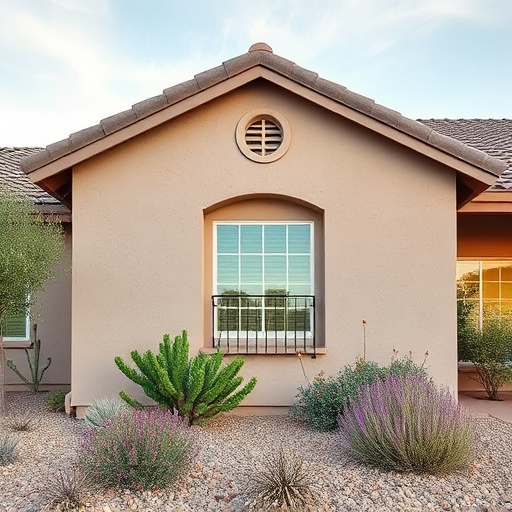
In the harsh desert heat, proper roof ventilation is not just about keeping your home cool-it's a crucial factor in maintaining indoor air quality, extending underlayment life, and preventing costly repairs. Vent types play a significant role in achieving these goals, especially for tile, shingle, and flat roofs. Each roof style presents unique challenges and opportunities for ventilation, from venting under concrete tile in a tight space to selecting the right soffit vents for a stucco home.
This article examines the intricacies of various vent types, addressing common issues like signs of poor ventilation, ridge vs. Off-ridge vents, and even the challenges of venting in a casita addition. By the end, you'll have a comprehensive understanding of how to choose and install the right ventilation system for your Oro Valley roof, ensuring optimal performance and comfort in the desert heat.
- Understanding Roof Venting: Basic Needs and Types
- Tile Roof Venting: Challenges and Solutions
- Shingle and Flat Roof Venting: Best Practices
- Natural Venting Under Concrete Tile: Expert Strategies
Understanding Roof Venting: Basic Needs and Types
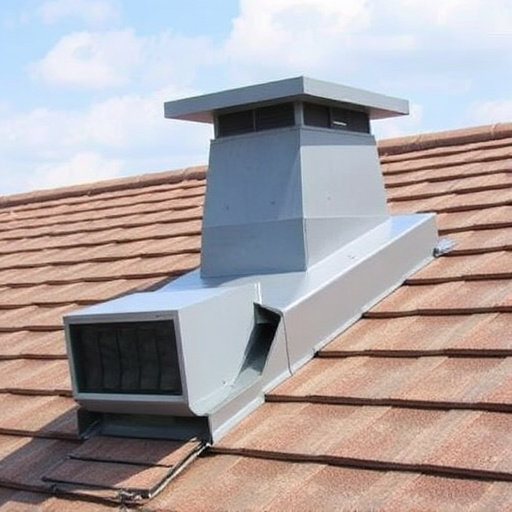
Roof ventilation is a critical component often overlooked when considering roofing materials, especially in the desert heat of Oro Valley. Proper venting ensures optimal indoor air quality, enhances energy efficiency, and prolongs the life of your roof. This section examines the various vent types suitable for tile, shingle, and flat roofs, focusing on their unique applications and benefits.
When considering tile roofs, particularly concrete tile, venting under these surfaces is a key strategy. The desert climate's intense heat can lead to excessive moisture buildup, creating the perfect environment for mold and mildew. By strategically placing vents, a licensed Oro Valley area roofing contractor can facilitate the flow of fresh air, mitigating these risks. Turbine vents, for instance, are an excellent choice for tile roofs due to their ability to efficiently draw in air and expel hot, moist air. These vents can be seamlessly integrated into the roofing system, enhancing ventilation without compromising aesthetics.
For flat roofs, the challenges are slightly different. Solar attic fans have gained popularity as an eco-friendly solution. By harnessing solar power, these fans provide a cost-effective way to improve ventilation. They are particularly useful in combating the overheating of attics, a common issue in desert heat. However, it's crucial to maintain a balanced intake and exhaust system to ensure effective cooling. Soffit vents, strategically placed along the roof's edge, can complement solar attic fans, creating a well-ventilated and comfortable indoor space.
In contrast, shingle roofs offer their own set of ventilation considerations. While they may not require the same level of specialized venting as tile or flat roofs, proper venting still plays a vital role. Whole house fans, for example, can be an efficient and budget-friendly solution for improving air circulation. These fans actively draw in cooler outside air, expelling heated indoor air, thus reducing cooling costs. Ventilation with swamp coolers is another option worth considering, particularly for homes with upper story rooms that require enhanced comfort.
Tile Roof Venting: Challenges and Solutions
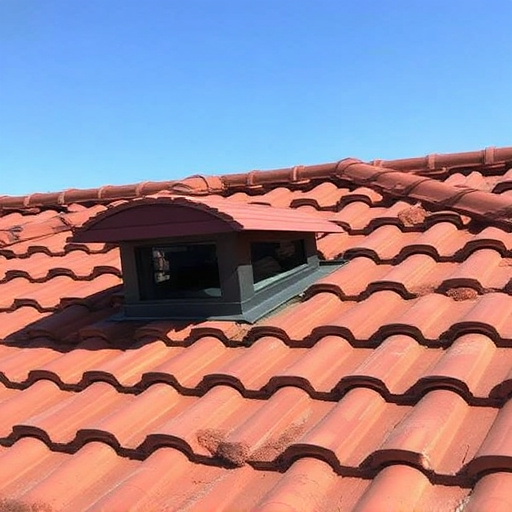
When addressing tile roof venting in the desert heat of Sun City Oro Valley and the Catalina Foothills, roofing contractors face unique challenges. Concrete tile roofs, while aesthetically pleasing, present specific difficulties for ventilation. Unlike shingles or flat roofs, the underlayment and tile itself can trap heat and moisture, leading to potential problems like mold growth and reduced underlayment life. This is particularly relevant in the intense climate of Oro Valley and Marana, where proper ventilation is crucial for maintaining a healthy home environment.
A common solution involves strategically placed vents to facilitate airflow. While ridge vents and soffit vents are standard options, their effectiveness can vary under concrete tile. Ridge vents, for example, are designed for longer runs and may not provide sufficient intake air for exhaust in the hot desert air currents. Soffit vents, on the other hand, can be challenging to install on stucco homes without proper flashing and sealing, a common concern in the Catalina Foothills. To address these challenges, contractors often recommend a combination of vent types, such as powered vents or whole house fans, in conjunction with well-placed soffits and ridge vents.
A roofing contractor serving Oro Valley and Marana might suggest a dual-venting system, utilizing low-profile tile vents in conjunction with bath and kitchen roof exhausts. This approach not only aids in ventilation but also enhances upstairs room comfort, a significant concern for homeowners in the region's desert heat. Incorporating vent screens for dust and pests, as well as ensuring proper intake and exhaust balance, is crucial. By addressing these details, contractors can ensure that venting under concrete tile effectively reduces heat buildup and moisture, extending both the life of the underlayment and the roof itself.
Shingle and Flat Roof Venting: Best Practices
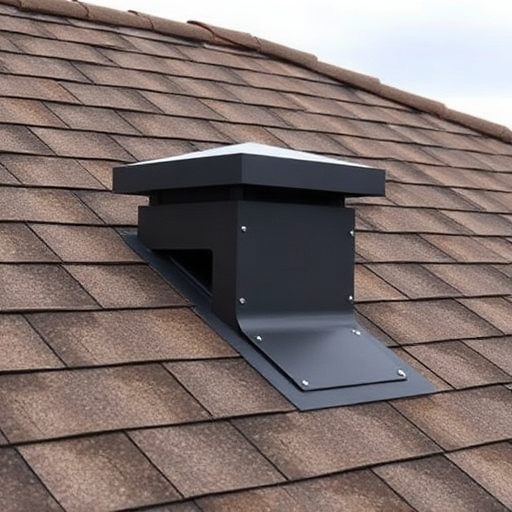
For roofing, proper venting is crucial for all types of roofs, but it's especially vital in the unique climate of the desert Southwest. Shingle and flat roofs, while different in appearance, share some common venting considerations, especially for concrete tile roofs. Let's examine the best practices for these two common roof styles.
Shingle roofs, popular in many parts of Oro Valley, offer a traditional aesthetic, but they require careful consideration for ventilation. One key aspect is ensuring proper venting under the concrete tile. This is essential to prevent condensation build-up, a common issue in the desert heat. By allowing warm, moist air to escape, you can maintain a comfortable indoor environment and prolong the life of your roof and insulation. A local roofing company serving Oro Valley recommends installing ridge vents or, for a more subtle look, off-ridge vents, strategically placed to facilitate air flow.
Flat roofs, often seen in Rancho Vistoso, present unique challenges due to their lack of slope. Proper venting is still critical to manage moisture and heat buildup. To underlayment, consider installing soffit vents on the lower edge of the roof and ensuring a balanced intake and exhaust system. This allows cool air to enter and escape, preventing the attic from overheating, a common problem in desert climates. Low-profile tile vents can be discreetly integrated into the design, while whole house fans or powerful exhaust fans in bath and kitchen areas can enhance overall ventilation.
Natural Venting Under Concrete Tile: Expert Strategies
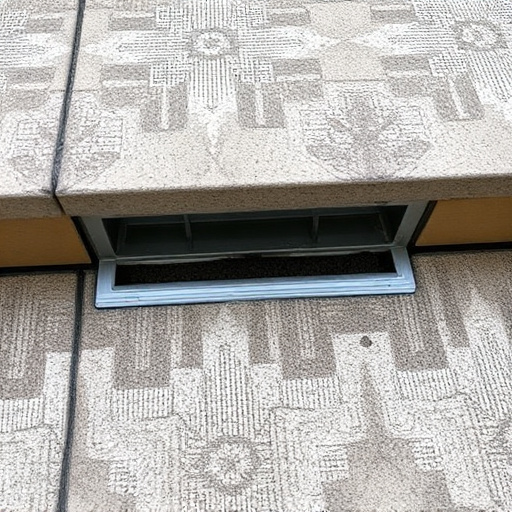
For natural venting under concrete tile roofs, an experienced Oro Valley roof specialist knows that this is a critical aspect of maintaining a healthy, energy-efficient home, especially in the desert climate. Unlike traditional ventilation methods, which often rely on mechanical solutions, natural venting takes advantage of the environment and building design to facilitate air movement. This approach offers several benefits, including improved indoor air quality, reduced energy consumption, and extended underlayment and roof life, particularly in the face of monsoon season humidity.
For concrete tile roofs, the primary focus is on strategic placement of vents. Since concrete tiles are typically installed over a solid underlayment, such as a tarp or synthetic underlay, the key is to vent beneath the tiles. This can be achieved through a combination of ridge and soffit vents. Ridge vents, installed along the peak of the roof, allow hot air to escape, while soffit vents near the eaves draw in cool, outside air. This balance of intake and exhaust is crucial for maintaining a constant flow of fresh air throughout the attic space. In a stucco home with a concrete tile roof, strategically placed low profile tile vents can be used to vent under the tiles, allowing for a more seamless and aesthetically pleasing installation while still ensuring proper airflow.
An effective natural ventilation strategy also considers the home's overall design, including any additions or casitas. In these cases, additional vents may be required to maintain a proper intake and exhaust balance. If a home has a vaulted ceiling, specific ventilation solutions are needed to address the unique airflow challenges presented by such architectural features. An Oro Valley roof specialist can provide guidance on the appropriate vent types and placement, such as powered or passive ventilation systems, to ensure optimal performance. By understanding the dynamics of natural venting under concrete tile, homeowners can take a proactive approach to mitigate issues like attic mold growth and excessive energy costs associated with poor ventilation, especially during the hot, dry summer months.
Frequently Asked Questions About a comparison of vent types used on tile, shingle and flat roofs
What are vents and why are they important on roofs? Vents are openings or structures designed to facilitate air flow through a roof system. They are crucial for maintaining a healthy roof environment. By allowing hot air to escape and preventing the buildup of moisture, vents help prevent damage from mold, mildew, and structural issues. Different vent types serve various purposes, from providing passive ventilation to powering mechanical ventilation systems.
What are the main vent types used on tile roofs? Tile roofs often employ ridge vents and soffit vents. Ridge vents run along the peak of the roof, allowing air to enter and escape from the roof's highest points. Soffit vents, installed under the roof overhang, draw in fresh air, creating a continuous flow upward. These vents are essential for effective ventilation, helping to maintain the longevity and performance of tile roofs.
How do vents differ when used on shingle roofs? Shingle roofs typically use a variety of vent types, including vented fascias, vented shakes, and eave vents. Vented fascias and shakes integrate ventilation into the roofing material itself, enhancing airflow while maintaining aesthetic appeal. Eave vents, placed along the lower edge of the roof, help expel warm, moist air, preventing it from becoming trapped and causing damage.
Are there specific vent types for flat roofs? Flat roofs often utilize different venting strategies compared to pitched roofs. They commonly employ:
- Penetrating vents: These vents penetrate the roof surface, providing direct access for air circulation. They are often used in conjunction with mechanical ventilation systems for enhanced performance.
- Atrium ventilation: This passive system relies on a vented space at the building's base to draw in fresh air and expel exhaust, creating a natural flow through the roof cavity.
What factors should be considered when choosing a vent type? Several factors influence vent selection, including roof pitch, climate, roofing material, and building design. In hot, dry climates, ridge vents may be more effective, while eave vents can be beneficial in cooler regions to prevent condensation. Consulting with a professional roofer is crucial to determine the most suitable venting solution for any specific roof.
How do vents contribute to energy efficiency? Proper ventilation matters in enhancing energy efficiency. By allowing hot air to escape, vents reduce the load on cooling systems, potentially saving energy costs. Controlling moisture levels within the roof cavity helps prevent thermal bridging, further improving energy performance.
What are the signs that a roof needs better ventilation?
Signs indicating inadequate ventilation include:
- Excessive moisture buildup in the attic
- Mold or mildew growth on roof decking or in the attic
- Unusually high energy bills
- Uneven or warped roof decking
- Early deterioration of roofing materials
If you observe any of these symptoms, it's important to have your roof inspected by a professional to determine if better ventilation is necessary.
Understanding roof venting is crucial for maintaining a healthy, comfortable, and energy-efficient home, especially in the unique climate of desert heat. This article has explored the intricacies of venting under various roofing types, from tile and shingle to flat roofs. Key insights include the importance of natural venting under concrete tile, which offers a more efficient and sustainable solution compared to traditional methods. We've seen that tile roof venting presents specific challenges, but with the right strategies, such as powered venting and low-profile vents, these can be effectively addressed. For shingle and flat roofs, balanced intake and exhaust systems are vital, with soffit vents and whole-house fans playing a significant role in maintaining optimal indoor air quality.
The article's key takeaway is that proper venting extends beyond surface-level considerations. It involves understanding the interplay between roofing materials, climate, and indoor comfort. By naturally incorporating venting under concrete tile and adopting best practices tailored to each roof type, homeowners and contractors can significantly reduce cooling bills, extend underlayment life, and improve overall home performance. Moving forward, incorporating these strategies not only ensures a well-ventilated home but also contributes to a more sustainable and healthy living environment.
Roof ventilation is crucial for all types of roofs, especially concrete tile in the desert heat of Oro Valley. Proper venting prevents mold, prolongs underlayment life, and enhances energy efficiency. For tile roofs, turbine vents efficiently draw in air and expel hot, moist air. Flat roofs use solar attic fans and soffit vents to combat overheating. Shingle roofs benefit from ridge vents or off-ridge vents, and whole house fans for enhanced circulation. Natural venting under concrete tile, achieved through strategic ridge and soffit vents, offers multiple advantages in the desert climate. An experienced Oro Valley roofing contractor guides homeowners in selecting the best vent types and placement for optimal performance.