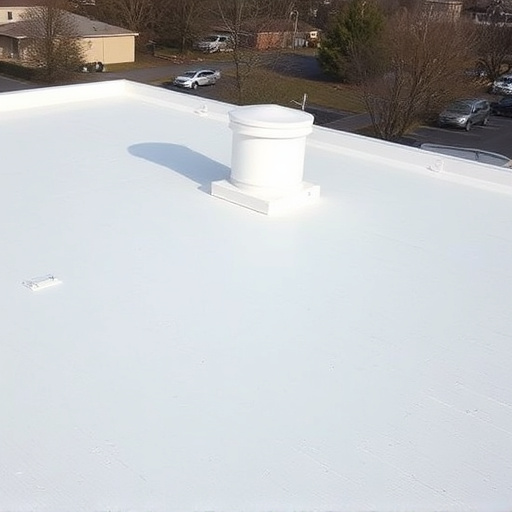
In the harsh desert heat, your roof plays a critical role in keeping your home comfortable and your family safe. Poor roof ventilation, however, can turn your attic into a sweltering, humid oven, leading to a host of problems from increased cooling bills to mold growth and respiratory health issues for allergy sufferers. This is particularly true for homes with concrete tiles, where proper venting under the roof's surface is essential to prevent damage and prolong the life of your underlayment. This article will guide you through the key signs of poor ventilation, empowering you to recognize the need for expert solutions, such as ridge versus off-ridge vents, the role of solar attic fans, and even the strategic use of radiant barriers to cool your attic.
- Understanding Roof Ventilation Basics: Common Red Flags
- Visual Checks: Signs of Insufficient Ventilation
- The Role of Radiant Barriers in Desert Heat
- When to Call a Professional Roofer for Assessment
Understanding Roof Ventilation Basics: Common Red Flags
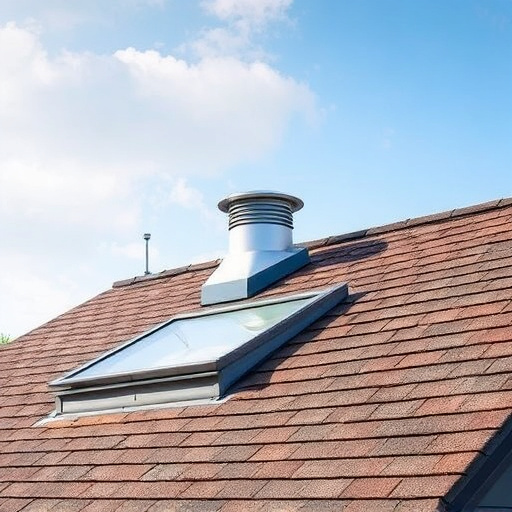
Roof ventilation is a critical but often overlooked aspect of home maintenance, especially in the desert heat of Oro Valley. Poor ventilation can lead to a host of problems, from increased cooling bills to uncomfortable upstairs rooms and even the growth of attic mold. Understanding the basic signs of inadequate roof ventilation is key to preventing these issues.
One of the most noticeable red flags is the absence of proper intake and exhaust ventilation. Ridge vents and soffit vents, strategically placed along the roof's ridgeline and under the roof's overhang, respectively, facilitate air flow. A local roofing company serving Oro Valley will often recommend these as essential components of a well-ventilated roof. If your home lacks these vents or they are blocked by debris, it can lead to stagnant, hot air in the attic, pushing warm air into the house and driving up cooling costs. This is particularly evident in the desert heat, where the sun's intense rays can quickly overheat an attic without adequate exhaust.
Another common problem, especially in homes with concrete tile roofs, is improper venting under the underlayment. The underlayment, a protective layer between the tiles and the roof's structure, is crucial for preventing leaks and moisture damage. However, it must be installed with proper ventilation in mind. If the underlayment is not adequately vented, it can trap moisture, leading to mold growth and reduced underlayment lifespan. This is where radiant barriers, reflective materials installed under the underlayment, can play a role. By reflecting heat back outside, radiant barriers help maintain a cooler attic, enhancing ventilation efficiency.
The placement of roof vents is critical. Flat roofs or homes with no attic require special attention. Whole house fans or powered ventilation systems can help pull fresh air into the home while expelling hot air, ensuring a comfortable indoor environment. On the other hand, passive ventilation methods, like ridge vents or natural exhaust from bathroom and kitchen roofs, allow for continuous air flow without the need for power. Balancing intake and exhaust is essential, as stagnant air can lead to a host of issues, from increased energy costs to potential health problems for allergy sufferers and respiratory health advocates.
Visual Checks: Signs of Insufficient Ventilation

When assessing your roof's health, especially in the desert climate of Oro Valley, visual checks for signs of insufficient ventilation are crucial. The absence or improper placement of ventilation components can lead to a host of issues, from increased cooling costs to the growth of attic mold during monsoon season.
One of the most telltale signs is a lack of soffit vents, which are designed to draw air from the bottom of the roof, providing a constant flow of cool air that prevents the build-up of hot, humid air in the attic. To soffits, properly installed ridge vents or powered vents are essential for balanced ventilation. Imbalanced ventilation, often due to clogged or covered vents, can cause hot air to be trapped in the attic, leading to high cooling bills and uncomfortable upstairs living spaces.
Inspecting your roof for signs of poor ventilation can be as simple as taking a walk around your property. Look for blocked or covered vents, especially during the summer months when the effects of inadequate ventilation are most pronounced. Keep an eye out for radiant barriers, which reflect heat and can help regulate attic temperatures, but should be installed and maintained properly to be effective. A local roofing company serving Oro Valley can provide expert guidance on ventilation systems and the best solutions for your home, helping to ensure your attic stays cool and comfortable all year round.
The Role of Radiant Barriers in Desert Heat
Spotting signs of poor roof ventilation in the desert heat of Tucson and its surrounding areas, like the Catalina Foothills, is crucial for maintaining a healthy and energy-efficient home. While many homeowners know the importance of proper ventilation, identifying specific issues can be challenging. One often overlooked factor is the role of radiant barriers, which can significantly impact indoor comfort, especially during the hot summers.
A roofing contractor serving Oro Valley and Marana explains, "In desert climates, radiant heat from the sun can be intense. Radiant barriers are materials designed to reflect this heat away from the home, preventing it from entering through the roof and exacerbating ventilation problems." For flat roofs, which are prevalent in the region, proper venting is essential. Poor ventilation can lead to a buildup of heat, causing the interior to feel stuffy and increasing cooling costs. This is particularly problematic for homes with low-profile tile vents, which may be more susceptible to blockage from debris.
The signs of inadequate ventilation are varied. If you notice a significant temperature difference between the upstairs and downstairs areas, particularly during the day, it could indicate a problem. Soffit vents on stucco homes should be checked for debris or blockage, as these are crucial for intake ventilation. If you have a whole-house fan, ensure it operates efficiently; these fans rely on proper intake and exhaust balance to cool the home effectively. An expert from a local ventilation specialist like Oro Valley Roofing Experts might recommend a combination of ridge vents and soffit vents for optimal performance, especially in the face of intense desert heat.
When addressing ventilation upgrades, especially during a reroof, consider the unique challenges of the local climate. During the monsoon season, moisture control is crucial, and proper ventilation can help prevent attic mold. The use of radiant barriers, along with adequate venting, can extend the life of your roof underlayment and keep HVAC ducts from becoming overheated, which is a common issue in hot attics. By integrating these strategies, homeowners can ensure their roofs and homes are not only protected but also comfortable and energy-efficient.
When to Call a Professional Roofer for Assessment
Spotting the signs of poor roof ventilation in your Sun City Oro Valley home is crucial, especially in the desert heat. As an experienced Oro Valley roof specialist, I've seen firsthand the impact of inadequate ventilation. When your attic overheats, it can lead to higher cooling costs, reduced underlayment life, and even the growth of attic mold during monsoon seasons.
One of the first indicators is the presence of ridge vents versus off-ridge vents. Ridge vents, installed along the peak of your roof, are designed to provide continuous air flow. Their absence or malfunction can result in stagnant, humid air in your attic. Conversely, off-ridge vents, placed in the roof's edge, help balance intake and exhaust. If these are not properly installed or maintained, you might notice an increase in cooling bills, as your HVAC system struggles to regulate the temperature.
Another red flag is the condition of your soffit vents, particularly on homes with stucco exteriors. These vents play a vital role in drawing air into the attic space. If they're blocked by dust, pests, or poor installation, it can lead to improper ventilation. You may also encounter issues with venting under concrete tile roofs, which require specific techniques to ensure adequate air circulation. Proper venting helps prevent the buildup of radiant heat from the sun, keeping your attic cooler and reducing the strain on your HVAC system.
When in doubt, it's wise to call a professional roofer for a thorough assessment. An expert can inspect your current ventilation system, identify issues, and offer solutions tailored to your home. This includes suggesting upgrades like powered ventilation, whole house fans, or even the strategic use of radiant barriers to enhance energy efficiency. Remember, proactive measures can save you money in the long run by ensuring your home maintains a healthy, comfortable indoor environment.
Frequently Asked Questions About advice on spotting the signs of poor roof ventilation
What are the most common signs of poor roof ventilation?
Look for signs of excessive moisture build-up, such as mold or mildew growth on the roof or in the attic, which often indicates poor air circulation. Also, watch out for premature deterioration of the roofing material, especially near vents or exhaust fans, suggesting air leaks and inadequate ventilation.
How does poor roof ventilation affect my home's energy efficiency?
Unsufficient roof ventilation can lead to a buildup of hot air in the attic during summer, making your air conditioning work harder. In winter, it can trap cold air, increasing heating costs. Proper ventilation helps maintain a balanced temperature, saving energy and extending the lifespan of your roofing and insulation.
What role does roof ventilation play in preventing structural damage?
Poor ventilation can create extreme temperature swings in your attic, causing wood components to expand and contract, potentially leading to structural instability. Adequate ventilation helps regulate these fluctuations, protecting your home's framing, sheathing, and other essential components.
How can I ensure my roof is properly ventilated?
A licensed Tucson roofing contractor, like DC Roofing of Arizona, recommends a balanced ventilation system that includes vents at the ridge and in the valleys, as well as in the roof's underlayment. This allows for both inflow and outflow of air, maintaining a constant, healthy environment for your roof.
Are there specific codes or regulations that govern roof ventilation?
Yes, local building codes often mandate minimum ventilation requirements for new and renovated homes. A local Tucson roofing company, with an Arizona ROC license, can ensure your roof meets these standards, preventing future issues and potential safety hazards.
How often should I check my roof's ventilation?
Regular inspection is key. Most installations take one to two days to complete, so consider inspecting your roof annually, or more frequently if you live in an area with extreme weather conditions. Early detection of ventilation issues can save you money and prevent costly repairs.
As you've explored the intricacies of roof ventilation, several key insights emerge. Poor ventilation, a common problem in desert heat, can lead to a host of issues, from increased cooling bills and reduced underlayment life to uncomfortable upstairs rooms and even attic mold during monsoon humidity. Look for visual signs like missing or damaged vents, excessive dust or pests, and signs of water intrusion to indicate insufficient ventilation. One effective solution, particularly in our region, is the strategic use of radiant barriers, which can help regulate temperatures and mitigate the effects of desert heat. If you suspect problems or want to upgrade your ventilation system, it's crucial to consult a professional roofer who can assess your specific needs and recommend solutions, from powered to passive ventilation systems, tailored to your home's architecture and climate. By addressing these issues, you not only enhance your home's comfort and efficiency but also contribute to the longevity of your roof and the health of your family.
In desert areas like Oro Valley, proper roof ventilation is vital to prevent attic mold, reduce cooling costs, and ensure comfort. Key signs include absent or blocked soffit and ridge vents, especially on concrete tile roofs. Imbalanced ventilation drives up energy costs and creates unhealthy living spaces. Regular inspections, especially during summer, are crucial. Radiant barriers can enhance ventilation efficiency by reflecting heat. A licensed local roofer can provide expert guidance, recommend solutions like powered ventilation or whole-house fans, and ensure optimal energy efficiency.