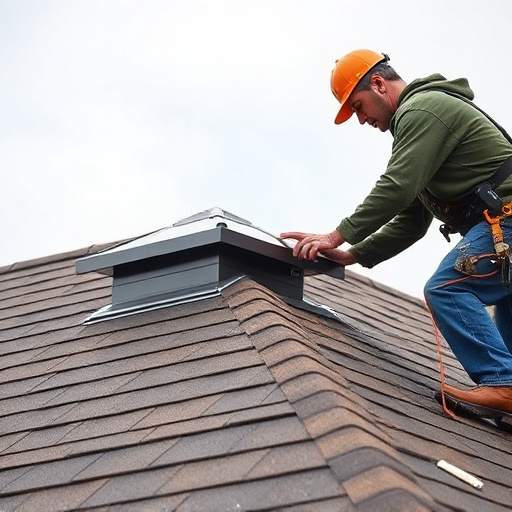
In the arid desert heat, your roof is not just a shelter but a critical defense mechanism for your home. The health of your roof, especially the underlayment, depends on proper ventilation-a key yet often overlooked aspect of home maintenance. Poor ventilation can lead to a host of issues, from mold growth and increased cooling bills to reduced underlayment life and uncomfortable upstairs rooms. This article examines the intricate relationship between roof ventilation and the longevity of your underlayment and overall roof integrity, particularly focusing on the role of soffit vents in stucco homes. By understanding the signs of inadequate ventilation and exploring advanced solutions, homeowners can ensure a comfortable, safe, and energy-efficient living space.
- Understanding Ventilation's Role in Roof Protection
- The Impact of Soffit Vents on Underlayment
- Natural Airflow: A Stucco Home's Defense
- Maximizing Roof Life Through Proper Venting
Understanding Ventilation's Role in Roof Protection
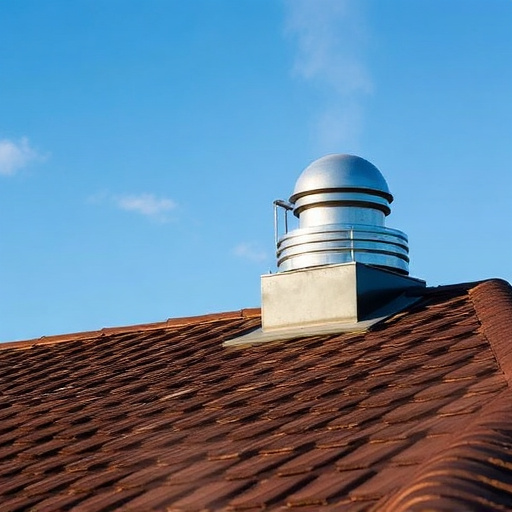
Ventilation plays a critical role in safeguarding your roof and underlayment, especially in the unique environmental conditions of the desert heat. As an experienced Oro Valley roof specialist, we understand that the intense sunlight, high temperatures, and occasional monsoon storms create a challenging environment for roofing materials. Proper ventilation can significantly extend the life of your roof and underlayment, preventing costly repairs and replacing.
One of the most effective ways to protect your roof is through strategic soffit vent placement. In stucco homes, soffit vents act as intake points, drawing in cool, dry air from the outside while expelling warm, moist air from the attic. This process is crucial during the hot summer months when the desert heat can cause underlayment degradation and even mold growth. By keeping the attic cool, soffit vents on stucco homes reduce the risk of these issues, ensuring the underlayment remains intact and protecting the roof structure. Low-profile tile vents designed for desert climates can be seamlessly integrated into your home's exterior, providing efficient air circulation without compromising aesthetics.
Tucson Electric Power and other utilities often recommend adequate ventilation to prevent energy losses, and this holds true for your roof as well. Proper intake and exhaust balance, facilitated by soffit vents and exhaust fans, can significantly lower cooling bills. By venting hot air from the attic, you reduce the load on your air conditioning system, making it more efficient. During monsoon seasons, ventilation helps combat the added humidity. Unlike traditional roofing methods, which might trap moisture and create a breeding ground for pests and mold, a well-ventilated roof stays dry, thanks in part to strategic soffit venting. This is especially important for homes with vaulted ceilings or bathrooms and kitchens that contribute to a roof's overall humidity levels.
The Impact of Soffit Vents on Underlayment
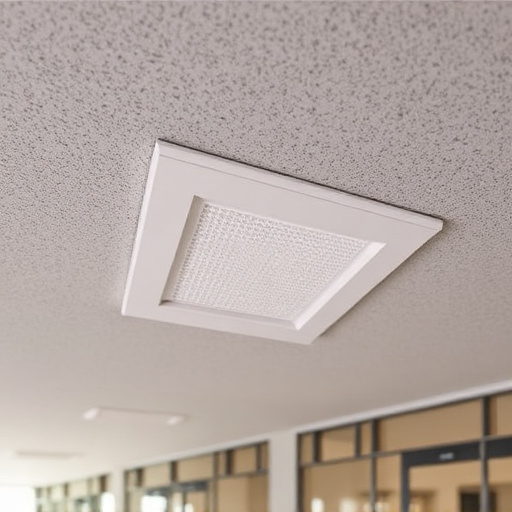
In the harsh desert climate of Sun City Oro Valley, proper ventilation is crucial for maintaining the health and longevity of your roof. One often-overlooked aspect of roof care involves the underlayment-the protective layer beneath the shingles-and how soffit vents on stucco homes play a pivotal role in safeguarding it. Soffit vents, strategically installed in the overhang of a roof, facilitate a continuous flow of fresh air, which is essential for preventing moisture buildup and promoting a dry, healthy environment for your underlayment.
Ridge vents and solar attic fans are commonly used in this region to combat the intense heat, but they work in tandem with soffit vents to achieve optimal results. While ridge vents run along the peak of the roof, soffit vents operate in the roof's underbelly, allowing for a balanced intake and exhaust of air. This balance is critical. When properly balanced, air flows in through soffit vents, cooling the attic space, and then escapes through ridge vents, preventing excessive heat buildup. This system, when combined with the natural ventilation from solar attic fans, ensures that your roof remains cool, even during the most sweltering summer days.
An experienced Oro Valley roof specialist emphasizes the importance of soffit vents in maintaining the underlayment's integrity. Stucco homes, common in the area, require extra attention due to their potential for moisture issues. Soffit vents help control humidity levels, keeping the underlayment dry and minimizing the risk of mold growth, a common problem in the monsoon season. By installing soffit vents, homeowners can extend the life of their underlayment, reduce the need for costly repairs, and ensure their roof remains a protective shield for their home.
Natural Airflow: A Stucco Home's Defense
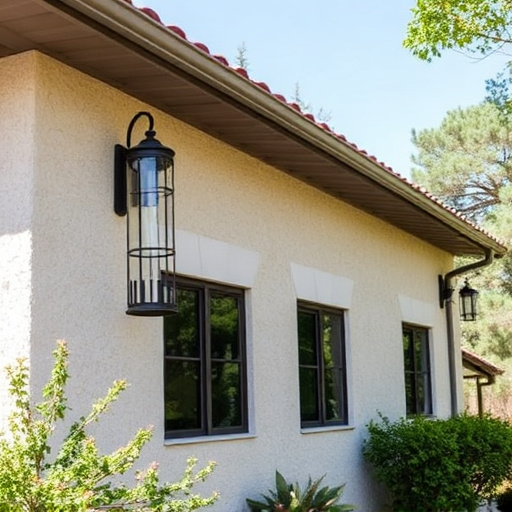
In the desert heat of Oro Valley, Sun City's stucco homes face a unique challenge: managing indoor air quality and protecting their roofs. Natural airflow plays a critical role in mitigating these issues. One often-overlooked component of this defense is soffit ventilation.
Soffit vents, strategically placed under the eaves, facilitate the entry of cool, dry air from the ground into the attic space. This natural airflow acts as a powerful ally in several ways. First, it helps regulate the roof's temperature, preventing the buildup of excess heat that can lead to increased cooling costs and even damage to the underlayment. By keeping the attic cool, soffit vents reduce the risk of moisture condensation, a common problem in hot climates, which can cause mold growth and compromise the integrity of the roof structure.
Soffit ventilation promotes a balanced air circulation pattern. This balance is essential to prevent the formation of hot spots, which can occur when air is stagnant or improperly distributed. A poorly vented attic might lead to a "hot spot" under a turbine vent, compromising the performance and lifespan of the roofing materials. DC Roofing of Arizona, a local expert in the Oro Valley area, emphasizes the importance of soffit vents in maintaining a healthy attic environment. They advise homeowners to consider turbine vents, which spin to draw air out, as a complement to soffit ventilation, enhancing overall roof protection.
Insulation, another critical component in Sun City's defense strategy, works in conjunction with soffit vents. Proper insulation prevents hot air from entering the living spaces, further reducing cooling loads and minimizing the impact of desert heat. Together, soffit ventilation and quality insulation create a formidable barrier against the elements, ensuring the longevity of both the roof and the home's interior.
Maximizing Roof Life Through Proper Venting
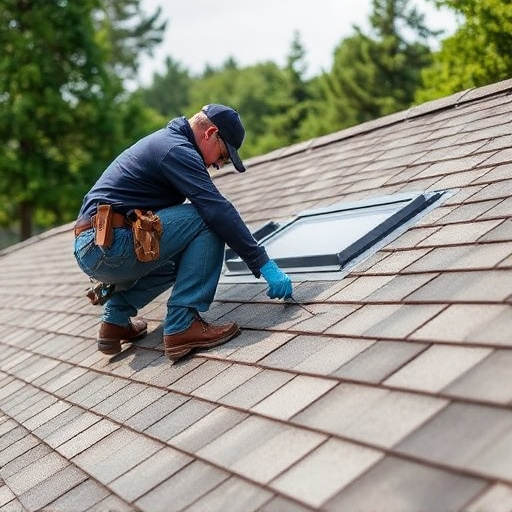
In the scorching desert heat, proper ventilation is crucial for extending the lifespan of your roof and underlayment. At DC Roofing of Arizona, our local ventilation specialists understand the unique challenges posed by our climate, especially for homes featuring stucco exteriors. One of the most effective strategies involves strategically placed soffit vents, which allow for optimal air circulation within the roof cavity. This natural intake, combined with carefully managed exhaust, prevents the buildup of heat and moisture that can lead to serious issues.
Unaddressed, high temperatures and humidity during the monsoon season can cause significant strain on your roofing system. Excessive heat can weaken the underlayment, serving as a breeding ground for mold and pests. Bird screens on vents further prevent these unwanted intruders from infiltrating your home. By maintaining a balanced intake and exhaust system, we ensure that your roof stays cool and dry, significantly prolonging both the underlayment and roof life.
Consider a typical stucco home in our area. By installing soffit vents on the underside of the roof, we can facilitate the flow of fresh air through the attic and under the roof deck. This process replaces stagnant, warm air with cool, outdoor air, reducing the risk of mold growth and keeping the structure stable. Proper ventilation also matters in reducing cooling bills, as a well-ventilated attic allows for more efficient operation of your HVAC system.
In cases where a home lacks an attic, such as in flat roofs or vaulted ceilings, other ventilation methods become essential. Our experts can recommend and install whole house fans, bath and kitchen roof exhaust, or even low profile tile vents to ensure adequate air circulation. These solutions work in harmony with soffit vents on stucco homes to maintain a healthy indoor environment, protect your investment, and safeguard the comfort of your family.
Frequently Asked Questions About an Explainer on How Ventilation Protects Underlayment and Roof Life
What is the primary role of ventilation in a roof system, especially in the desert heat?
Ventilation plays a crucial role in protecting your roof's underlayment and extending the lifespan of your entire roof system, particularly in the harsh desert climate. By allowing hot, moist air to escape, ventilation prevents the buildup of heat and humidity under the roof, which is a common cause of leaks and mold growth. In this environment, proper ventilation can make a significant difference in the performance and longevity of your roof.
How does ventilation contribute to the preservation of the underlayment?
The underlayment, a protective barrier between your roof deck and the shingles, is sensitive to high temperatures and moisture. Ventilation ensures that the underlayment stays dry and cool. Without adequate airflow, the underlayment can become a breeding ground for mold and bacteria, compromising its integrity. By facilitating the escape of excess moisture, ventilation keeps the underlayment healthy, preventing damage that could lead to costly repairs or even roof collapse.
What types of ventilation systems are commonly used in roofing installations?
Roofing contractors in the desert region often employ two primary types of ventilation systems: soffit ventilation and ridge ventilation. Soffit vents are installed in the soffit, or the lower edge of the roof overhang, allowing cool air from the outside to enter the attic space. Ridge vents, on the other hand, are placed along the peak of the roof, expelling hot air and creating a constant flow of fresh air throughout the attic. Combining these two types of ventilation is a common and effective strategy for maintaining a healthy roof environment.
Is proper ventilation more critical in certain types of roofing materials?
While all roofing systems benefit from adequate ventilation, it is particularly essential for flat or low-slope roofs, which are more susceptible to heat-related issues. Membrane roofing materials, such as TPO (Thermoplastic Polyolefin) and EPDM (Ethylene Propylene Diene Monomer), require proper ventilation to maintain their integrity. Ventilation prevents the materials from softening or failing due to excessive heat and moisture, ensuring a durable and leak-free roof.
How can homeowners ensure their roof is properly ventilated?
Homeowners can take several steps to ensure their roof is adequately ventilated. Regularly inspect the roof for blockages in vents, ensure all vents are properly sized and installed, and consider adding ventilation in areas not previously equipped with it. Consulting with a licensed roofing contractor in Oro Valley or Marana, who can assess the specific needs of your roof, is the best way to guarantee proper ventilation. They can recommend the most suitable ventilation system for your desert-area home.
Proper ventilation is a cornerstone of roof protection, especially in the demanding desert heat environment. By understanding the role of soffit vents on stucco homes, we can significantly enhance the lifespan of both the underlayment and the roof itself. This article has highlighted the crucial impact of natural airflow on mitigating the effects of heat, moisture, and allergens, all of which can contribute to weakened structures and uncomfortable living conditions.
The strategic placement of soffit vents matters in maintaining a balanced intake and exhaust system, preventing excessive moisture buildup, and keeping the attic cool. By integrating these vents into the design of stucco homes, we not only improve indoor air quality but also extend the durability of essential components like the underlayment. The discussion on ridge vs. Off-ridge vents and venting under concrete tile roofs underscores the importance of tailored ventilation solutions for various roofing materials and conditions.
Moving forward, homeowners and roofing contractors alike can leverage this knowledge to make informed decisions regarding ventilation upgrades during reroofs or new installations. Implementing whole-house fans, vault ceiling ventilation, and even swamp coolers, where applicable, can further optimize cooling efficiency and reduce cooling bills. Addressing common ventilation myths and understanding the role of radiant barriers can help guide homeowners toward effective, cost-effective solutions for their specific needs.
In the end, proper ventilation is not just about preventing costly repairs; it's about ensuring the health, comfort, and safety of those who live under the roof. By prioritizing soffit vents on stucco homes and other effective ventilation strategies, we can contribute to a more sustainable and enjoyable living environment.
In the harsh desert climate of Oro Valley, proper ventilation is crucial for roof and underlayment health. Soffit vents on stucco homes are a strategic defense, drawing cool air from the outside and expelling warm, moist air to prevent underlayment degradation and mold growth. This process keeps the attic cool, reducing energy costs and combating high humidity. Expert roofers at DC Roofing of Arizona emphasize the importance of soffit vents, especially in homes with vaulted ceilings and kitchens, to extend roof life and maintain a dry, healthy environment.