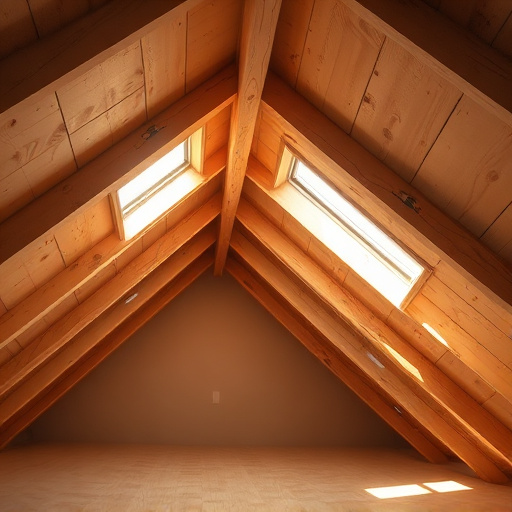
In the scorching desert heat, your roof plays a crucial role in keeping your home cool and comfortable. Proper ventilation is key, but many homeowners overlook its importance until signs of poor ventilation emerge: excessive heat buildup, high energy bills, and even mold growth. When undertaking a roof replacement, upgrading ventilation is a strategic move that can revolutionize your home's comfort and efficiency. This guide examines the intricacies of roof ventilation, from the benefits of low profile tile vents in our unique climate to the crucial balance of intake and exhaust. We'll explore how these upgrades can mitigate the effects of monsoon humidity, improve indoor air quality, and extend the life of your underlayment.
- Planning Ventilation Upgrades for Your Roof
- Selecting Low Profile Tile Vents for Optimal Aesthetics
- Installing Vents: Step-by-Step Guide for Success
- Maximizing Energy Efficiency with Proper Ventilation
Planning Ventilation Upgrades for Your Roof
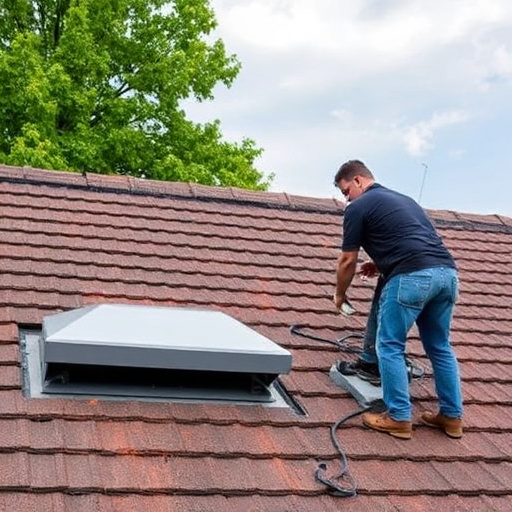
When planning a roof replacement, focusing on ventilation upgrades can significantly impact your home's comfort, energy efficiency, and structural integrity. In the desert heat, proper ventilation is crucial to prevent excessive attic warming, which can lead to a host of issues, from increased cooling costs to the growth of unwanted mold. A licensed Arizona roofer recommends considering both active and passive ventilation solutions, with a particular emphasis on low-profile tile vents, to ensure optimal air circulation.
One of the most effective ways to vent a roof is through turbine vents or solar attic fans. These devices are designed to maximize air flow without sacrificing aesthetics or functionality. Unlike traditional ridge vents, which are often visible and may not provide adequate air movement, low-profile tile vents are discreetly integrated into the roofing material, offering a sleek and practical solution. A homeowner in Oro Valley might opt for solar attic fans paired with strategically placed low-profile tile vents to combat the region's intense summer temperatures. This dual approach not only keeps the attic cool but also helps to prevent the buildup of hot air, thereby improving indoor comfort and reducing cooling bills.
Proper ventilation extends the lifespan of your roofing materials and underlayment. By allowing excess moisture and heat to escape, you can mitigate the risk of damage caused by condensation and prevent the growth of mold and mildew. When reroofing, it's essential to assess the existing ventilation system and make necessary upgrades. This might involve installing additional soffit vents, especially on stucco homes, or ensuring that the intake and exhaust are balanced for efficient air movement. For homes with no attic or unique architectural features like vaulted ceilings, incorporating whole house fans or targeted bath and kitchen roof exhaust can be a cost-effective and energy-efficient alternative to traditional attic ventilation.
Remember, the goal is to maintain a healthy balance of hot and cold air, keeping the attic at an optimal temperature to prevent excessive wear on your HVAC system. By strategically integrating low-profile tile vents and other ventilation solutions, you can achieve this balance while enhancing the overall efficiency and comfort of your Oro Valley home.
Selecting Low Profile Tile Vents for Optimal Aesthetics
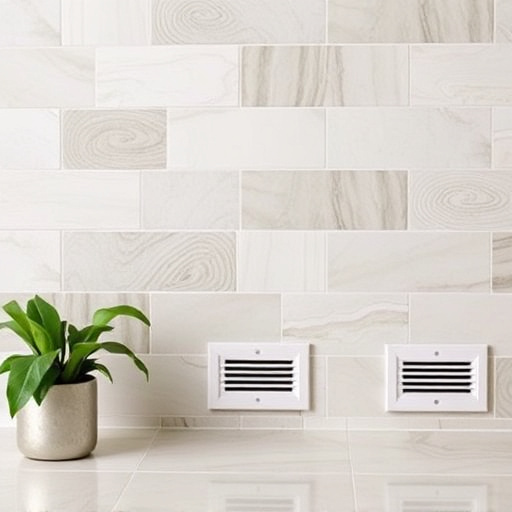
When upgrading ventilation during a roof replacement, particularly on a flat roof, choosing the right vents is crucial for both optimal performance and aesthetic appeal. Low profile tile vents, for instance, offer a sleek solution for homes in the desert heat where ventilation needs to be both effective and discreet. These vents are designed to blend seamlessly with the roofing material, providing efficient exhaust without sacrificing the home's curb appeal.
In the desert heat, effective ventilation is more than just a comfort; it's a health and safety measure. Proper exhaust helps regulate indoor air quality by removing hot, humid air and reducing the risk of mold growth, especially during monsoon seasons. When selecting vents, consider the specific challenges of your roof. Ridge vents are ideal for promoting air flow across the entire roof surface, while low profile tile vents can be strategically placed along the perimeter to expel hot air effectively. A licensed Oro Valley area roofing contractor recommends positioning them in areas with lower pitch or on flat roofs, ensuring they are unobstructed to facilitate optimal air circulation.
A key advantage of low profile tile vents is their ability to withstand the rigors of the desert climate.
Installing Vents: Step-by-Step Guide for Success
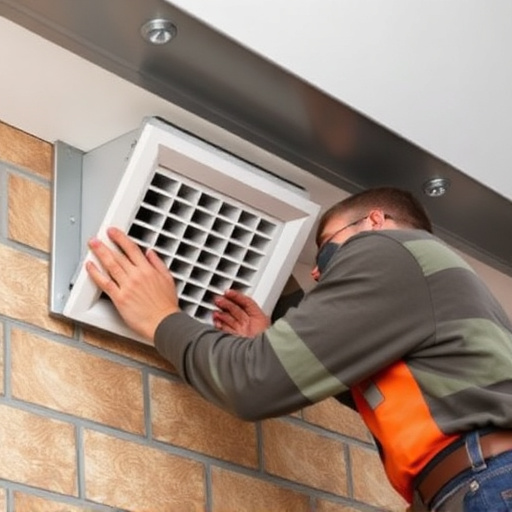
Installing vents during a roof replacement in Sun City Oro Valley is a crucial step to ensure a healthy, comfortable home. Proper ventilation not only enhances indoor air quality but also matters in maintaining the structural integrity of your roof, especially in the challenging desert heat. This step-by-step guide focuses on the installation of low profile tile vents, a popular and efficient option for many homes.
Start by assessing the specific needs of your home. In desert climates, proper intake ventilation is key to cooling the attic. Consider the placement of your ridge vents and the potential for wind-driven air flow. If your home has a flat roof or a vaulted ceiling, you'll need to incorporate passive ventilation strategies, like strategically placed soffit vents, to facilitate air movement. Keep in mind that the goal is to create a balanced intake and exhaust system.
When selecting vents, choose low profile tile vents for their sleek design and efficiency. These vents are designed to blend seamlessly with the roofing material, ensuring a clean, uncluttered look. Ensure they are properly sized for your roof's pitch and exposed area. An experienced Oro Valley roof specialist can assist with this measurement and selection process. Proper installation involves securing the vents to the roof decking with appropriate fasteners and sealing them to prevent leaks. Remember, adequate ventilation not only reduces heat buildup but also minimizes the risk of attic mold growth during monsoon seasons.
Maximizing Energy Efficiency with Proper Ventilation
As a local roofing company serving Oro Valley, we often encounter homeowners seeking ways to maximize energy efficiency in their homes, especially in our desert heat. Proper ventilation plays a crucial role in achieving this, as it helps control condensation, regulates indoor temperatures, and contributes to the overall comfort of your home. During a roof replacement, updating your ventilation system is an excellent opportunity to enhance energy efficiency and lower cooling costs.
One of the most effective ways to achieve this is by installing low profile tile vents. These vents are designed to blend seamlessly with your roofline, ensuring minimal visual impact while allowing for optimal air circulation. By strategically placing them, you can create a balanced intake and exhaust system, preventing hot air from stagnating in your attic and reducing the workload on your HVAC system. Consider the impact of monsoon humidity on your home. Proper ventilation helps alleviate the effects of this increased moisture, preventing condensation and the potential growth of attic mold.
Low profile tile vents work hand-in-hand with adequate insulation, another critical component of energy efficiency. By trapping cool air inside during the hot desert days, these vents ensure your home remains comfortable. A well-insulated attic, combined with efficient ventilation, can extend the life of your roofing materials and underlayment, protecting your investment. A Rancho Vistoso homeowner recently benefited from a roof replacement and ventilation upgrade, leading to significant reductions in their cooling bills. This case illustrates how smart ventilation choices can make a tangible difference in your energy costs and overall home comfort.
Frequently Asked Questions About a Guide to Ventilation Upgrades During a Roof Replacement
What is the primary benefit of upgrading ventilation during a roof replacement?
Upgrading ventilation can significantly improve indoor air quality, reduce moisture buildup, and lower energy costs. In the desert heat, proper ventilation helps regulate temperatures, preventing extreme fluctuations that can damage both your home and belongings. It also mitigates the risk of mold growth, a common issue in such climates, ensuring a healthier living environment.
How do I know if my roof needs better ventilation?
Examine your attic and roof structure. Look for signs of excessive moisture, mold, or mildew, as these are clear indicators of inadequate ventilation. Check for proper venting at the ridge, soffits, and vents, ensuring they're clean and unobstructed. If you suspect issues, consult a licensed Oro Valley area roofing contractor, like DC Roofing of Arizona, who can assess your specific situation.
What types of ventilation systems are commonly used in roof replacements?
There are several types, each suited to different needs. Standard ridge vents allow air to escape from the roof's highest point, while soffit vents let fresh air enter from the eaves. For more control, powered vents use fans to regulate airflow. Solar-powered options are eco-friendly alternatives, utilizing natural sunlight to create a draft. A licensed roofer will recommend the best fit for your home.
Will ventilation upgrades increase my roof replacement costs?
While it may add to the initial investment, the long-term benefits often outweigh the extra expense. Improved ventilation can extend the life of your roof, reducing the need for future repairs or replacements. Plus, better air quality can enhance indoor comfort, potentially lowering energy bills.
Can ventilation upgrades be done during a regular roof replacement?
Absolutely. Most installations take one to two days, and a licensed contractor will coordinate the process with your roof replacement. This ensures a seamless transition, enhancing your home's efficiency and safety without complicating the primary project.
Who should I hire for roof ventilation upgrades?
Hire a licensed and experienced Oro Valley roof specialist who understands local building codes and climate considerations. Look for a contractor with a proven track record and positive reviews, ensuring they have the necessary expertise and tools to complete the job efficiently and effectively.
As you've navigated this guide, you've gained invaluable insights into optimizing your roof's ventilation, especially in the unique climate of desert heat. From planning ventilation upgrades to selecting low profile tile vents, you now understand the critical role proper ventilation plays in energy efficiency, indoor air quality, and the longevity of your roof.
Implementing these strategies, like installing vents with a step-by-step guide, can significantly reduce cooling bills and improve comfort for your family, especially in upstairs rooms. By balancing intake and exhaust, using soffit vents on stucco homes, and considering whole house fans, you can achieve a well-ventilated home without sacrificing aesthetics.
Low profile tile vents, a key focus of this guide, offer a sleek solution for flat roofs, ensuring optimal airflow without compromising the home's visual appeal. By understanding the difference between ridge and off-ridge vents, you can make informed decisions tailored to your home's specific needs, including casita and addition venting.
Next steps include consulting local experts, such as the experienced Oro Valley roof specialists, who can provide tailored ventilation solutions. Don't forget to consider community programs and grant opportunities that support budget-friendly services and sustainable living. Embrace the power of proper ventilation, as it not only keeps your attic cool but also contributes to a healthier, more comfortable home.
When Upgrading Ventilation During a Roof Replacement in Oro Valley:
- Prioritize Active and Passive Solutions: Include low-profile tile vents for discreet, efficient air circulation.
- Address Desert Heat Challenges: Combats attic warming, reduces cooling costs, and prevents mold growth.
- Choose Vent Placement Strategically: Ridge vents for overall roof coverage, low-profile tile vents for perimeter exhaust.
- Enhance Energy Efficiency: Improves indoor comfort, reduces cooling bills, and extends roofing lifespan.
- Ensure Proper Balancing: Create a balanced intake and exhaust system for optimal performance.
- Consult a Licensed Roofer: An Oro Valley specialist can guide measurement and selection for optimal results.