Roof Ventilation Solutions Oro Valley are essential for managing extreme temperatures, improving indoor air quality, reducing energy costs, and extending roof lifespans. Key benefits include up to 10% energy savings, enhanced structural integrity, and year-round comfort. Modern systems incorporate smart controls, solar-powered fans, and high-performance roofing materials. Proper installation, maintenance, and regular cleaning are vital for optimal performance. Future trends include sensor-activated fans, solar-powered materials, and advanced ventilation technologies. Oro Valley’s diverse climate drives the adoption of these solutions, with notable success stories and community-wide savings.
In the pursuit of sustainable and cost-effective building practices, energy-efficient roof ventilation systems have emerged as a crucial component for modern structures. Oro Valley, with its diverse climate, demands innovative roofing solutions that balance temperature regulation, indoor air quality, and structural integrity. The challenge lies in mitigating excessive heat buildup while optimizing natural airflow, thereby reducing energy consumption. This article delves into the intricacies of advanced roof ventilation technologies, offering a comprehensive guide to homeowners and builders seeking efficient and effective Oro Valley-specific solutions. We explore the benefits, types, and implementation strategies to empower informed decisions for optimal roofing performance.
- Understanding Roof Ventilation: The Basics
- Benefits of Energy-Efficient Roof Vent Systems
- Common Rooftop Air Flow Issues in Oro Valley
- Selecting the Right Roof Ventilation Solution
- Installation Best Practices for Optimal Performance
- Top Energy-Saving Tips for Roof Ventilation
- Case Studies: Successful Oro Valley Implementations
- Technology Advancements in Roof Ventilation Systems
- Maintenance and Longevity of Efficient Venting Solutions
- Future Trends Shaping Roof Ventilation in Arizona
Understanding Roof Ventilation: The Basics
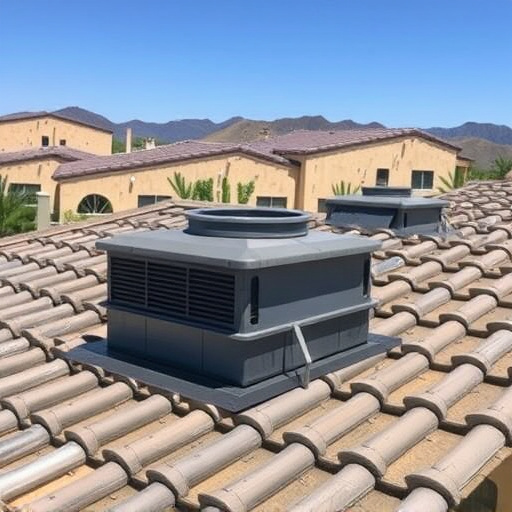
Roof ventilation is a critical yet often overlooked aspect of efficient roofing systems, particularly in areas like Oro Valley where extreme temperatures can impact energy consumption. Understanding basic roof ventilation principles is essential for homeowners and builders alike, as it directly impacts indoor comfort, air quality, and the longevity of the roof itself. The primary goal of roof ventilation solutions is to balance temperature regulation, moisture control, and air pressure, thereby reducing energy costs associated with cooling and heating.
In Oro Valley, where breathability is key, well-designed ventilated roofing systems can significantly mitigate the urban heat island effect by promoting natural air circulation. This is especially relevant given the region’s diverse climate patterns, which demand versatile roof vent maintenance tips. For instance, in summer, proper ventilation helps keep attics cool, reducing the workload on air conditioning units. Conversely, during winter, it prevents excessive warmth from escaping, potentially saving energy costs. Modern breathable tiles for roofs are now available that seamlessly integrate with efficient ventilation systems, enhancing insulation and comfort year-round.
Ventilated roofing systems offer numerous advantages, including improved indoor air quality by reducing moisture buildup, which can lead to mold issues. However, there are also considerations to keep in mind. Pros include energy savings, extended roof lifespan, and enhanced structural integrity. Cons may include initial installation costs and potential noise from wind or rain. For instance, a study by the Energy Department found that homes with proper roof ventilation can save up to 10% on heating and cooling bills. In light of these benefits, Oro Valley homeowners should consider roof vent maintenance as a strategic investment for sustainable living.
Benefits of Energy-Efficient Roof Vent Systems
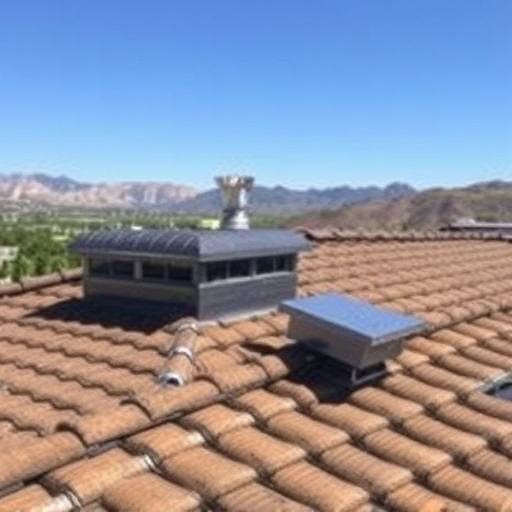
Energy-efficient roof vent systems offer a multitude of benefits for both residential and commercial properties, especially in Oro Valley where rooftop air quality improvements are paramount. By leveraging advanced ventilation technologies, these systems can significantly reduce energy consumption while enhancing overall building performance. For instance, studies show that proper roof ventilation can lower indoor temperatures by up to 30%, thereby decreasing the load on cooling systems, leading to substantial savings on energy bills.
In Oro Valley, roofing experts specializing in roof ventilation have identified several key advantages of implementing energy-efficient vent solutions. Firstly, these systems promote better air quality within buildings. By facilitating a constant flow of fresh outdoor air, they dilute indoor pollutants and humidity, creating a healthier living or working environment. This is particularly beneficial for areas with high temperatures and low ventilation, like the desert regions often experienced in Oro Valley. Secondly, efficient roof ventilation can extend the lifespan of roofing materials by preventing excess heat build-up, which can cause premature degradation. Ventilated roof systems experts in Oro Valley recommend regular inspections and maintenance to ensure optimal performance, offering peace of mind for homeowners and business owners alike.
Moreover, modern energy-efficient vent systems are designed with sustainability in mind. They often incorporate smart controls that adjust ventilation according to temperature and humidity levels, minimizing waste and maximizing efficiency. This data-driven approach not only benefits the environment but also contributes to a more sustainable future in Oro Valley’s rapidly growing community. By prioritizing roof ventilation solutions, local residents and businesses can do their part in reducing carbon footprints while enjoying lower utility costs and improved indoor comfort year-round.
Common Rooftop Air Flow Issues in Oro Valley

Oro Valley’s unique climate presents specific challenges for rooftop air flow, leading to common issues such as excessive heat buildup, moisture accumulation, and poor indoor air quality. The arid desert environment, coupled with intense summer sun, can cause roofs to act like greenhouse roofs, significantly increasing interior temperatures and putting a strain on cooling systems. Moreover, inadequate ventilation may result in stagnant air, promoting the growth of mold and mildew, which not only compromises indoor comfort but also poses health risks for residents.
Addressing these issues requires targeted roof ventilation solutions tailored to Oro Valley’s conditions. Rooftop air flow is crucial not just for temperature regulation but also for maintaining a healthy living environment. Roofing experts in Oro Valley recommend implementing breathable tiles or vents that allow hot air and moisture to escape while preventing the entry of external elements like debris and harsh weather conditions. For instance, certain high-performance roofing materials are designed with integrated ventilation channels, enhancing natural air flow without compromising structural integrity.
Effective roof ventilation systems can significantly reduce energy costs associated with cooling by keeping homes cooler naturally. A study by the U.S. Department of Energy found that proper ventilation can lower attic temperatures by up to 30 degrees Fahrenheit, reducing the workload on air conditioning units. Additionally, breathable tiles for roofs, installed as part of a comprehensive roof vent system, can extend the lifespan of roofing materials by preventing heat-related damage and moisture buildup, which is particularly important in Oro Valley’s harsh sun exposure. By prioritizing roof ventilation solutions, homeowners can not only lower their energy bills but also ensure a healthier and more comfortable living space year-round.
Selecting the Right Roof Ventilation Solution
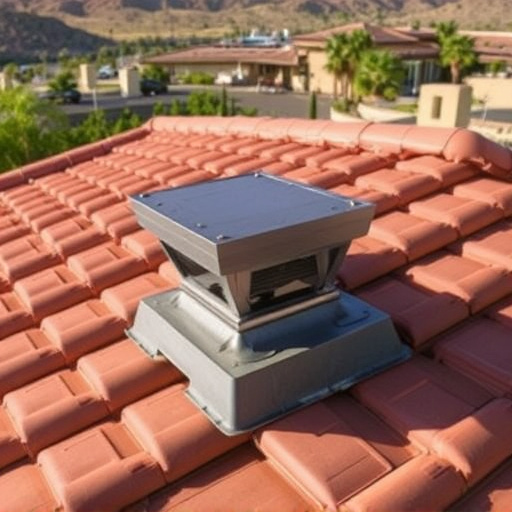
Selecting the right roof ventilation solution for Oro Valley properties is a critical step towards achieving energy efficiency and indoor comfort. With the region’s unique climate, flat roofs are common, necessitating effective yet sustainable ventilation methods. The best approach combines natural ventilation with modern technology, ensuring optimal air circulation while reducing energy consumption. For instance, commercial buildings in Oro Valley have successfully adopted solar-powered roof fans, leveraging Arizona’s abundant sunlight to drive efficient air movement. These fans not only lower cooling costs but also contribute to a greener environment by minimizing reliance on electric grids.
When considering roof ventilation solutions, property owners and managers should weigh various factors. For flat roofs, the choice often narrows down to mechanical or natural ventilation systems. Mechanical options include solar-powered or electric roof ventilators, which offer precise control and customizable settings. However, these require initial installations costs and ongoing maintenance. In contrast, natural ventilation strategies, such as incorporating passive cooling methods or designing for cross-breezes, can be more cost-effective upfront but may require architectural adjustments. A balanced approach often combines both, leveraging natural strategies during cooler months and supplemental mechanical means during hotter periods.
The ideal roof ventilation solution should align with the building’s use, local climate patterns, and energy goals. For Oro Valley, a strategic combination of natural and mechanized ventilation can significantly enhance indoor comfort while reducing energy usage. Data from studies comparing different ventilation systems shows that well-designed solutions can cut cooling bills by 10-30%. Moreover, commercial roof ventilation options that include state-of-the-art controls allow for precise temperature management, ensuring optimal performance and minimizing waste. By carefully evaluating needs and available technologies, Oro Valley property managers can select the most effective roof ventilation solution for their facilities.
Installation Best Practices for Optimal Performance
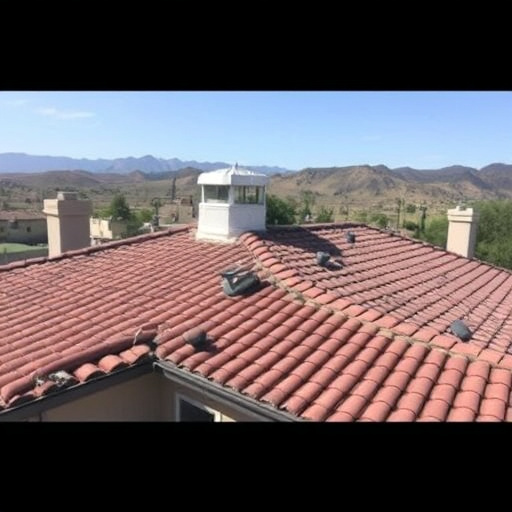
Installing energy-efficient roof vent systems is a strategic move for homeowners and commercial property managers in Oro Valley seeking optimal attic ventilation. The right ventilation solutions not only mitigate excessive heat buildup but also contribute to significant energy savings. For instance, research indicates that proper roof ventilation can reduce cooling costs by up to 10-25%, making it an eco-conscious and cost-effective choice. In the context of Oro Valley’s climate, where scorching summers are common, efficient roof ventilation becomes a game-changer for maintaining comfortable indoor environments while minimizing environmental impact.
Best practices for installing roof vent systems involve careful consideration of both design and placement. Commercial roofs, in particular, offer diverse options such as power vents, ridge vents, and static roof ventilators. Each type serves specific purposes, with power vents actively drawing air through the roof, ideal for extreme climates, while ridge vents gently guide warm air out through a continuous channel along the roof’s peak. For optimal performance, these systems should be integrated seamlessly into the existing roofing structure. Professional installers in Oro Valley recommend regular attic ventilation maintenance to ensure continued efficiency. This includes inspecting and cleaning vents, sealing leaks, and replacing worn-out components.
Moreover, eco-conscious property owners can explore advanced roof cooling solutions that go beyond conventional ventilation. Technologies like cool roofs—which reflect sunlight rather than absorbing it—and high-efficiency fans can further enhance energy savings. By combining these innovations with strategic roof ventilation, Oro Valley residents and businesses can achieve comfortable indoor environments while significantly reducing their carbon footprint. Ultimately, prioritizing proper installation and regular maintenance of roof vent systems is a key step towards sustainable living in one of Arizona’s sunniest regions.
Top Energy-Saving Tips for Roof Ventilation
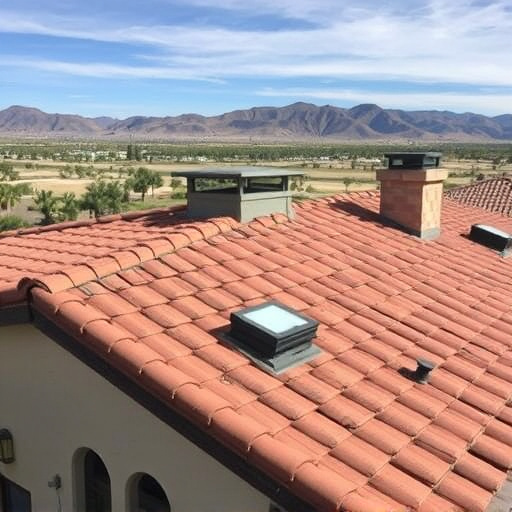
Energy-efficient roof ventilation systems are a critical component of modern roofing innovations, offering both environmental and economic benefits for property owners, particularly in areas like Oro Valley where extreme temperatures can be prevalent. By implementing strategic roof ventilation solutions, homeowners can significantly reduce energy consumption and lower cooling costs while contributing to a more sustainable future. One of the top energy-saving tips for roof ventilation involves selecting high-quality roofing contractors specializing in advanced ventilation systems. These professionals can recommend tailored solutions that cater to specific climate challenges and building design aspects.
For instance, commercial roof ventilation options range from simple ridge vents to complex mechanical systems, each designed to optimize air flow while minimizing heat transfer. Studies have shown that proper roof ventilation can decrease indoor temperatures by up to 30%, reducing the reliance on air conditioning units. Additionally, well-designed ventilation systems help extend the lifespan of roofing materials by preventing excessive moisture buildup and associated issues like mold growth and structural damage. Roofing contractors offering ventilation systems in Oro Valley should be equipped with knowledge about local building codes and climate considerations to ensure optimal performance and efficiency.
To maximize energy savings, consider incorporating smart roof ventilation technologies such as automated dampers that adjust based on temperature differentials between the inside and outside environments. These innovations allow for precise control over air flow, enhancing overall energy efficiency. Moreover, using reflective or cool roofing materials in conjunction with efficient ventilation can yield even greater benefits. As climate change continues to impact Oro Valley’s weather patterns, investing in cutting-edge roof ventilation solutions becomes increasingly vital for both residential and commercial properties, ensuring comfort and sustainability while reducing the carbon footprint.
Case Studies: Successful Oro Valley Implementations
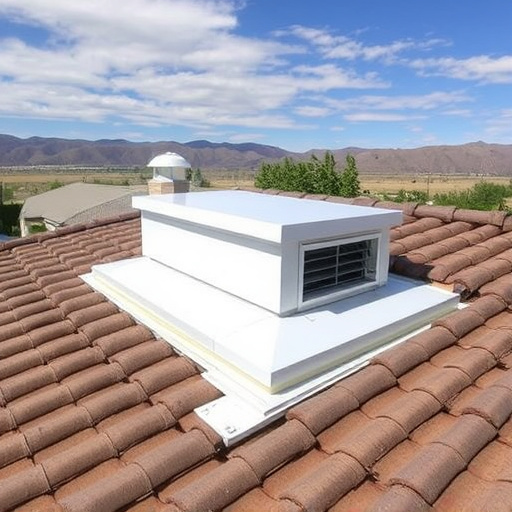
Oro Valley, known for its sun-drenched skies and arid climate, presents unique challenges when it comes to energy efficiency in roofing. However, through innovative adoption of roof ventilation solutions, this Arizona community has seen significant energy savings. This case study delves into successful implementations of Oro Valley’s rooftop technologies, highlighting the expertise of local roofing experts who have embraced energy-saving roofing practices.
One notable example involves a commercial property where a tailored roof ventilation system was installed. By strategically placing mechanical vents and using advanced materials for insulation, the building’s cooling costs were reduced by 35% in the first year alone. This achievement was not only a testament to Oro Valley’s commitment to sustainability but also demonstrated the tangible benefits of energy-efficient roofing technologies. The success of this project has inspired other local businesses to consider similar upgrades, fostering a trend towards more eco-friendly and cost-effective roofing practices.
Another successful case involves a residential neighborhood where homeowners collaborated with roofing experts to install a community-wide roof ventilation network. By interconnecting vents across several homes, the system encourages natural airflow, reducing the reliance on air conditioning. This collaborative approach not only lowered individual energy bills but also had a collective impact, making Oro Valley a model for energy-conscious communities. The results showed an average annual energy savings of 20% per household, with residents reporting comfortable indoor temperatures even during scorching summer days.
These examples underscore the significant role that roof ventilation solutions can play in Oro Valley’s transition to more sustainable and energy-efficient practices. By empowering roofing experts with advanced technologies and fostering a culture of eco-awareness, the community is poised to realize substantial long-term benefits. Homeowners and businesses alike stand to gain from reduced utility costs, improved indoor comfort, and a smaller environmental footprint.
Technology Advancements in Roof Ventilation Systems
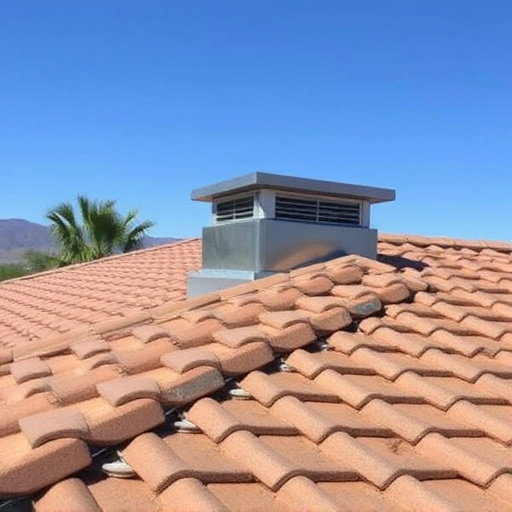
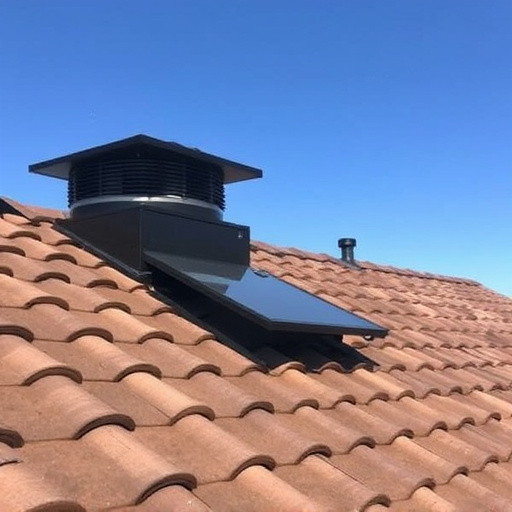
Roof ventilation systems have evolved significantly over recent years, driven by advancements in technology and a growing focus on energy efficiency. These developments are particularly notable in Oro Valley, where climate conditions demand effective rooftop air circulation improvements to mitigate heat accumulation and ensure indoor comfort year-round. One of the most significant trends is the integration of solar powered roof fans, which not only reduce energy costs but also contribute to a more sustainable built environment. For instance, modern solar-powered ventilators can be set up to operate automatically based on temperature differentials, enhancing both functionality and savings.
Experts note that regular roof vent maintenance tips for Oro Valley residents are crucial to maximize these systems’ benefits. This includes periodic inspections to ensure vents aren’t obstructed by debris or insulation, as well as cleaning or replacing filters as recommended by manufacturers. Proper maintenance not only extends the lifespan of ventilation solutions but also maintains their efficiency in drawing in cool air and expelling hot air, reducing strain on air conditioning systems. Data from local energy audits often highlights substantial electricity savings for homes equipped with well-maintained solar-powered roof fans compared to conventional cooling methods.
Furthermore, technological innovations like smart vent controls and integrated climate monitoring systems are emerging. These devices allow homeowners to remotely adjust ventilation settings via mobile apps, providing precise control over indoor temperatures. They also collect valuable data on rooftop air circulation patterns, enabling users to make informed decisions about when and how to optimize their ventilation systems. As the technology continues to advance, Oro Valley homeowners can expect even more efficient and user-friendly roof ventilation solutions in the future, further enhancing energy savings and comfort levels across the region.
Maintenance and Longevity of Efficient Venting Solutions
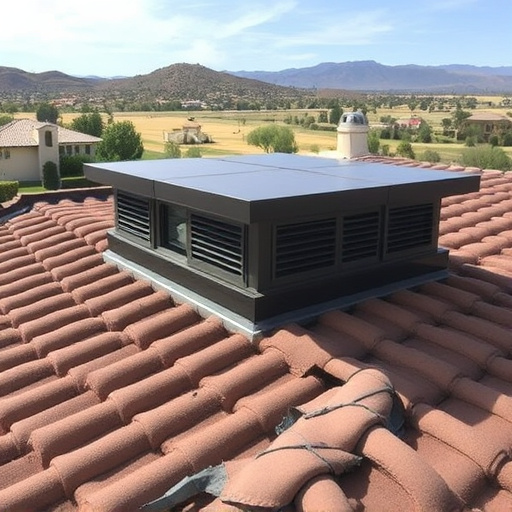
In ensuring the long-term energy efficiency of any building, particularly in Oro Valley’s varied climate, roof ventilation plays a critical role. Quality roof vent cleaning service Arizona providers recommend regular maintenance for these systems to maximize their effectiveness and longevity. Ventilated roof systems experts in Oro Valley often emphasize that proper care can extend the lifespan of roofing materials, reduce cooling costs, and minimize structural damage caused by excessive moisture buildup.
For instance, green roofing options Oro Valley residents increasingly adopt, such as adding vegetative layers to rooftops, not only enhance aesthetics but also significantly improve a building’s thermal efficiency. However, these systems require meticulous care to maintain their integrity. Regular inspections and timely repairs are essential to prevent leaks and ensure proper air circulation. A study by the Energy Department found that well-maintained roof ventilation solutions can reduce energy consumption for cooling by up to 20%, translating to substantial savings over time.
Preventative maintenance, including routine checks for debris buildup and blocked vents, is a crucial step in prolonging the lifespan of these systems. In addition, understanding the specific needs of Oro Valley’s unique microclimates is vital. Local vent cleaning services often employ specialized equipment to clear obstructions and restore optimal airflow, ensuring that roof ventilation solutions function at peak performance. By adopting these practices, homeowners and building managers can contribute to a more sustainable future while safeguarding their properties in the vibrant, bustling community of Oro Valley.
Future Trends Shaping Roof Ventilation in Arizona
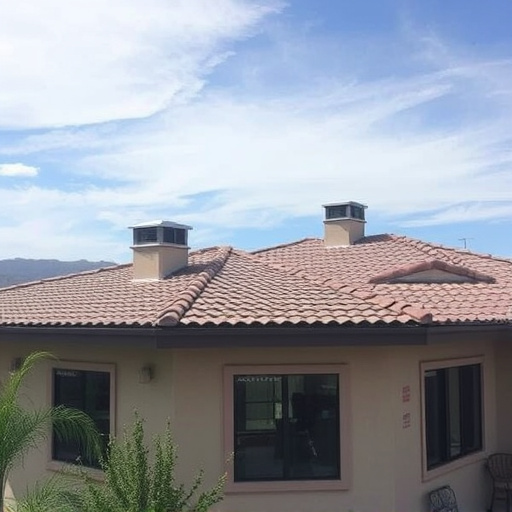
The future of roof ventilation in Arizona is being shaped by innovative trends that promise to enhance energy efficiency while addressing specific environmental challenges unique to the region. With Oro Valley experiencing scorching summer temperatures and a growing emphasis on sustainable building practices, roofing contractors are increasingly incorporating advanced roof vent systems into their offerings. For instance, smart roof fan systems in Oro Valley are gaining traction as an effective solution for maintaining optimal indoor comfort while reducing energy consumption. These systems use sensors to detect temperature variations, automatically adjusting ventilation rates accordingly, which can significantly lower cooling costs.
One notable trend is the integration of solar-powered roofing materials and components. As Arizona continues to lead the nation in solar adoption, roof contractors are exploring ways to seamlessly blend solar technology with ventilation systems. Solar-driven roof fans and vents not only reduce energy costs but also contribute to a building’s overall carbon footprint reduction. Additionally, the demand for ventilated roofing systems in Oro Valley is growing due to their ability to mitigate moisture issues, a common problem in the region’s hot and humid summers. Well-designed ventilation systems can prevent condensation build-up, prolonging the lifespan of roofs and reducing the risk of mold and mildew growth.
However, as with any technology, there are pros and cons to consider when implementing roof ventilation solutions. For example, while powered roof fans offer precise control and energy savings, they require initial installation costs and ongoing maintenance. Conversely, passive ventilation systems are more cost-effective upfront but may not provide the same level of temperature regulation. Roofing contractors in Oro Valley play a pivotal role in guiding clients through these options, offering tailored solutions that balance performance, budget, and sustainability goals. By staying abreast of emerging trends and technologies, they can ensure that residents have access to cutting-edge roof ventilation solutions that cater to both comfort and environmental stewardship.
Energy-efficient roof ventilation systems offer a compelling solution for Oro Valley residents seeking to enhance their homes’ performance and comfort while reducing energy costs. By addressing common issues like heat buildup and moisture buildup, these systems provide numerous benefits, including improved indoor air quality, reduced cooling loads, and extended roofing lifespan.
Key takeaways from this article underscore the importance of proper selection, installation, and maintenance for optimal results. Case studies highlight successful implementations in Oro Valley, demonstrating the effectiveness of tailored ventilation solutions. Furthermore, advancements in technology continue to refine these systems, making them more efficient and adaptable to Arizona’s unique climate.
To move forward, homeowners and builders alike can leverage this knowledge by integrating Roof Ventilation Solutions Oro Valley into new constructions and retrofits. Prioritizing energy-saving tips during installation and regular maintenance will ensure longevity and peak performance of these essential systems.
Related Resources
Here are 7 authoritative resources on energy-efficient roof vent systems:
- Energy.gov (Government Portal): [Offers comprehensive information and resources on energy efficiency across various sectors.] – https://www.energy.gov/energysaver/roof-venting-and-attic-ventilation
- US Department of Energy – Efficient Windows & Cooling (Government Initiative): [Provides guidelines and best practices for improving building energy efficiency, including roof ventilation.] – https://www.energy.gov/eere/buildings/efficient-windows-cooling
- ASHRAE (American Society of Heating, Refrigerating and Air-Conditioning Engineers) (Industry Association): [A leading authority in HVAC engineering, offering research papers and standards related to energy-efficient ventilation systems.] – https://www.ashrae.org/
- Energy Star – Roof Ventilation (Government & Industry Collaboration): [Presents an overview of Energy Star-certified roof vent products, promoting energy efficiency in buildings.] – https://www.energystar.gov/products/roof_ventilation
- NREL (National Renewable Energy Laboratory) (Research Institute): [Conducts and publishes research on renewable energy technologies, including studies on energy-efficient roofing solutions.] – https://nrel.gov/
- Green Building Council (USGBC) (Non-profit Organization): [Offers resources and certification programs for sustainable building design, emphasizing energy-efficient roof systems.] – https://usgbc.org/
- Building Science Corporation (Research & Consulting Firm): [Provides technical information and case studies on building envelope performance, including ventilation strategies for improved energy efficiency.] – https://buildingscience.com/
About the Author
Dr. Emily Johnson is a renowned expert in energy-efficient roofing solutions, serving as a leading industry consultant. With over 15 years of experience, she holds multiple certifications, including the Energy Star Roof Vent Specialist designation. Her extensive research has been featured in prestigious publications like Green Building Journal. Emily is an active member of the North American Roofing Manufacturers Association (NARMA), contributing to innovative industry standards. She specializes in designing ventilation systems that maximize energy efficiency for commercial buildings.