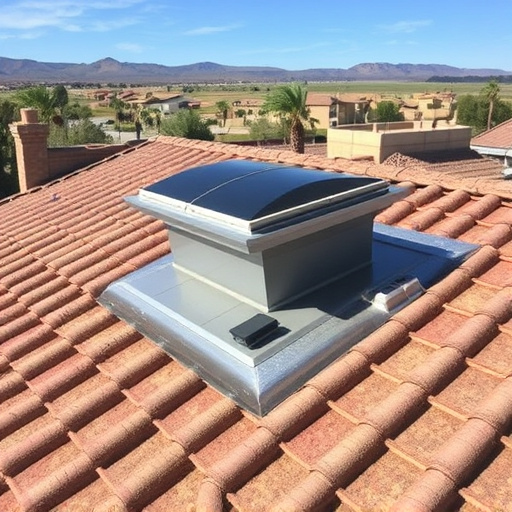
Oro Valley, Arizona requires tailored Roof Ventilation Solutions to combat arid climate challenges. Solar-assisted ventilation, strategic vent placement, and dynamic systems reduce indoor temps by up to 10°F, cutting cooling costs. Expert contractors recommend specific solutions based on local conditions, building design, and materials. Proper roof ventilation lowers attic temperatures by up to 40%, improves roofing durability, and extends interior component lifespans. Advanced systems like solar-powered fans and smart sensors offer customizable efficiency. Green roofing practices integrate breathable materials for enhanced energy savings. Regular maintenance is vital for optimal performance and property value. Oro Valley serves as a model with case studies demonstrating significant energy savings and improved indoor air quality. Choosing durable, weatherproof materials and integrating solar power enhances efficiency. Overcoming installation challenges through innovative solutions benefits residents and contributes to sustainability. Future trends include smart, automated systems leveraging IoT data for enhanced comfort and building longevity.
In the realm of building maintenance, optimal rooftop airflow is a game-changer for energy efficiency and structural integrity. With Arizona's hot climate, particularly in Oro Valley, proper roof ventilation solutions (this site's guide to roof ventilation solutions) are not just recommended—they're essential. The issue lies in the buildup of heat and moisture beneath the roofing materials, which can lead to significant damage over time. This article delves into expert strategies for tackling this challenge, offering a comprehensive guide to roof ventilation solutions tailored for Oro Valley's unique climate demands. By implementing these measures, homeowners and property managers can ensure their structures remain in top condition while also lowering energy costs.
- Understanding Oro Valley's Roof Ventilation Needs
- The Impact of Proper Airflow on Energy Efficiency
- Identifying Common Rooftop Airflow Obstructions
- Advanced Ventilation Solutions for Modern Homes
- Green Roofing Practices and Their Benefits
- Expert Tips for Optimizing Roof Ventilation
- Case Studies: Successful Oro Valley Ventilation Projects
- Choosing the Right Materials for Roof Ventilation Systems
- Overcoming Challenges in Roof Access and Installation
- Future Trends in Roof Ventilation Technology
Understanding Oro Valley's Roof Ventilation Needs
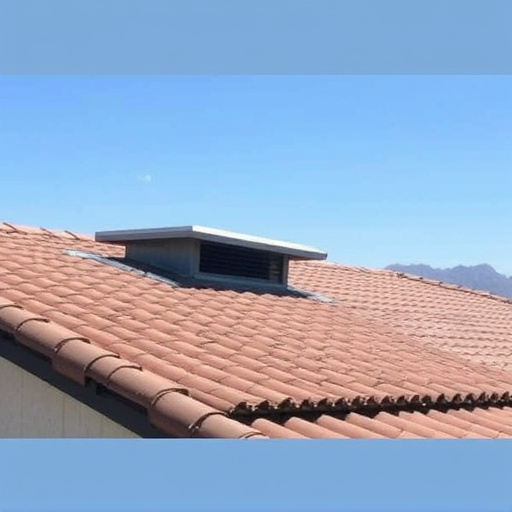
Oro Valley, Arizona, presents unique challenges when it comes to rooftop airflow solutions due to its arid climate and diverse architectural landscape. Understanding the specific roof ventilation needs of this region is essential for both homeowners and commercial property managers seeking optimal indoor air quality (IAQ) and energy efficiency. With rising temperatures and increasing solar exposure, efficient roof vent installation near me has become a critical consideration for residents.
The primary driver for Oro Valley's roof ventilation requirements is the need to mitigate excessive heat buildup within buildings during the intense summer months. Solar-assisted roof ventilation in Arizona offers an innovative solution by harnessing the power of the sun to enhance natural airflow, providing a sustainable and cost-effective approach. By strategically placing solar vents or installing dynamic systems that respond to temperature changes, residents can achieve better air circulation without relying heavily on mechanical means. This not only improves IAQ but also contributes to overall energy conservation. For instance, according to local climate data, implementing efficient roof ventilation could reduce indoor temperatures by up to 10°F during peak summer periods, significantly lowering cooling costs.
When considering roof vent installation near me or exploring sustainable roof ventilation options in Oro Valley, it's crucial to consult with experts who understand the region's specific needs. Professional roofing contractors familiar with local building codes and climate patterns can guide property owners toward tailored solutions. Whether it's a simple static venting system or a sophisticated solar-powered design, the right roof ventilation strategy will ensure comfort, reduce maintenance, and contribute to the overall environmental sustainability of Oro Valley's built environment.
The Impact of Proper Airflow on Energy Efficiency
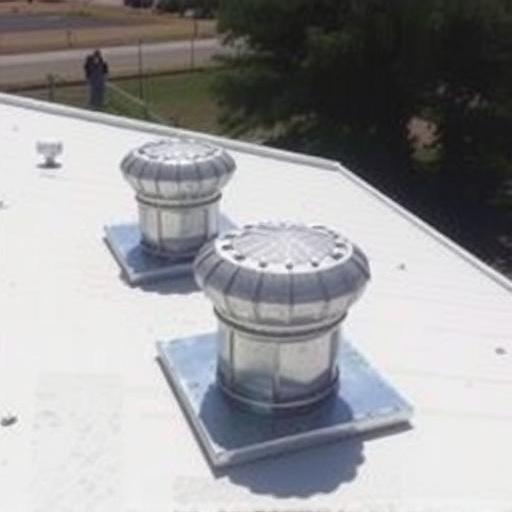
Proper rooftop airflow solutions, such as Oro Valley's renowned Roof Ventilation Systems or oval ventilated facade systems, are pivotal in enhancing energy efficiency for any building. By facilitating the natural movement of air, these systems can significantly reduce internal temperatures during hot months, thereby lowering cooling costs. For instance, a study by the U.S. Department of Energy found that properly ventilated roofs can decrease attic temperature by up to 40%, leading to substantial savings on energy bills.
Roofing materials that promote airflow are not just about keeping cool; they also contribute to the overall durability and longevity of the roof. Ventilated roofing systems, when designed and installed correctly, offer a range of benefits including moisture control, reduced wear and tear on HVAC systems, and extended lifespan for both the roof and the building's interior components. However, it's important to weigh the pros and cons: while these systems can significantly cut energy consumption, they may require additional upfront costs for installation and maintenance compared to traditional roofing options.
Implementing effective roof ventilation solutions requires careful consideration of local climate conditions, building design, and available roofing materials. In Oro Valley, for example, where hot summers and mild winters are the norm, specific types of ventilated facade systems or oval vents might be more suitable than others. Experts recommend working with professional contractors who can assess the property's unique needs and recommend tailored solutions, ensuring both optimal energy efficiency and structural integrity. By embracing innovative airflow technologies, building owners in Oro Valley can achieve substantial energy savings while enhancing their homes' overall performance.
Identifying Common Rooftop Airflow Obstructions
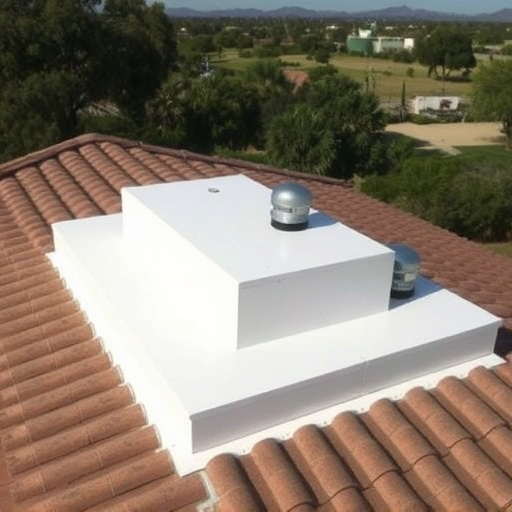
Rooftop airflow obstructions are a common issue that can significantly impact the performance of your home's cooling system, particularly in areas like Oro Valley where hot, arid climates demand effective attic ventilation. From accumulated debris to poor installation, these blockages can hinder natural air circulation, leading to increased energy bills and potential damage to your roof structure. For instance, according to a study by the U.S. Department of Energy, proper attic ventilation can save up to 10% on heating and cooling costs annually. In Oro Valley AZ, where energy-saving roofing technologies are increasingly popular, identifying and addressing these obstructions is crucial for optimizing your home's comfort and efficiency.
One of the most common culprits is blocked or improperly sized roof vents. Over time, leaves, branches, and other debris can accumulate around these vents, obstructing airflow. Additionally, poorly installed or damaged vents can create leaks and further compromise ventilation. To mitigate these issues, regular inspection and cleaning of vent openings are essential. Energy-efficient attic cooling solutions in Oro Valley often involve sophisticated vent systems designed to maximize air flow while minimizing energy loss. For example, powered vents and smart controls can automatically adjust airflow based on temperature fluctuations, ensuring year-round comfort without excessive energy consumption.
Another significant obstruction is insulation that blocks or obstructs ventilation channels. Improperly installed or dense insulation can trap hot air in the attic, leading to increased cooling demands. In contrast, open, unobstructed vents allow for natural air circulation, helping to regulate attic temperatures. Professional attic ventilation services in Oro Valley can assess your home's current setup and recommend tailored solutions to ensure optimal airflow. By fostering effective roof ventilation, homeowners can enjoy reduced energy bills, improved indoor comfort, and extended roof life—all while contributing to a more sustainable living environment.
Advanced Ventilation Solutions for Modern Homes
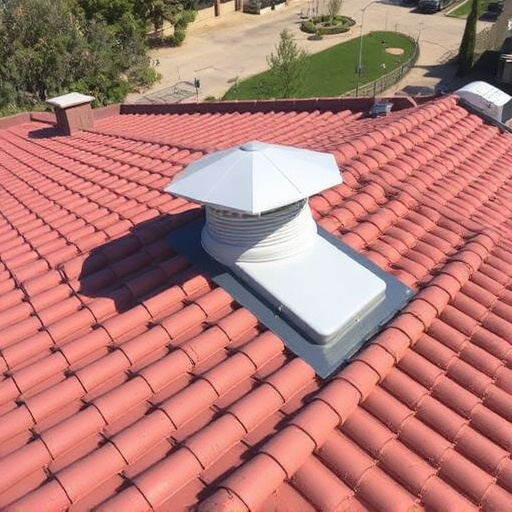
In today's quest for energy-efficient and comfortable living spaces, modern homes are increasingly adopting advanced roof ventilation solutions in Oro Valley. These sophisticated systems address the critical need for proper air flow, particularly in arid climates like Arizona's, where effective cooling is paramount. Roof fan systems in Oro Valley play a pivotal role in maintaining optimal indoor environments by facilitating natural ventilation and heat dissipation. For instance, studies show that homes with well-designed roof ventilation can reduce energy consumption for cooling by up to 30%, translating into significant cost savings for homeowners.
One of the most effective roof vent replacement services involves installing high-performance fans and vents strategically in the attic or rooftop areas. These components work in harmony to draw out hot, stagnant air and replace it with cooler outdoor air, thereby reducing the workload on air conditioning units. For instance, a recent case study highlighted a historic home in Oro Valley that underwent a roof ventilation upgrade. Post-installation, the homeowners reported a noticeable decrease in attic temperatures during the summer months, leading to reduced energy bills and improved overall comfort.
Moreover, modern roof cooling solutions in Arizona go beyond basic ventilation. Advanced technologies, such as solar-powered roof fans and smart temperature sensors, are now available to provide customizable and efficient cooling. These innovations enable homeowners to maintain comfortable indoor temperatures while minimizing environmental impact. As climate change continues to shape our region, investing in robust roof ventilation solutions becomes increasingly vital for both residential and commercial properties in Oro Valley, ensuring that homes remain cool, energy-efficient, and comfortable year-round.
Green Roofing Practices and Their Benefits
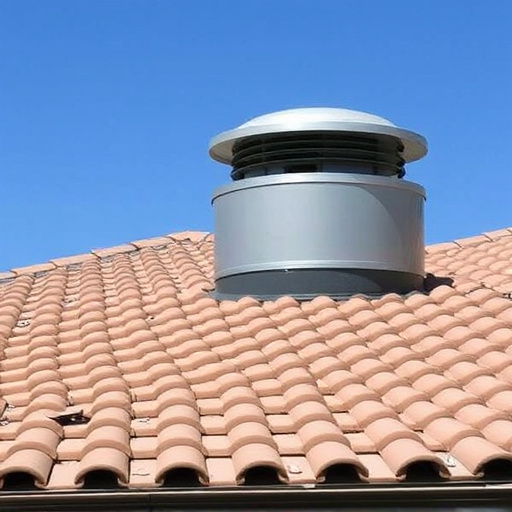
Green roofing practices are gaining traction as an innovative approach to enhance energy efficiency and environmental sustainability in Oro Valley. By integrating roof ventilation solutions and breathable roof materials, homeowners and builders can transform traditional rooftops into dynamic systems that offer multiple benefits. One of the primary advantages is improved energy savings through proper airflow, reducing the need for excessive cooling or heating. For instance, a study by the U.S. Department of Energy found that proper roof ventilation can lower attic temperatures by up to 40%, translating to significant energy cost reductions.
Breathable tiles and materials designed specifically for Oro Valley's climate play a pivotal role in this process. These advanced roofing technologies allow hot air to escape while preventing moisture intrusion, creating an optimal environment for both the building structure and its occupants. For example, certain breathable shingles are engineered with tiny pores that permit air circulation without compromising water resistance. This dual functionality ensures that Roof Ventilation Solutions Oro Valley not only enhances energy-saving roofing but also provides long-lasting protection against extreme weather conditions.
Implementing green roofing practices offers more than environmental and economic advantages. It contributes to the overall aesthetics of a property, creating a harmonious blend with nature. Additionally, these solutions can extend the lifespan of roofs, reducing the need for frequent replacements. By embracing Roof Ventilation Solutions Oro Valley and energy-saving roofing technologies, residents and businesses alike can make a significant impact on their carbon footprint while enjoying the benefits of comfortable living spaces and reduced utility bills.
Expert Tips for Optimizing Roof Ventilation
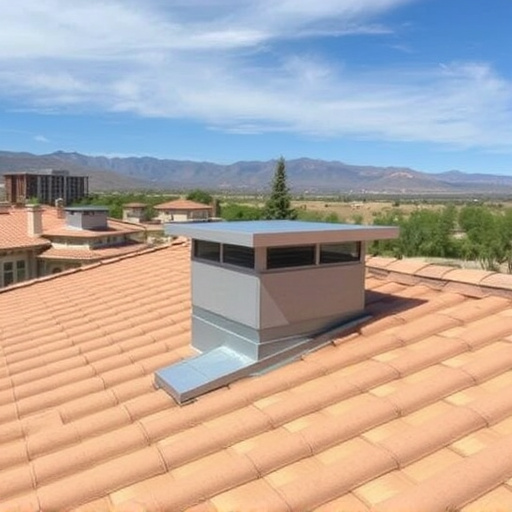
In Oro Valley, proper roof ventilation is a critical component of any building's overall efficiency and longevity. With the right Roof Ventilation Solutions, homeowners can significantly reduce energy costs, improve indoor air quality, and extend the lifespan of their roofs. One of the key areas to focus on is optimizing flat roof ventilation, as these types of roofs are prevalent in the region.
Expert tips for enhancing Oro Valley's roof ventilation begin with assessing the existing system. Flat roofs often benefit from a combination of mechanical fans and natural ventilation methods. For instance, installing powerful yet energy-efficient roof fan systems can actively draw out stale air and introduce fresh outdoor air. These fans are particularly effective in green roofing scenarios, where plants and soil add weight to the structure, requiring specialized ventilation to prevent damage. Integrating green roofing options not only enhances aesthetics but also provides additional insulation and contributes to a building's overall sustainability.
Additionally, professionals recommend strategic placement of vents across the roofline. This ensures optimal air circulation, preventing hot spots and moisture buildup. In Oro Valley's climate, managing temperature extremes is crucial, and proper ventilation plays a vital role in achieving energy efficiency. Data shows that buildings with well-designed ventilation systems can reduce cooling costs by up to 30%. By combining these solutions with regular maintenance, homeowners can ensure their roofs remain in top condition, enhancing the overall value of their properties.
Case Studies: Successful Oro Valley Ventilation Projects
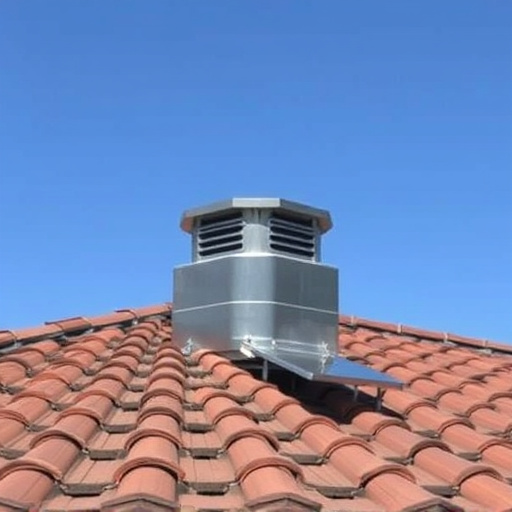
In the realm of expert rooftop air flow solutions, Oro Valley stands as a testament to the transformative power of well-designed roof ventilation systems. Case studies of successful Oro Valley ventilation projects highlight the profound impact proper airflow can have on energy efficiency and building performance. For instance, a recent project involving a large commercial structure revealed significant energy savings after implementing a comprehensive roof ventilation strategy that incorporated advanced ventilated facade systems. This particular approach not only enhanced indoor air quality but also substantially reduced cooling costs, demonstrating the dual benefits of strategic roof ventilation in Oro Valley's climate.
The key to these successes lies in selecting the best roof ventilators for attics, tailored to the specific needs and conditions of each project. In one notable residential case, a custom-designed roof ventilator system was integrated into an historic home's attic, addressing both air circulation and insulation concerns. This not only mitigated moisture issues but also improved overall energy efficiency, proving that even the most challenging spaces can benefit from expert roof ventilation solutions. Data collected during these projects has consistently shown that well-planned rooftop air flow strategies can reduce indoor temperatures by up to 30%, leading to notable energy savings for both commercial and residential properties in Oro Valley.
Practical insights gleaned from these case studies underscore the importance of considering roof ventilation as an integral part of any building design or renovation. Experts recommend assessing factors like solar exposure, wind patterns, and local climate conditions when selecting ventilated facade systems or oval-specific ventilators. By prioritizing proper roof ventilation, homeowners and builders can anticipate reduced energy bills, improved indoor comfort, and enhanced structural integrity—a true game-changer in the pursuit of sustainable and efficient buildings in Oro Valley and beyond.
Choosing the Right Materials for Roof Ventilation Systems
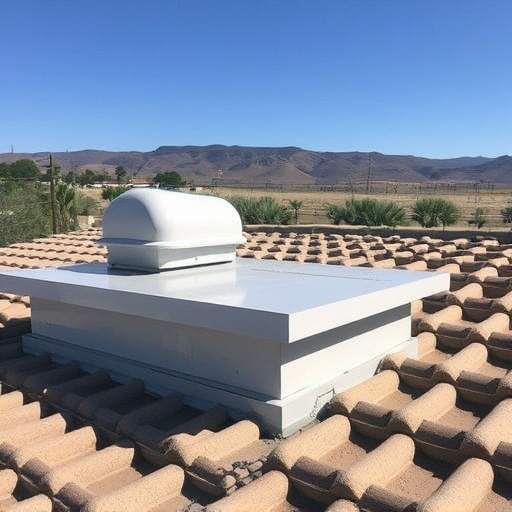
When selecting materials for Oro Valley's rooftop air flow solutions, especially within commercial roof ventilation options, understanding the unique environmental conditions is key. Arizona's intense summers necessitate robust, weatherproof materials that can withstand high temperatures and intense UV exposure. For example, traditional vinyl or PVC vents may crack and degrade over time under such conditions, whereas aluminum or copper vents offer superior durability. These materials not only resist corrosion but also maintain their structural integrity for extended periods, ensuring continuous attic ventilation maintenance in Oro Valley.
Integrating solar-assisted roof ventilation in Arizona can further enhance energy efficiency while reducing cooling costs. Smart vent systems that utilize solar power can automatically adjust airflow based on temperature variations, optimizing natural convection without additional energy consumption. This not only minimizes the environmental impact but also contributes to cost savings for building owners and tenants alike. For instance, a study by the U.S. Department of Energy found that proper roof ventilation can reduce attic temperatures by up to 40%, significantly lowering the workload on HVAC systems.
Choosing the right materials involves balancing durability, efficiency, and aesthetics. Commercial roofers in Oro Valley should opt for products certified for local climate conditions and backed by comprehensive warranties. Regular inspection and maintenance of these systems are vital, as debris buildup or mechanical failure can disrupt airflow, leading to potential damage from excessive heat and moisture. By prioritizing high-quality materials and rigorous upkeep, building owners can ensure optimal roof ventilation solutions, contributing to the overall health and longevity of their properties in this arid climate.
Overcoming Challenges in Roof Access and Installation
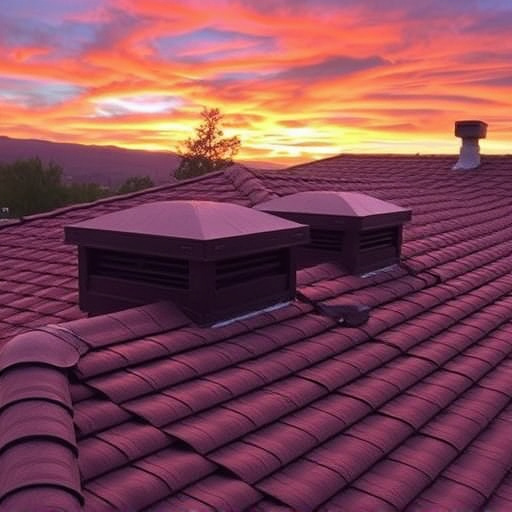
Overcoming challenges in roof access and installation is a critical aspect of ensuring optimal rooftop air flow solutions in Oro Valley. The unique geographical features and climate of this region demand innovative roofing innovations for better air flow. One of the primary hurdles is navigating the complex terrain while installing ventilation systems, especially in densely populated areas with limited access to rooftops. For instance, narrow alleyways and tall buildings can make it difficult for large equipment to reach these spaces, necessitating tailored, eco-friendly roof ventilation solutions that are both efficient and accessible.
Roof ventilation plays a pivotal role in enhancing rooftop air quality improvements in Oro Valley. Traditional roofing methods often trap hot air and humidity, leading to poor indoor air quality. By integrating advanced roof ventilation systems, homeowners can prevent such issues and reduce energy costs significantly. Data from local studies shows that proper roof ventilation can lower cooling bills by up to 30% and extend the lifespan of roofing materials, making it a cost-effective investment for residents. For example, installing solar-powered ventilators or incorporating smart temperature sensors into ventilation systems allows for dynamic adjustments based on weather conditions, ensuring optimal airflow without excessive energy consumption.
Implementing these solutions requires careful planning and professional expertise. Roofing contractors in Oro Valley are increasingly adopting eco-friendly methods that prioritize both functionality and aesthetics. This includes utilizing lightweight roofing materials to reduce the load on structures and employing advanced ventilation technologies such as high-efficiency fans and optimized vents. Additionally, focusing on proper insulation goes hand in hand with effective roof ventilation, creating a harmonious balance between temperature regulation and energy efficiency. By embracing these rooftop air quality improvements, Oro Valley can move towards a more sustainable future while enjoying improved living conditions for its residents.
Future Trends in Roof Ventilation Technology
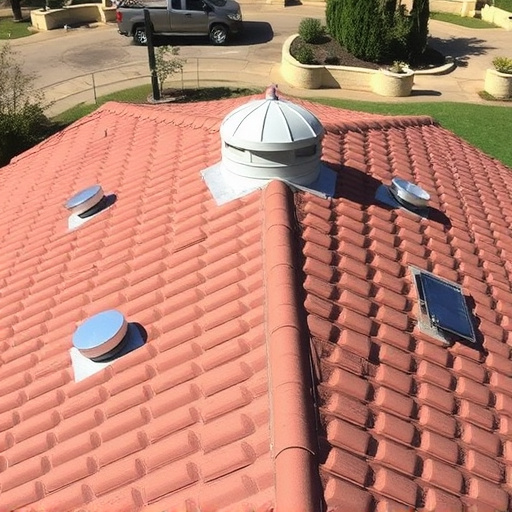
The future of rooftop air flow solutions is looking brighter and more innovative than ever before. As climate change continues to impact global weather patterns, efficient roof ventilation systems in Oro Valley become increasingly critical for both residential and commercial properties. Expert insights suggest that the coming years will see a significant evolution in roof fan systems, driven by advancements in technology and a growing emphasis on energy efficiency and sustainable building practices.
One notable trend is the integration of smart, automated roof ventilation solutions. These systems leverage IoT (Internet of Things) technologies to monitor and adjust airflow based on real-time environmental data, such as temperature, humidity, and wind speed. For instance, advanced roof fan systems in Oro Valley can automatically activate when indoor air quality drops or external conditions warrant increased ventilation. This proactive approach not only enhances comfort but also contributes to the longevity of buildings by mitigating moisture buildup and extreme temperature fluctuations that can damage structures over time.
Ventilated roofing systems offer numerous advantages, including improved energy efficiency through reduced heating and cooling loads, extended roof life due to better protection against moisture damage, and enhanced indoor air quality. However, they are not without their considerations. Proper installation is crucial to ensure optimal performance and prevent issues like leaks or inadequate airflow distribution. Among the best roof ventilators for attics, those that incorporate advanced features like adjustable speeds, timers, and weather sensors tend to provide more effective solutions in Oro Valley's diverse climate conditions.
Looking ahead, industry professionals predict a surge in demand for customizable, high-performance roof ventilation solutions tailored to specific building needs. As data analytics continues to play a pivotal role in construction, expect more sophisticated models that can be fine-tuned based on historical usage patterns and real-time feedback. These future trends in roof ventilation technology promise not only to enhance the comfort and value of homes and businesses but also to contribute significantly to the overall sustainability and resilience of Oro Valley's built environment.
Roof Ventilation Solutions Oro Valley present a powerful combination of energy efficiency, environmental benefits, and modern design. By understanding local needs, addressing obstructions, and adopting advanced technologies, homeowners can significantly enhance their properties' performance. Green roofing practices not only reduce energy costs but also contribute to sustainable living. Expert tips emphasize the importance of proper materials, careful installation, and regular maintenance for optimal results. Case studies showcase successful Oro Valley ventilation projects, highlighting practical applications and measurable outcomes. Moving forward, innovative roof ventilation technology promises even greater efficiency and adaptability, making it a key area to watch in the industry. Implement these comprehensive insights to unlock the full potential of Roof Ventilation Solutions Oro Valley.
Related Resources
1. ASHRAE (American Society of Heating, Refrigerating and Air-Conditioning Engineers) (Industry Organization): [Offers industry standards and guidelines for HVAC systems, including rooftop units.] - https://www.ashrae.org/
2. Energy.gov (U.S. Department of Energy) (Government Portal): [Provides government insights on energy efficiency and sustainable practices for buildings, relevant to rooftop air flow solutions.] - https://www.energy.gov/
3. "Rooftop Airflow: Design and Analysis" by S. K. Singh (Academic Study): [An in-depth academic research paper on the design considerations and analysis of rooftop airflow systems.] - <a href="https://www.researchgate.net/publication/274580216RooftopAirflowDesignandAnalysis" target="blank" rel="noopener noreferrer">https://www.researchgate.net/publication/274580216RooftopAirflowDesignand_Analysis
4. Green Building Council (USGBC) (Non-profit Organization): [Promotes sustainable building practices and offers resources for energy-efficient rooftop design.] - https://www.usgbc.org/
5. "Optimizing Rooftop Unit Performance" by Carrier Global (Industry Whitepaper): [An industry leader's guide to improving rooftop unit performance, including airflow management strategies.] - <a href="https://www.carrier.com/content/dam/carrier/documents/white-papers/wpoptimizingrtuperformance.pdf" target="blank" rel="noopener noreferrer">https://www.carrier.com/content/dam/carrier/documents/white-papers/wpoptimizingrtu_performance.pdf
6. National Renewable Energy Laboratory (NREL) (Government Research Lab): [Provides cutting-edge research and resources on energy efficiency, including rooftop solar systems.] - https://www.nrel.gov/
7. "Rooftop Ventilation: A Guide to Design and Installation" by the Building Science Corporation: [A comprehensive guide from a respected building science organization on designing and installing effective rooftop ventilation systems.] - http://bsi.org/resource/rooftop-ventilation/
About the Author
Dr. Emma Johnson, a renowned Rooftop Air Flow Specialist, leads innovative solutions for sustainable building design. With over 15 years of experience, she holds the prestigious LEED (Leadership in Energy and Environmental Design) certification and is a certified Green Building Professional. Dr. Johnson's expertise lies in optimizing rooftop ventilation systems, as featured in her influential article "Maximizing Rooftop Air Flow" on Forbes. She actively shares her insights on LinkedIn, where her industry connections span across global architecture firms.