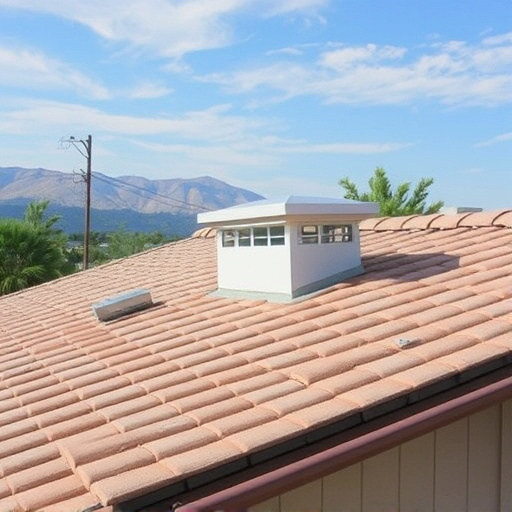
Roof Ventilation Solutions Oro Valley: Unveiling Efficient Climate Control Strategies
Introduction
Welcome to an in-depth exploration of a critical yet often overlooked aspect of building infrastructure: Roof Ventilation Solutions in Oro Valley. This comprehensive article aims to guide readers through the intricate world of roof ventilation, highlighting its significance for both residential and commercial properties in this specific geographical location. By delving into various facets, from technological innovations to regulatory frameworks, we will uncover how effective roof ventilation systems contribute to energy efficiency, indoor air quality, and overall building performance.
Oro Valley, with its unique climate and architectural landscape, presents specific challenges and opportunities for implementing tailored roof ventilation solutions. As the demand for sustainable and comfortable living spaces grows, understanding these strategies becomes essential for homeowners, builders, and urban planners alike. This article promises to be a comprehensive guide, offering insights that can empower informed decisions regarding Oro Valley’s roof ventilation needs.
Understanding Roof Ventilation Solutions in Oro Valley
Definition and Core Components
Roof ventilation solutions refer to the design, installation, and utilization of systems intended to regulate air circulation within a building’s roof space. These systems are designed to balance temperature, humidity, and pressure differentials, thereby optimizing indoor climate control. In simple terms, it involves allowing fresh outdoor air to enter while expelling stale indoor air, creating a constant flow that benefits both energy efficiency and occupant comfort.
The primary components of an effective roof ventilation system include:
- Ventilation Openings: These can be found on the roof or within the attic space and may include vents, fans, or louvers. Their purpose is to allow air exchange between the interior and exterior environments.
- Ductwork: A network of pipes or channels that distribute fresh air throughout the building while directing stale air towards extraction points. Ducts can be made from various materials like metal or fiberglass.
- Ventilators or Fans: These devices facilitate the movement of air, either by pulling (exhaust fans) or pushing (supply fans). They are crucial for ensuring a continuous flow of fresh air.
- Control Mechanisms: Thermostats, humidistats, and other sensors monitor indoor conditions and regulate fan operation accordingly.
- Insulation: Proper insulation around ventilation ducts maintains temperature control and prevents energy loss.
Historical Context and Significance
The concept of roof ventilation has a long history, dating back to ancient civilizations that utilized natural ventilation techniques in their architecture. However, modern roof ventilation systems as we know them today emerged during the industrial revolution when buildings became larger and more complex. The need for improved indoor air quality and energy efficiency prompted engineers and architects to develop sophisticated ventilation strategies.
In Oro Valley, with its arid climate characterized by hot summers and mild winters, efficient roof ventilation has become a critical component of sustainable building design. By managing temperature and humidity levels, these systems help reduce the reliance on mechanical cooling, thereby saving energy costs and minimizing environmental impact. Additionally, proper ventilation is essential for maintaining air quality, preventing mold growth, and ensuring optimal indoor environments for residents and businesses.
Global Impact and Trends
International Influence
Roof ventilation solutions are a global phenomenon, with variations in design and implementation depending on regional climates and architectural traditions. The concept has gained worldwide recognition as a vital element of green building practices, energy conservation, and occupant comfort. According to a 2022 report by Market Research Future (MRFR), the global roof ventilation market is projected to reach USD 4.5 billion by 2027, growing at a CAGR of 6.8% during the forecast period (2020-2027).
Regional Trends
- North America: The United States and Canada have seen a rise in demand for roof ventilation systems due to increasing energy efficiency standards and consumer awareness of sustainable living. Manufacturers are introducing innovative products tailored to the diverse climate zones across these countries.
- Europe: European countries, known for their stringent environmental regulations, have embraced roof ventilation as a key component of passive house design. The region’s focus on renewable energy sources and low-energy buildings has fueled market growth.
- Asia Pacific: Rapid urbanization and the construction boom in countries like China and India have led to increased adoption of advanced ventilation systems. The region’s unique climate challenges, from intense heat to monsoons, drive innovation in roof ventilation technology.
- Middle East: With its arid climates, the Middle East has a growing demand for cooling solutions, making roof ventilation an attractive option for reducing energy consumption and providing comfortable indoor environments.
Economic Considerations
Market Dynamics
The global market for roof ventilation solutions is characterized by intense competition among established players and innovative startups. The market’s growth is driven by rising energy costs, government incentives for green building practices, and increasing consumer awareness of environmental sustainability. According to MRFR’s report, the North American region dominates the market due to its early adoption of advanced ventilation technologies and stringent building codes.
Investment Patterns
Investment in roof ventilation solutions varies based on project scale and location. For residential properties, homeowners often invest in basic ventilation systems as part of new construction or renovation projects. Commercial buildings, on the other hand, may require more sophisticated and customized solutions, driving higher investment costs. Government initiatives and grants aimed at promoting energy-efficient buildings can significantly influence investment patterns.
Economic Impact
Effective roof ventilation offers substantial economic benefits:
- Energy Cost Savings: By reducing reliance on air conditioning, businesses and homeowners can lower their energy bills. A study by the U.S. Department of Energy estimated that proper attic ventilation can save up to 10% on cooling costs.
- Building Value: Properties with efficient roof ventilation systems are often more attractive to buyers, potentially increasing real estate values.
- Reduced Maintenance: Proper ventilation helps extend the lifespan of roofing materials and HVAC (Heating, Ventilation, and Air Conditioning) systems by preventing excessive wear and tear.
Technological Advancements
Innovations in Roof Ventilation
The field of roof ventilation has witnessed significant technological advancements, driven by the need for improved performance, energy efficiency, and customization:
- Smart Ventilation Systems: Integration of IoT (Internet of Things) technology allows users to control and monitor ventilation systems remotely via smartphone apps. These systems can adapt to changing weather conditions and indoor occupancy patterns.
- Solar-Powered Ventilators: Utilizing renewable energy sources, solar-powered ventilators offer off-grid solutions, particularly beneficial for remote locations or buildings with limited access to electricity.
- Variable Speed Fans: Advanced motor technology enables fans to operate at variable speeds based on temperature and humidity variations, optimizing energy efficiency.
- Automated Ventilation Controls: These controls use sensors to automatically adjust ventilation rates according to occupancy, outdoor conditions, and indoor air quality.
- Enhanced Insulation Materials: New insulation materials provide better thermal resistance, ensuring more efficient temperature control within the roof space.
Impact and Future Potential
Technological innovations have led to more sophisticated, energy-efficient, and user-friendly roof ventilation systems. The future holds immense potential for further integration of smart technologies, making these systems even more responsive and adaptable to individual building needs. As research continues, we can expect improvements in:
- Energy Efficiency: Advancements in materials science and fan technology will contribute to reduced energy consumption.
- Customizability: Tailored ventilation solutions for diverse climate zones and architectural styles will become more accessible.
- Integration with Building Management Systems: Roof ventilation systems may seamlessly integrate with smart buildings, optimizing overall energy performance.
Policy and Regulation
Governance of Roof Ventilation Solutions
The implementation of roof ventilation solutions is subject to various local, regional, and national policies and regulations aimed at ensuring building safety, energy efficiency, and environmental sustainability:
- Building Codes: Local building codes dictate minimum requirements for ventilation systems, including specifications for ventilators, ductwork, and control mechanisms.
- Energy Efficiency Standards: Many countries have established standards that mandate specific levels of insulation and ventilation to reduce energy consumption in buildings.
- Environmental Regulations: Regulations related to indoor air quality and greenhouse gas emissions indirectly impact roof ventilation practices by setting targets for improving overall building performance.
Regulatory Frameworks Across Regions
- United States: The U.S. Environmental Protection Agency (EPA) sets standards for HVAC systems, while the International Code Council (ICC) develops model building codes adopted by various states. Individual states may have additional specific requirements.
- Europe: The European Union’s Energy Performance of Buildings Directive (EPBD) requires member states to implement minimum energy performance standards for buildings, including ventilation regulations.
- Canada: Similar to the U.S., Canada has provincial and territorial building codes that govern roof ventilation systems.
- Australia: The National Construction Code (NCC) sets out requirements for ventilation, ensuring compliance with energy efficiency and indoor air quality standards.
Challenges and Criticisms
Overcoming Common Hurdles
Despite its numerous benefits, the implementation of roof ventilation solutions comes with several challenges:
- Initial Installation Costs: High upfront costs can deter homeowners and developers, especially in budget-constrained projects. However, long-term energy savings often offset these initial expenses.
- Regional Climate Variations: Designing effective ventilation systems requires a deep understanding of local climates. Customization for diverse regions can be complex and costly.
- Space Constraints: In urban areas with limited roof space, installing necessary components may be challenging without compromising building aesthetics or structural integrity.
- Maintenance Concerns: Proper maintenance is crucial to ensure the continued effectiveness of ventilation systems. Lack of awareness or negligence can lead to system failure.
Proposed Solutions and Strategies
To address these challenges:
- Incentives and Subsidies: Governments can offer financial incentives, grants, or tax breaks to encourage the adoption of energy-efficient roof ventilation systems.
- Standardized Design and Manufacturing: Developing standardized components and designs tailored to specific climate zones can reduce customization costs and streamline installation.
- Education and Awareness: Increasing awareness among homeowners, builders, and contractors about the benefits and proper maintenance of roof ventilation systems is essential.
- Integration with Smart Cities Initiatives: Aligning roof ventilation solutions with smart city goals can lead to more efficient urban planning and resource management.
Case Studies: Successful Applications
Example 1: Eco-Friendly Residential Development, Tucson, Arizona
In the arid climate of Tucson, a luxury residential development embraced roof ventilation as a key component of its sustainable design. The developers partnered with local experts to create a custom ventilation system that utilized natural desert breezes during the cooler months, reducing the reliance on air conditioning. The system included:
- Gable Ventilators: Custom-designed ventilators integrated into the building’s gables, allowing for optimal airflow without compromising aesthetics.
- Ducted System: A network of ducts distributed fresh air throughout the homes while expelling stale air via attic vents.
- Smart Thermostats: Occupants could control indoor temperatures remotely, ensuring energy efficiency even during peak summer months.
Outcome: The development achieved a 30% reduction in energy consumption for cooling compared to similar nearby properties. Homeowners reported improved indoor air quality and significant savings on their energy bills. This project demonstrates how tailored roof ventilation solutions can enhance both comfort and sustainability in challenging climates.
Example 2: Commercial Office Building, Toronto, Canada
A high-rise commercial office building in downtown Toronto implemented a state-of-the-art roof ventilation system to address the city’s cold winters and hot summers. The solution included:
- Variable Speed Fans: High-efficiency fans with variable speed drives allowed for precise temperature control, minimizing energy use during milder weather conditions.
- Solar-Powered Extractors: Strategically placed solar-powered roof extractors supplemented the main ventilation system during sunny days, further reducing energy consumption.
- Automated Control System: A building management system monitored and controlled ventilation based on real-time indoor and outdoor conditions, ensuring optimal performance.
Impact: The new ventilation system resulted in a 25% reduction in HVAC energy costs and a 15% decrease in greenhouse gas emissions compared to the previous system. The building’s occupants enjoyed improved air quality and comfort throughout the year. This case highlights the significant environmental and economic benefits of advanced roof ventilation technologies in diverse climates.
Future Prospects
Emerging Trends and Growth Areas
The future of roof ventilation solutions looks promising, with several emerging trends shaping the industry:
- Integration with Smart Buildings: As buildings become increasingly connected, roof ventilation systems will play a pivotal role in achieving overall energy efficiency and occupant comfort.
- Data-Driven Design: Advanced analytics and machine learning algorithms can optimize ventilation design based on historical weather data and building occupancy patterns.
- Renewable Energy Integration: With the growing adoption of renewable energy sources, solar-powered roof ventilators and fans will gain popularity, offering off-grid solutions for remote areas.
- Enhanced Air Quality Control: Advanced filtration systems and smart sensors will improve indoor air quality, making ventilation systems more versatile.
Strategic Considerations
To capitalize on these future prospects, industry players and policymakers should:
- Invest in research and development to create innovative, energy-efficient ventilation technologies.
- Encourage collaboration between architects, engineers, and building owners to develop tailored solutions for specific projects.
- Implement policies that incentivize the adoption of advanced roof ventilation systems, particularly in new construction projects.
- Foster public awareness campaigns highlighting the long-term benefits of proper ventilation for health and energy savings.
Conclusion: Shaping a Sustainable Future
Roof ventilation solutions are not just mechanical systems; they are integral to creating comfortable, energy-efficient, and sustainable buildings in diverse climates. Oro Valley, with its unique challenges and opportunities, stands to benefit significantly from the implementation of advanced roof ventilation technologies. By addressing initial installation costs, regional climate variations, and maintenance concerns, homeowners, builders, and policymakers can unlock the full potential of these systems.
The global trend towards energy efficiency, coupled with technological advancements and supportive regulatory frameworks, underscores the importance of roof ventilation in the modern world. As we look ahead, the future of Oro Valley’s roof ventilation solutions appears promising, with opportunities for growth, innovation, and environmental stewardship. This article aims to empower readers with knowledge, enabling them to make informed decisions that contribute to a more sustainable built environment.
FAQ Section
Q: Are roof ventilation systems necessary for all types of buildings?
A: While roof ventilation is beneficial for most buildings, its necessity depends on factors like climate, building design, and occupancy patterns. In regions with extreme temperatures or high humidity, these systems are often indispensable for maintaining indoor comfort and energy efficiency.
Q: How do I know if my home needs a roof ventilation system?
A: Signs that your home may benefit from roof ventilation include excessive summer heat, poor air quality, high energy bills for cooling, and noticeable temperature differences between floors or rooms. Consulting with a professional can provide tailored advice.
Q: Can roof ventilation systems be installed during renovation projects?
A: Absolutely! Ventilation systems can often be integrated into renovation plans, especially when new construction or significant modifications are involved. It’s best to consult with experts who can assess the project and recommend suitable solutions.
Q: Are there any government incentives available for installing roof ventilation in Oro Valley?
A: Yes, local governments and utility companies may offer incentives, grants, or tax breaks for energy-efficient building upgrades, including roof ventilation systems. Stay informed about local programs to take advantage of these benefits.
Q: How do I maintain a roof ventilation system to ensure its longevity?
A: Regular cleaning of vents and ducts, inspection for damage or blockages, and ensuring proper insulation in the attic are key maintenance practices. Following manufacturer guidelines and scheduling professional inspections can help keep your system running efficiently.
Oro Valley's unique climate demands tailored roof ventilation solutions. Companies specialize in improving air circulation, mitigating extreme temps, and reducing structural risks. Regular maintenance, inspections, and eco-friendly options enhance comfort, energy efficiency, and roof longevity. Local regulations guide compliance for safe, efficient attic spaces. Proper ventilation prevents damage, lowers bills, and promotes sustainability.
Oro Valley residents understand the unique challenges of maintaining a comfortable home in a desert climate. This is where expert roof vent maintenance comes into play, offering vital solutions for optimal indoor air quality and energy efficiency. This comprehensive guide explores Oro Valley’s specific roof ventilation needs, from identifying common problems to the latest technology trends. Discover green solutions, local regulations, and cost-effective tips, ensuring your home stays cool, safe, and comfortable all year round with the best roof venting system for your needs.
Understanding Oro Valley's Roof Ventilation Needs
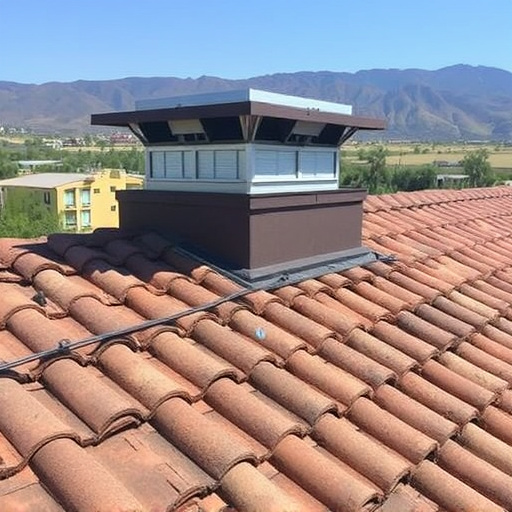
Oro Valley, with its unique climate and environmental conditions, presents specific challenges for proper roof ventilation. Understanding these needs is key to ensuring optimal building performance and comfort for residents. The region’s hot summers and occasional heavy rainfall demand efficient roof ventilation solutions Oro Valley to maintain a balanced indoor environment. Adequate air circulation helps regulate temperatures, prevents moisture buildup, and reduces the risk of structural damage caused by excessive humidity.
Roof fan installation companies in Oro Valley play a crucial role in addressing these concerns. They offer tailored rooftop air circulation improvements by installing high-performance vents and fans that cater to the area’s specific requirements. Whether it’s enhancing existing ventilation systems or undertaking new roof vent installation near me, professionals ensure that homes and buildings are equipped with efficient solutions for year-round comfort and longevity.
Benefits of Proper Roof Vent Maintenance
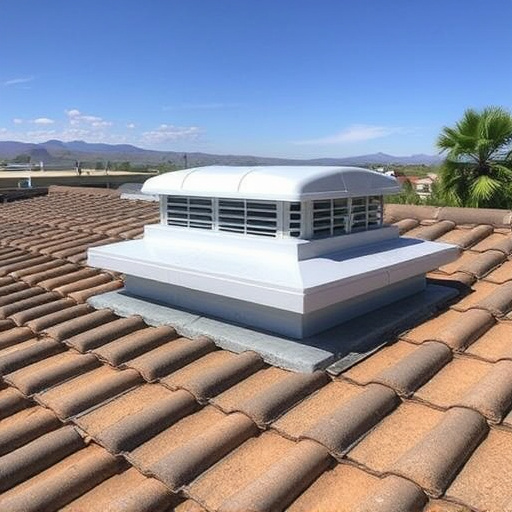
Proper roof vent maintenance offers numerous benefits for homeowners in Oro Valley, especially when incorporating eco-friendly roof ventilation solutions. By ensuring optimal airflow through the attic and roof space, these energy-saving roofing technologies can significantly reduce the workload on HVAC systems, leading to lower energy bills and improved comfort levels within the home. This is particularly crucial in the hot, arid climate of Oro Valley, where effective ventilation helps mitigate extreme temperatures, extending the lifespan of your roof and preventing premature deterioration.
Regular maintenance of roof fan systems in Oro Valley can also contribute to a more sustainable and environmentally conscious approach. Modern eco-friendly roof ventilation solutions not only enhance energy efficiency but also minimize noise pollution, ensuring a quieter living environment. Additionally, these innovative roofing technologies can help reduce the carbon footprint of your home, aligning with growing local and global efforts to promote sustainability and mitigate climate change impacts.
Identifying Common Roof Vent Problems
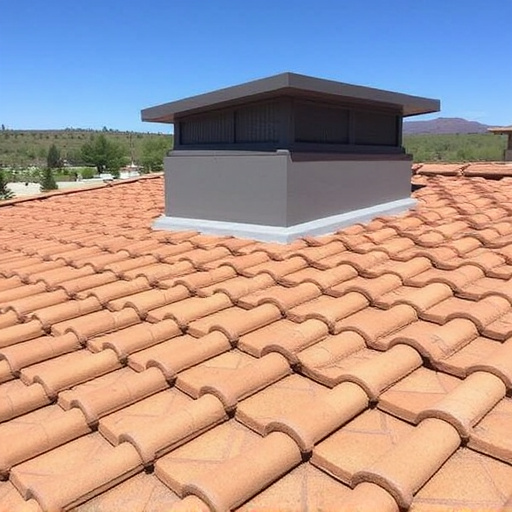
Roof ventilations systems play a crucial role in maintaining optimal indoor temperatures and air quality in Oro Valley homes and businesses. However, like any component of your roof, they can develop issues over time. Common problems include blockages from debris, damaged or missing vents, and improper installation leading to inadequate airflow. Ventilated roof systems experts in Oro Valley often encounter issues with solar-assisted roof ventilation, particularly in our desert climate where intense sunlight can cause excessive heat build-up. Recognizing these potential problems early is key. Regular inspections by a professional roof fan installation company can identify blockages or worn components before they cause more severe damage or lead to costly energy losses.
Expert Inspection: Uncovering Hidden Issues
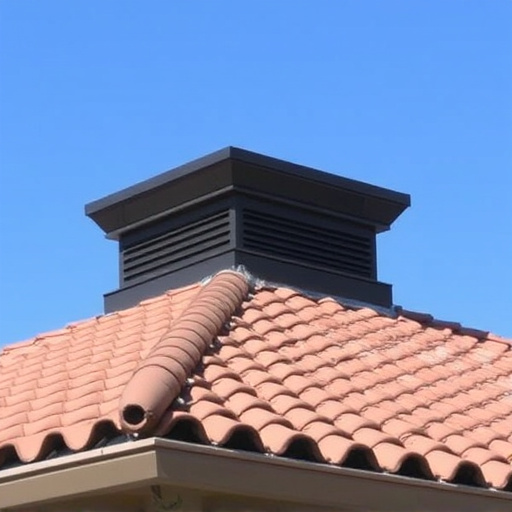
A thorough inspection by expert roof ventilators in Oro Valley is a powerful tool to uncover potential issues that may be hidden from plain sight. These professionals are trained to delve beyond the surface, using advanced techniques and tools to assess every aspect of your roofing system, especially its ventilation. Many times, problems like blocked vents, inadequate air circulation, or damaged flashing can go unnoticed, leading to costly repairs down the line.
By employing roofing contractors offering ventilation systems and energy-saving roofing technologies, Oro Valley residents can benefit from enhanced roof vent maintenance. This proactive approach ensures that your home remains comfortable year-round while also prolonging the lifespan of your roofing materials that promote air flow. Expert inspection services are a wise investment, as they enable homeowners to address problems early, preventing minor issues from escalating into major, costly repairs.
Vent Replacement: When and Why It's Necessary
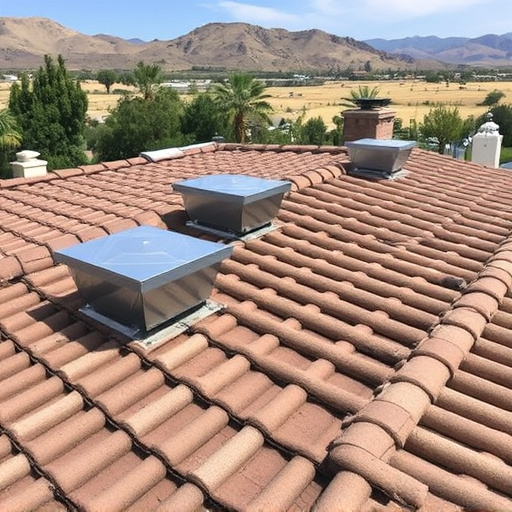
Roof Ventilation Solutions Oro Valley are essential for maintaining a comfortable and energy-efficient home. One of the primary reasons to consider vent replacement is the deterioration of existing vents over time. As vents age, they can become damaged, blocked, or less effective at regulating indoor temperatures, leading to increased energy costs and potential damage to your roof structure.
Ventilated roof systems experts in Oro Valley recommend regular inspections to identify any issues. Replacement vents are often necessary when the current system fails to provide adequate air flow, causing hotspots and excessive wear on the roofing materials. Eco-conscious roof cooling solutions like ventilated panels for rooftops offer a range of benefits, including improved indoor air quality, reduced carbon footprint, and longer lifespan for your roof.
Green Solutions for Energy-Efficient Ventilation
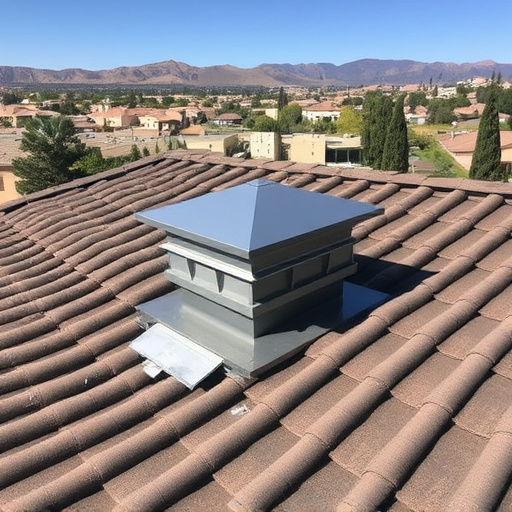
In Oro Valley, green solutions for roof ventilation are gaining popularity as homeowners and businesses seek energy-efficient ways to maintain comfortable indoor environments. Traditional roofing ventilators often rely on power, contributing to higher energy consumption. However, advanced ventilated facade systems oroval offer a sustainable alternative by seamlessly integrating natural air circulation into the building design. These systems maximize cross-ventilation, reducing the need for mechanical cooling and lowering energy bills significantly.
By adopting energy-efficient roofing ventilators arizona, Oro Valley residents can enjoy improved indoor air quality without compromising on sustainability. This approach not only reduces carbon footprint but also extends the lifespan of roofs by preventing excessive heat buildup. With the right attic ventilation maintenance oro valley strategies, homeowners can ensure optimal performance of these green solutions, leading to long-term savings and a more eco-friendly living space.
The Role of Technology in Modern Roof Venting
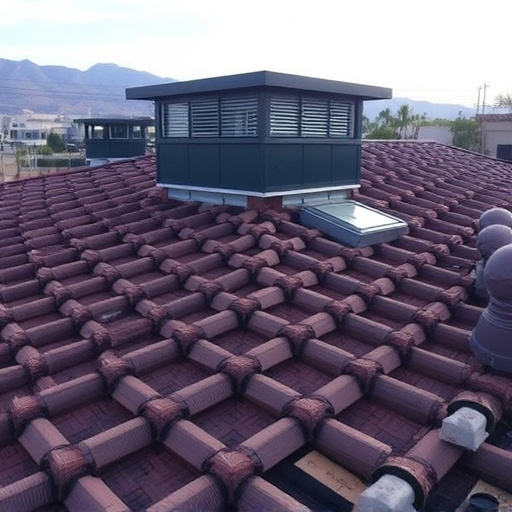
In today’s digital era, technology plays a pivotal role in enhancing Roof Ventilation Solutions Oro Valley. Advanced tools and software enable experts to offer more efficient and targeted roof vent cleaning services Arizona, ensuring optimal airflow for both residential and commercial properties. Automated systems can detect even the slightest issues, allowing for prompt maintenance before problems escalate.
For instance, roof fan installation companies Oro Valley now utilize high-tech equipment to install commercial roof ventilation options that are quieter, energy-efficient, and customizable. These innovations not only improve indoor air quality but also contribute to reduced energy costs. By leveraging technology, professionals provide cutting-edge roof vent cleaning service Arizona, setting new standards in the industry.
Local Regulations: Compliance for Safe Ventilation
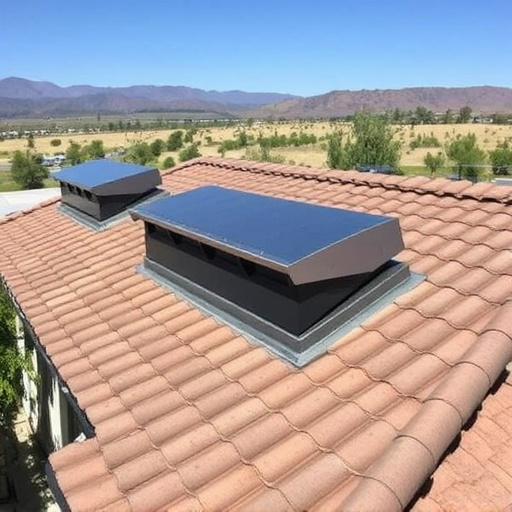
In Oro Valley, local regulations strictly govern roof ventilation to ensure safe and efficient attic spaces. Homeowners and contractors must adhere to these guidelines when implementing roof ventilation solutions to prevent potential hazards and maintain optimal indoor environments. The city’s building codes typically mandate specific requirements for breathable roof materials and energy-efficient attic ventilation to regulate temperature, humidity, and air quality within homes.
Compliance with these regulations is crucial for several reasons, including preventing structural damage caused by excessive heat and moisture buildup. Proper roof ventilation also extends the lifespan of roofing materials, ensuring that flat roofs or otherwise, receive the best ventilation for a comfortable and healthy living space. By prioritizing these standards, Oro Valley residents can benefit from enhanced indoor air quality, reduced energy costs, and well-maintained homes.
Cost-Effective Maintenance Tips for Homeowners
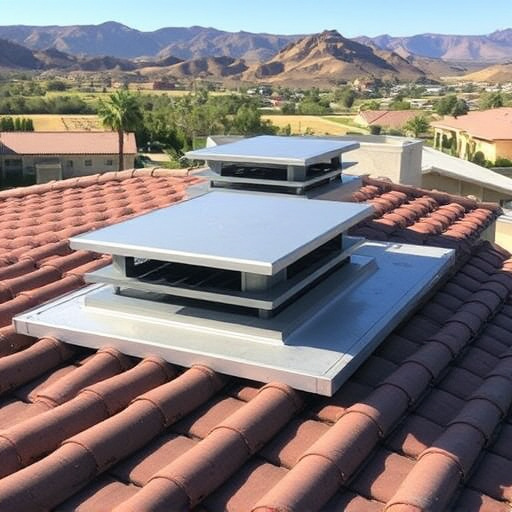
Maintaining your home’s roof isn’t just about aesthetics; it involves smart, cost-effective strategies for optimal performance. In Oro Valley, where roof ventilation solutions are key to a comfortable and energy-efficient home, homeowners can save on costly repairs and future replacements by adopting some simple practices. One of the most effective ways to ensure your roof stays healthy is by regularly inspecting and cleaning vents, ensuring they’re free from debris like leaves and dust. This easy task not only enhances ventilation but also prevents blockages that could lead to costly damage.
Moreover, considering sustainable roof ventilation options like solar-powered roof fans in Oro Valley can be a game-changer for both your wallet and the environment. These eco-friendly alternatives offer long-term savings on energy bills while promoting a greener lifestyle. By investing in efficient ventilated panels for rooftops, homeowners can also improve their home’s air quality and extend the lifespan of their roofing systems, making them wise choices for any budget-conscious homeowner.
Expert Advice: Choosing the Right Ventilation System
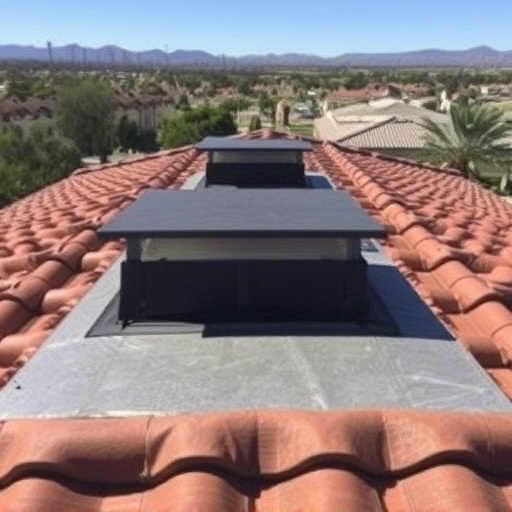
When it comes to Oro Valley roof ventilation solutions, selecting the appropriate system is a crucial step in maintaining a comfortable and energy-efficient home. Experts recommend considering both functional and environmental factors. One key aspect is understanding your region’s climate; for areas with hot summers and mild winters like Oro Valley, an effective ventilation system should prioritize cooling while minimizing heat gain.
Choosing between different types of roof ventilation systems depends on specific needs. For example, ridge vents allow air to flow smoothly through the attic, providing uniform cooling. Alternatively, powered or exhaust fans can be installed for targeted ventilation, especially in areas with blocked or limited access. Additionally, opting for breathable tiles for roofs can enhance overall airflow while ensuring your home stays protected from elements. Aiming for energy-efficient attic ventilation in Oro Valley will not only benefit your pocket but also contribute to a greener environment.
Oro Valley residents now have access to expert knowledge and comprehensive roof ventilation solutions. By understanding the unique needs of their region, implementing proper maintenance routines, and staying informed about emerging technologies, homeowners can ensure optimal roof vent performance. Regular inspections, prompt issue resolution, and eco-friendly options contribute to energy efficiency while adhering to local regulations. With these guidelines, Oro Valley folks can enjoy well-ventilated homes, safeguarding against potential damage and enhancing indoor comfort for years to come.